Finishes on Traditional Metals is the Modulux service for architects, interior designers, and metal fabricators who work with real metal fabrication and need finish control that is consistent, repeatable, and aligned to specification. Traditional metals carry natural depth, but without a controlled finishing process they can become unpredictable in tone, sheen, and aging behavior. Modulux refines these surfaces through structured finishing steps that shape the metal into a calm architectural presence.
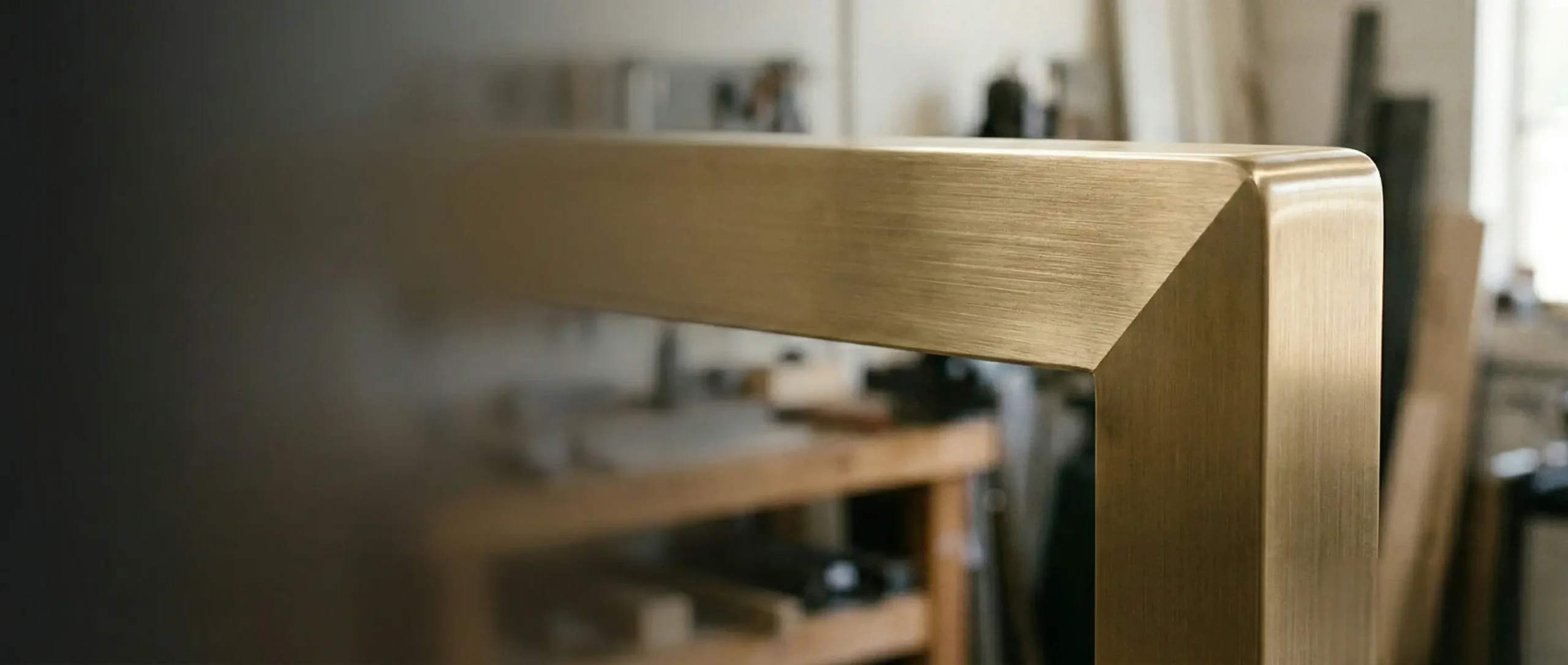
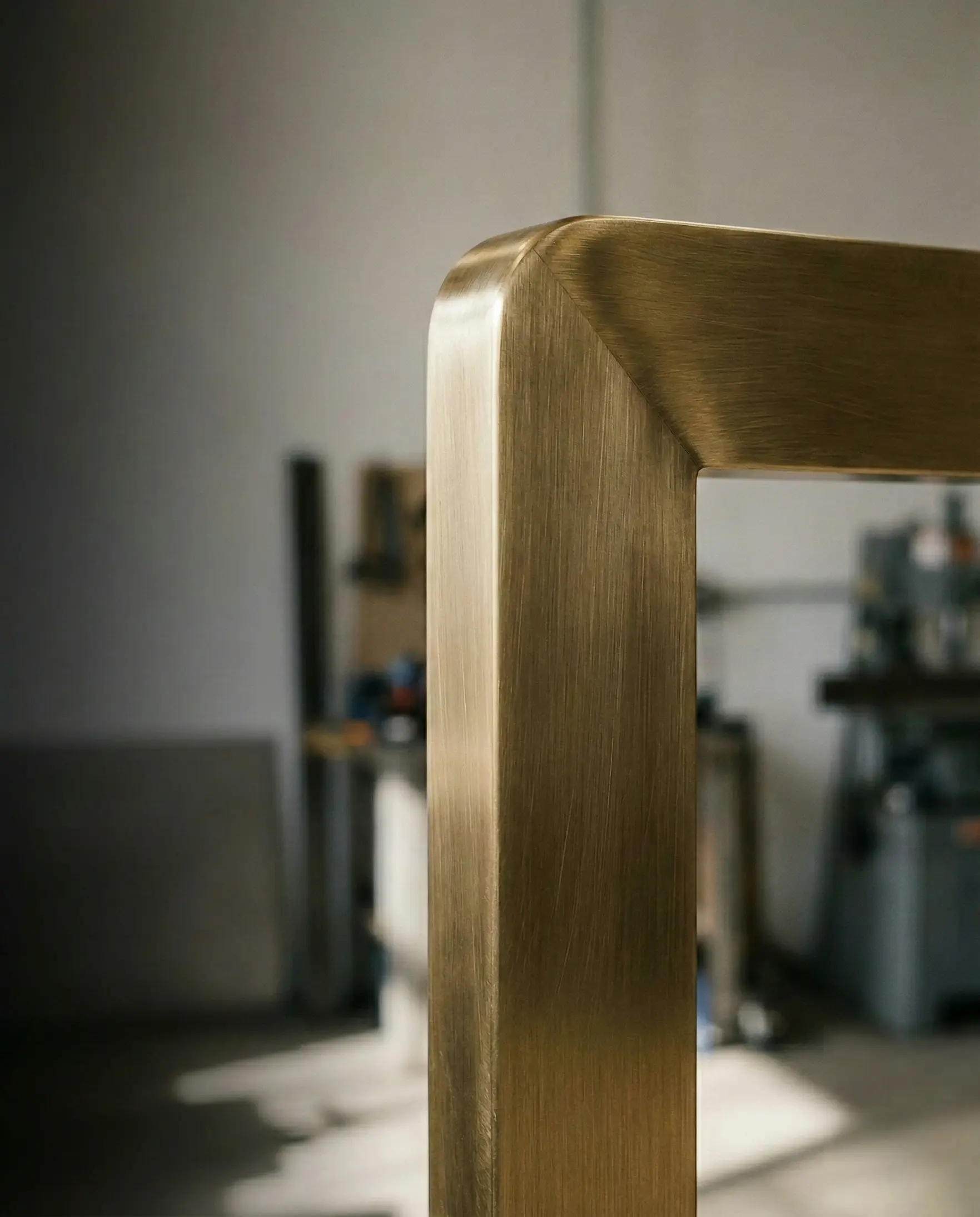
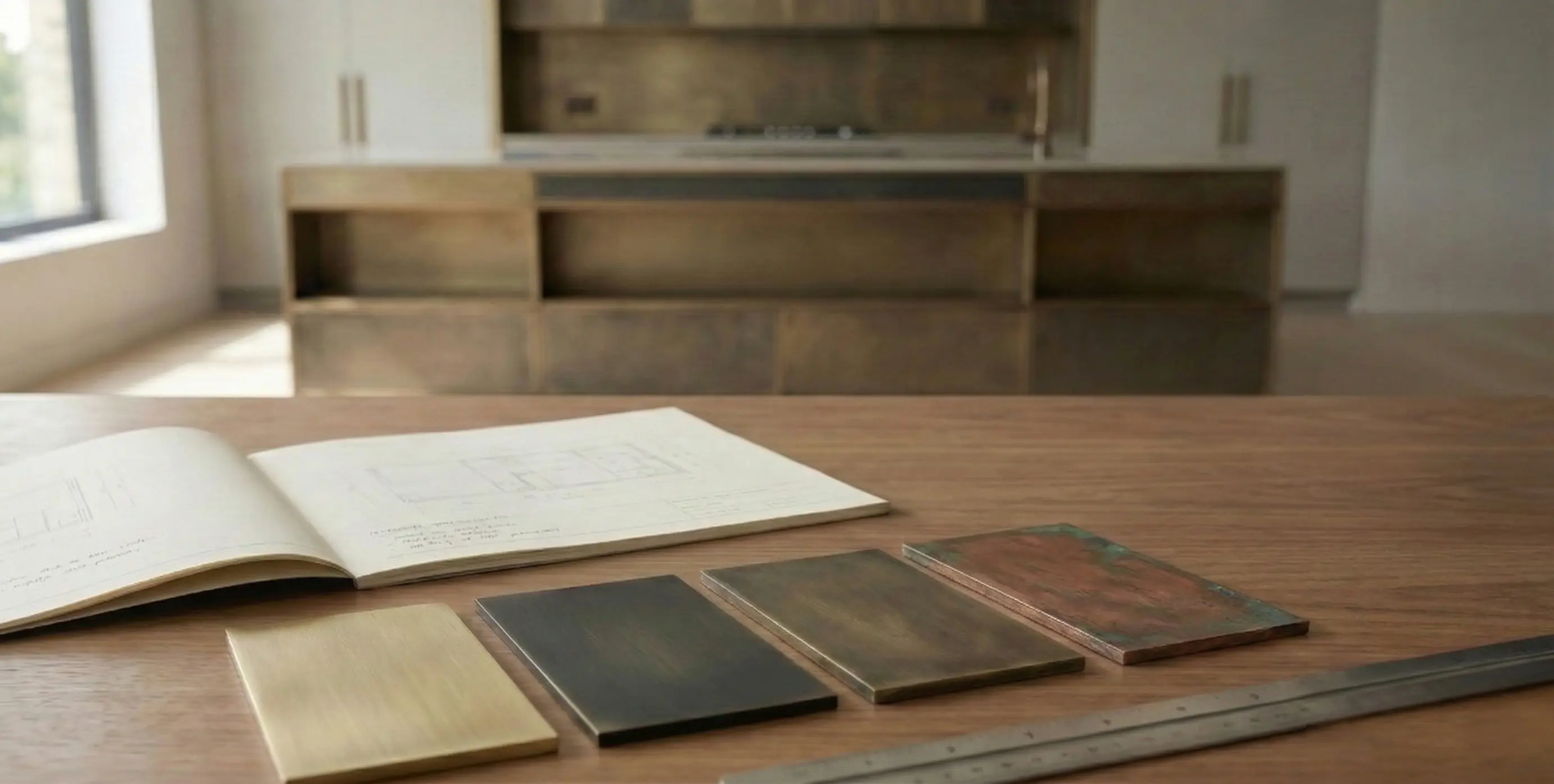
This service focuses on the finish itself as a design tool. Brushing can guide reflectivity and soften light. Polishing can introduce clarity where the design needs a sharper highlight. Darkening and blackened effects can quiet the metal and deepen contrast. Patina work can add layered tonality and a sense of time, while still being developed to a reference sample so results remain repeatable across multiple parts and batches.
Finishes on Traditional Metals is used for doors, portals, wall cladding, cabinetry elements, metal furniture, trims, handrails, and feature components where real metal is already the substrate. It is also valuable for projects that need metal finish matching, refurbishment of existing metal elements, or consistency across different metal suppliers. With a sample led workflow and protective topcoats chosen for the environment, the final finish is designed to belong in the space and remain serviceable in daily use.
Traditional metal fabrication delivers authenticity, but the final appearance is often decided by finishing. Without a defined process, two pieces made from the same metal can read differently under the same light. Grain direction may vary. Weld areas may show inconsistent tonality. Oxidation can progress unevenly. For architects and interior designers, this can make it difficult to specify a consistent metal language across an interior or across a multi phase project.
Modulux addresses this with a structured metal finishing workflow, developed around approved samples and controlled steps. Brushed metal finishes are refined for direction and consistency. Polished surfaces are balanced so they remain architectural rather than overly reflective. Darkened and blackened finishes are tuned for depth and restraint. Patina finishes are developed as layered tonal systems, not as random effects, allowing the team to reproduce the same character across multiple parts.
This service is frequently used when the metal is already real, but the project needs the finish to become predictable, repeatable, and aligned to design intent. It supports architectural specification, finish matching, and coordinated delivery across fabricators, joinery, and site installation.
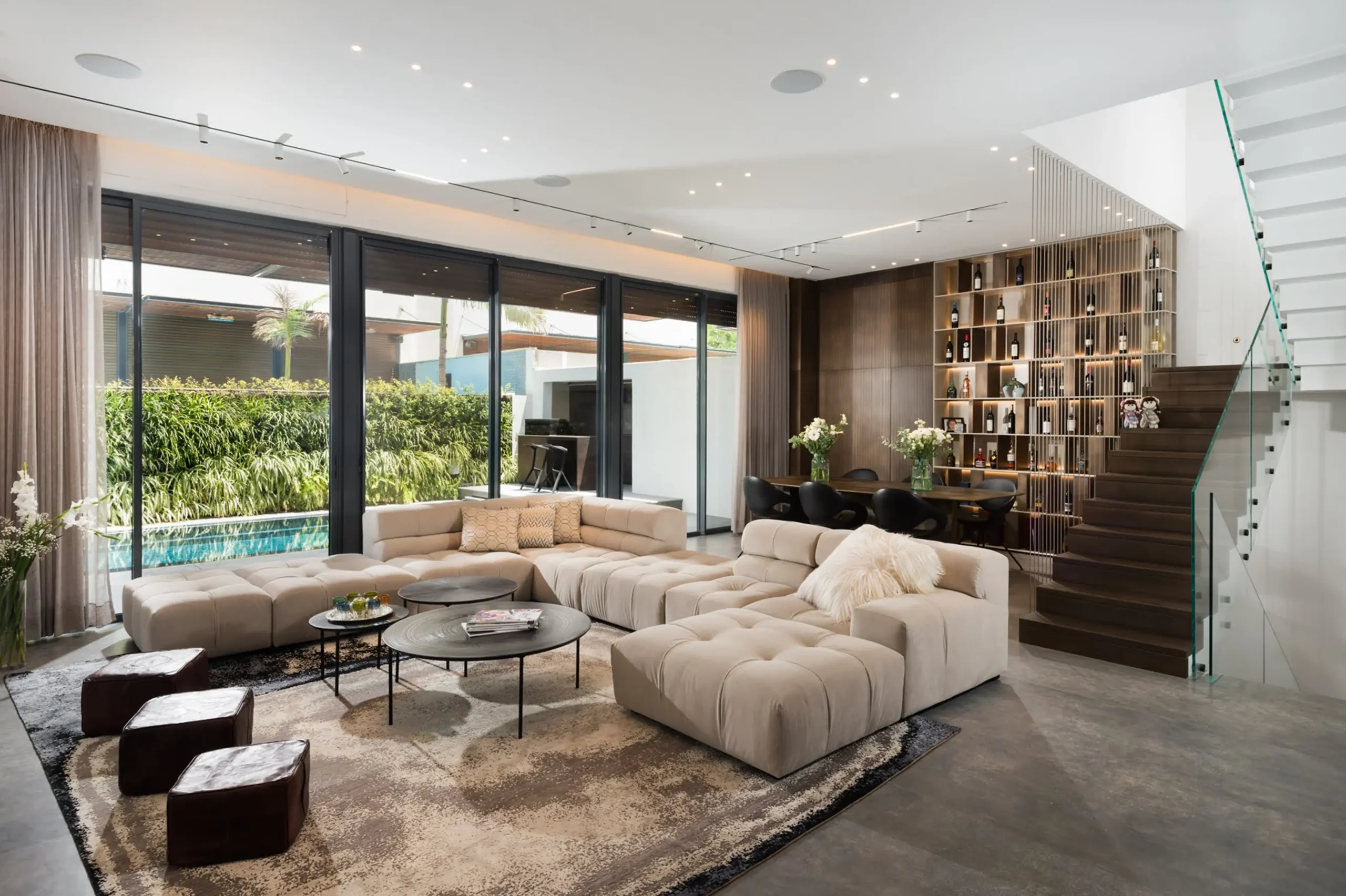
Creating an impressive and luxurious first impression that defines the hospitality experience.
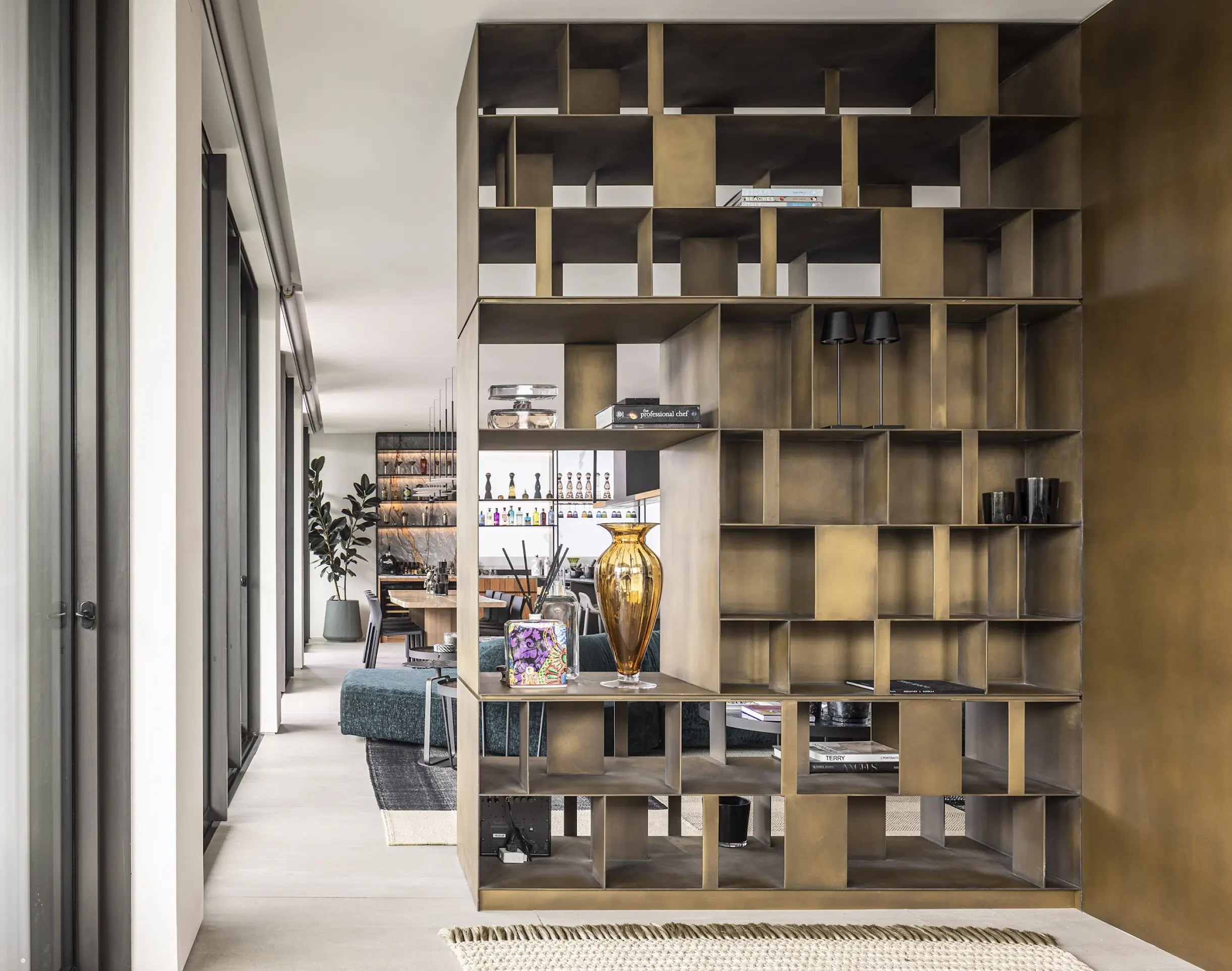
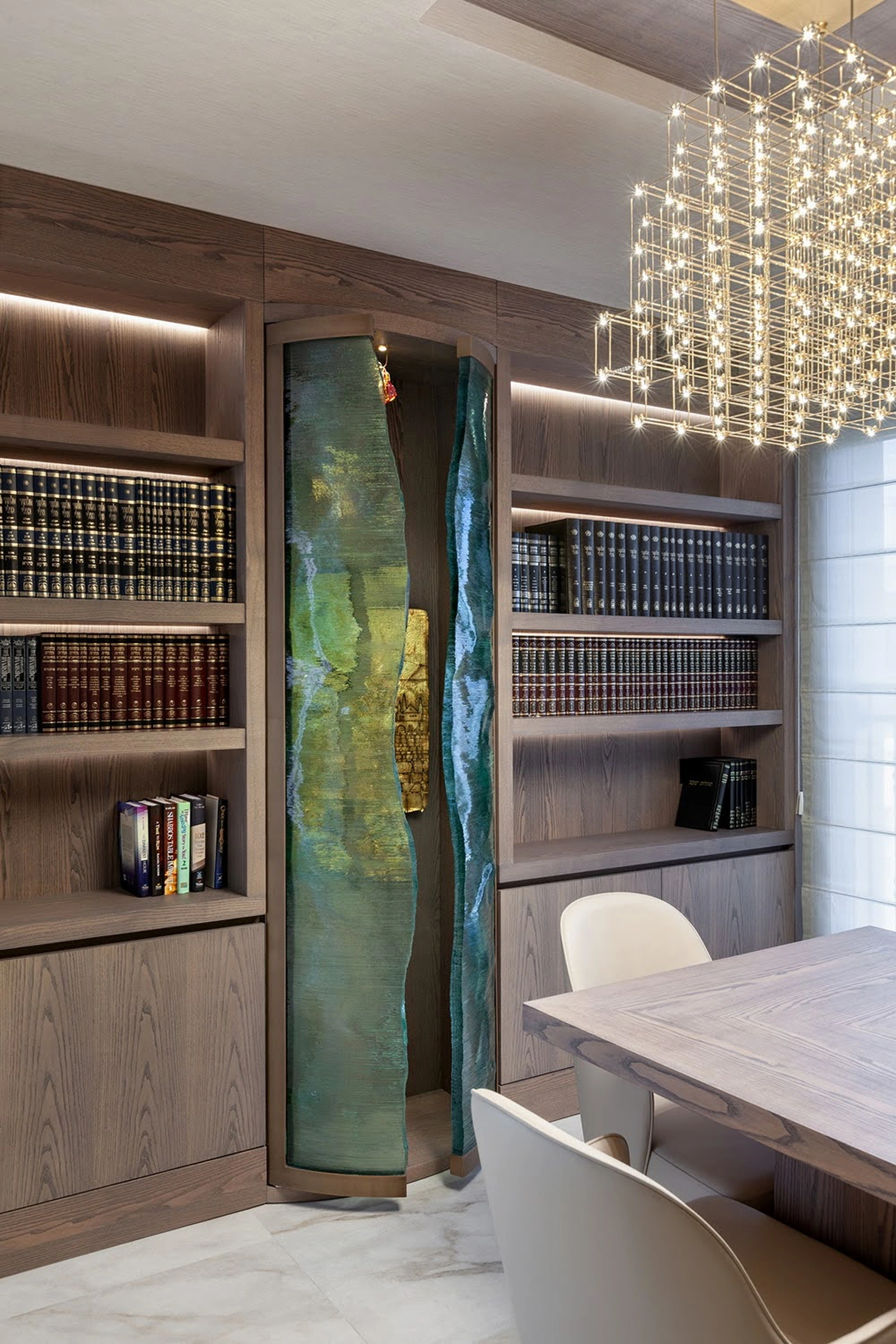
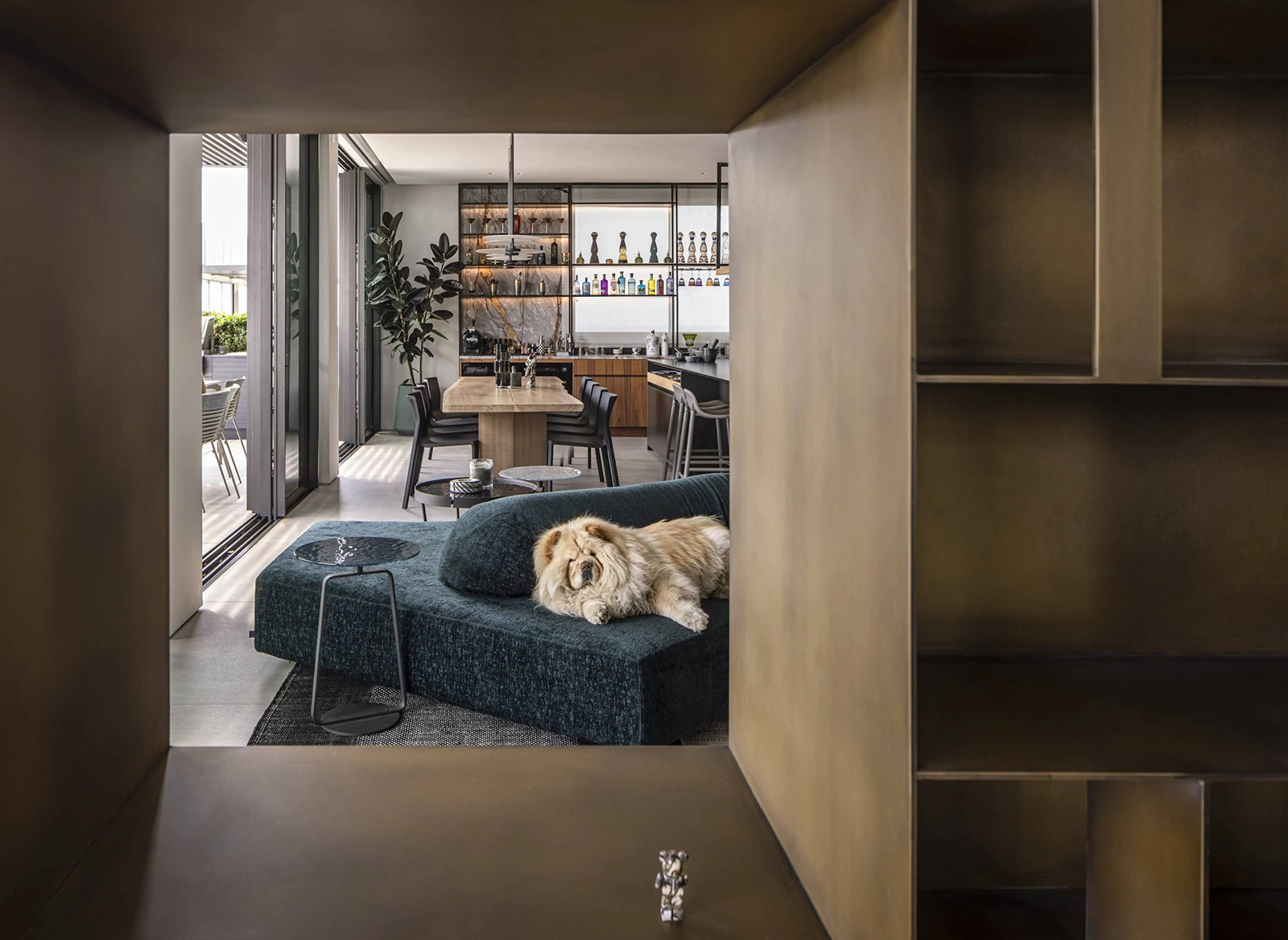
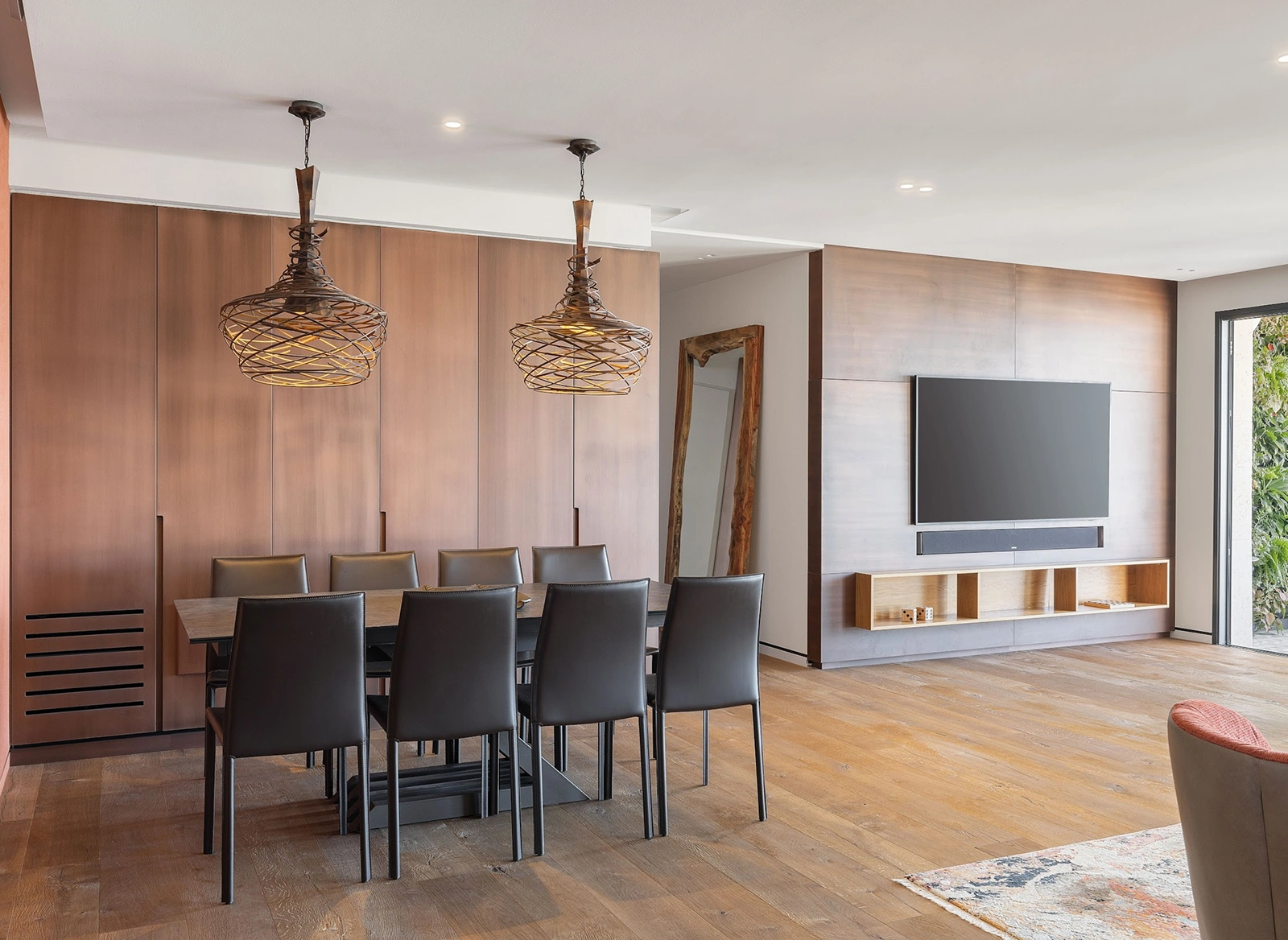
Finishes on Traditional Metals is chosen when the project relies on solid metal fabrication and the surface needs to be carefully composed. In premium residential interiors, hospitality spaces, and retail environments, the metal finish often becomes a key note in the palette. A portal finish can set the tone for a corridor. A brass cladding detail can shape the perceived warmth of a space. A blackened steel element can anchor a composition and reduce visual noise.
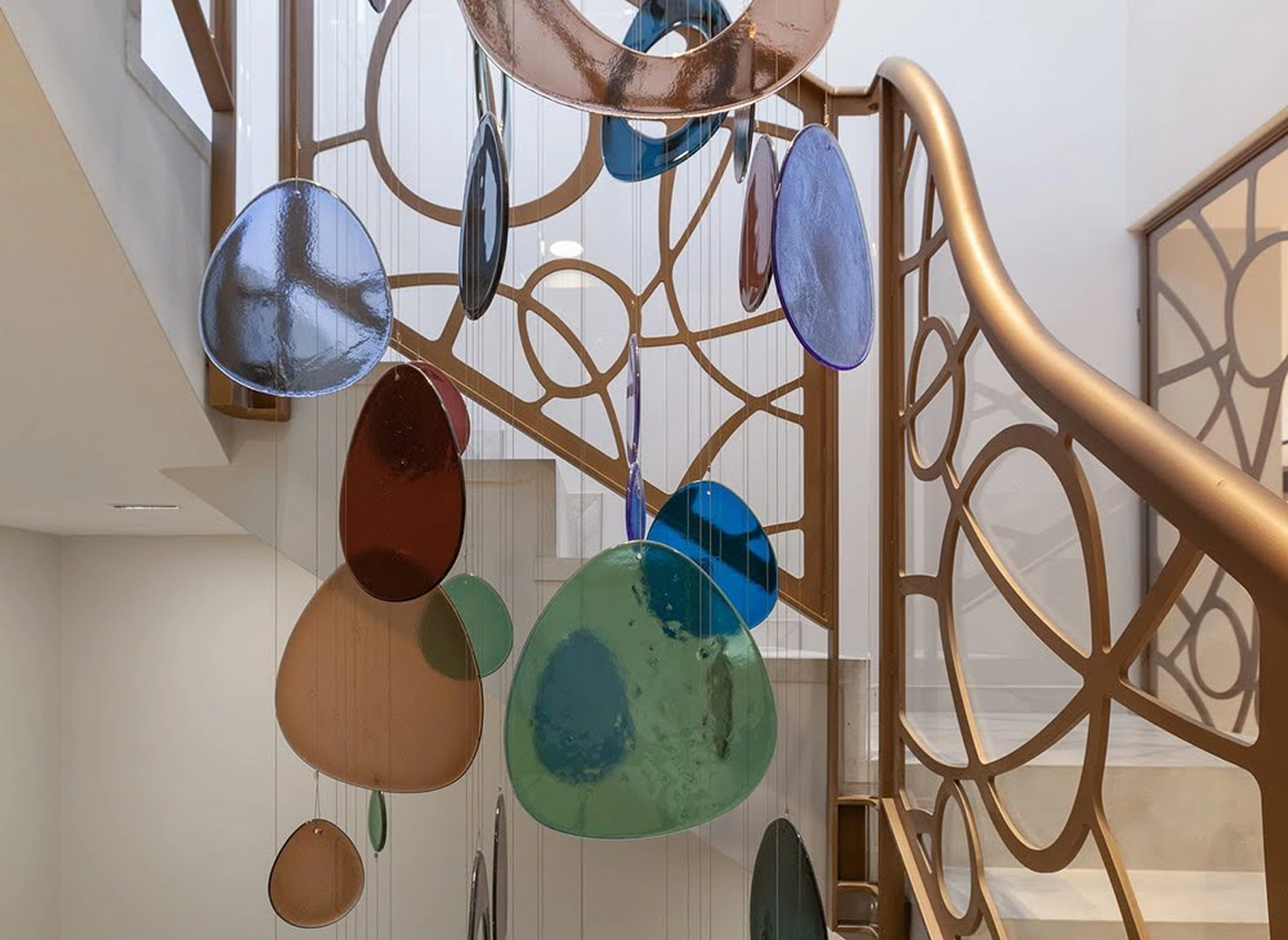
This service also supports finish continuity across multiple items. A set of doors can match adjacent trims. Metal panels can align with furniture details. Handrails and hardware can be brought into the same tonal direction. Where existing metal elements must be integrated into a new scheme, Modulux can develop a matching finish direction based on physical references, then refine and seal the surfaces for consistency and service life.
Because finishing is sensitive to light, Modulux treats it as a dialogue between metal, geometry, and environment. Samples and reference panels help confirm sheen and tone before production. Protective topcoats are selected to suit the conditions, supporting stability and practical maintenance for architectural use.
Finishing is where metal becomes legible. The same brass can feel warm and quiet, or bright and sharp, depending on brushing direction and sheen. The same steel can read heavy and grounded, or clean and minimal, depending on darkening and surface conditioning. Modulux approaches metal finishing as a design discipline, guided by reference samples and a controlled process that protects the intent of the architecture.
The workflow combines surface preparation, finishing technique, and protective sealing. Brushing and polishing define texture and reflectivity. Patina work introduces layered tonality when the project calls for depth and time. Darkening and blackened effects add restraint and contrast. Topcoats are selected to suit the environment, supporting stability and serviceability for daily use, from high touch doors to wall cladding and custom furniture.
This service is particularly valuable for projects with multiple fabricators or phased delivery. By anchoring the finish to approved reference panels, Modulux helps maintain continuity across batches, across parts, and across installation moments, so the metal remains calm, coherent, and intentional in the space.
Modulux aligns metal finishing to approved samples, improving consistency across multiple pieces, profiles, and assemblies. This supports architectural specification where doors, trims, panels, and furniture details must read as one coherent metal finish.
Brushed metal finishes and polished refinements are developed to control light response. The result is a surface that reads architectural under grazing light and remains stable in appearance across different lighting conditions.
Patina finishes are developed as layered systems, not as uncontrolled effects. Reference panels guide tone and depth so copper and bronze patinas can be reproduced across batches, supporting coordinated delivery and finish matching.
For projects that need a quieter metal note, Modulux provides darkened and blackened effects that add depth and contrast. These finishes are suited for portals, trims, and details where restraint is part of the design language.
Finishing is paired with sealing systems selected for the environment, supporting serviceability in daily use. The workflow can include low VOC options where applicable, and controlled practices support waste minimization through efficient finishing and reduced rework.
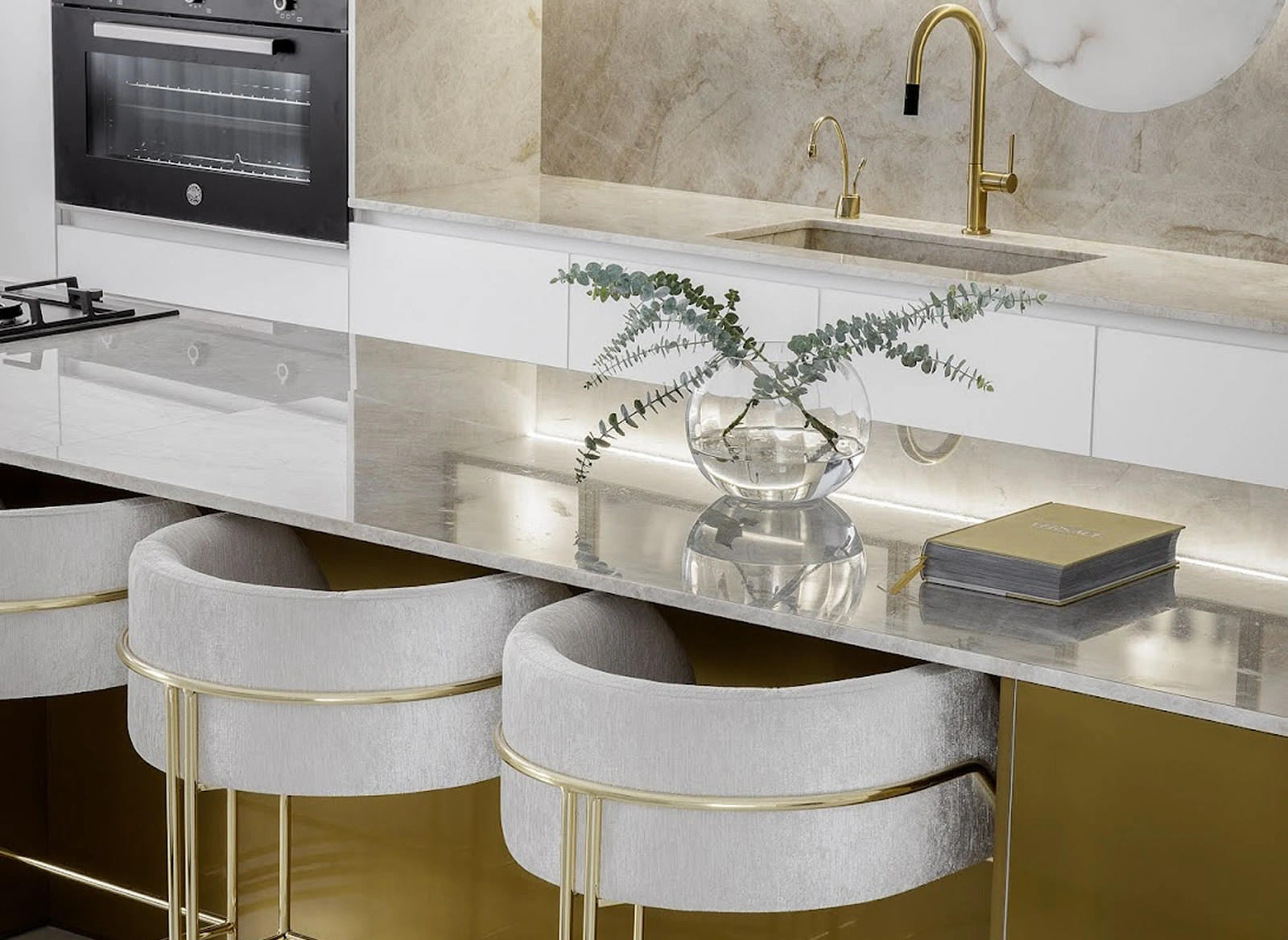
Traditional metals offer an expansive finish palette, but the value comes from control. Modulux develops finishes that sit naturally in architectural interiors, with clarity of tone and predictable sheen. Brushed brass and bronze finishes are often chosen for their quiet texture and warm presence. Satin refinement reduces glare and keeps large surfaces calm. Polished accents are used selectively to bring precision to edges, hardware, and focal details without overwhelming the space.
For deeper character, patina finishes bring layered tonality to copper and bronze surfaces, developed through sample led processes so variation remains controlled. Darkened and blackened effects on steel and other metals offer a grounded presence that pairs well with timber, stone, and matte materials. Across all directions, the finish is designed to remain coherent across batches and parts, so the project reads as one continuous material story.
This service supports designers who need finish matching, coordination across multiple fabricators, and a practical approach to sealing and maintenance. The aim is not only a beautiful finish at installation, but a finish that stays stable, serviceable, and aligned to the architecture over time.
This service is developed for traditional architectural metals such as brass, bronze, copper, steel, stainless steel, and other project specific alloys. Modulux can also support finish matching to existing metals through reference samples and control panels.
Modulux provides brushing, polishing, patina development, darkening, and surface conditioning, paired with protective topcoats selected for the environment. The combination is designed to stabilize tone and sheen while supporting practical cleaning and maintenance in architectural settings.
Modulux supports specification workflows with finish samples, reference panels, and documentation for tender packages and coordination. Share the project environment, metal type, finish intent, and maintenance expectations, and the team will advise on the best finishing and sealing approach.
Request a finish sample or share your substrate and geometry, and we will confirm the best route for interior or exterior use. We can also help align Smoked Patina Brass with adjacent materials so the metal reads coherent under your project lighting.
WhatsApp us