Blackened Zinc is a quiet, atmospheric metal tone designed for projects that want depth without gloss. It reads as zinc that has moved through time, settling into a charcoal field with cool blue green undertones and soft clouding rather than a strict grain, with a measured satin sheen. Developed around real metal materiality, the finish is refined through controlled surface preparation and hand finishing until the tonality aligns with an approved reference. Depending on the substrate and performance brief, the same look can be achieved through different Modulux processes, allowing the finish to wrap edges, follow curved forms, or sit cleanly across large panels. In interiors, Blackened Zinc brings a calm contrast to timber, stone, and warm textiles on cabinet fronts, wall panels, shelving surrounds, and feature elements that are viewed at close range. In architectural applications, it scales into portals, soffits, column cladding, and facade accents where the metal should support the geometry and carry light with restraint. For guidance on selecting the right build, consult Modulux Services, and explore News for deeper looks at our finishing workflows and sample led development.
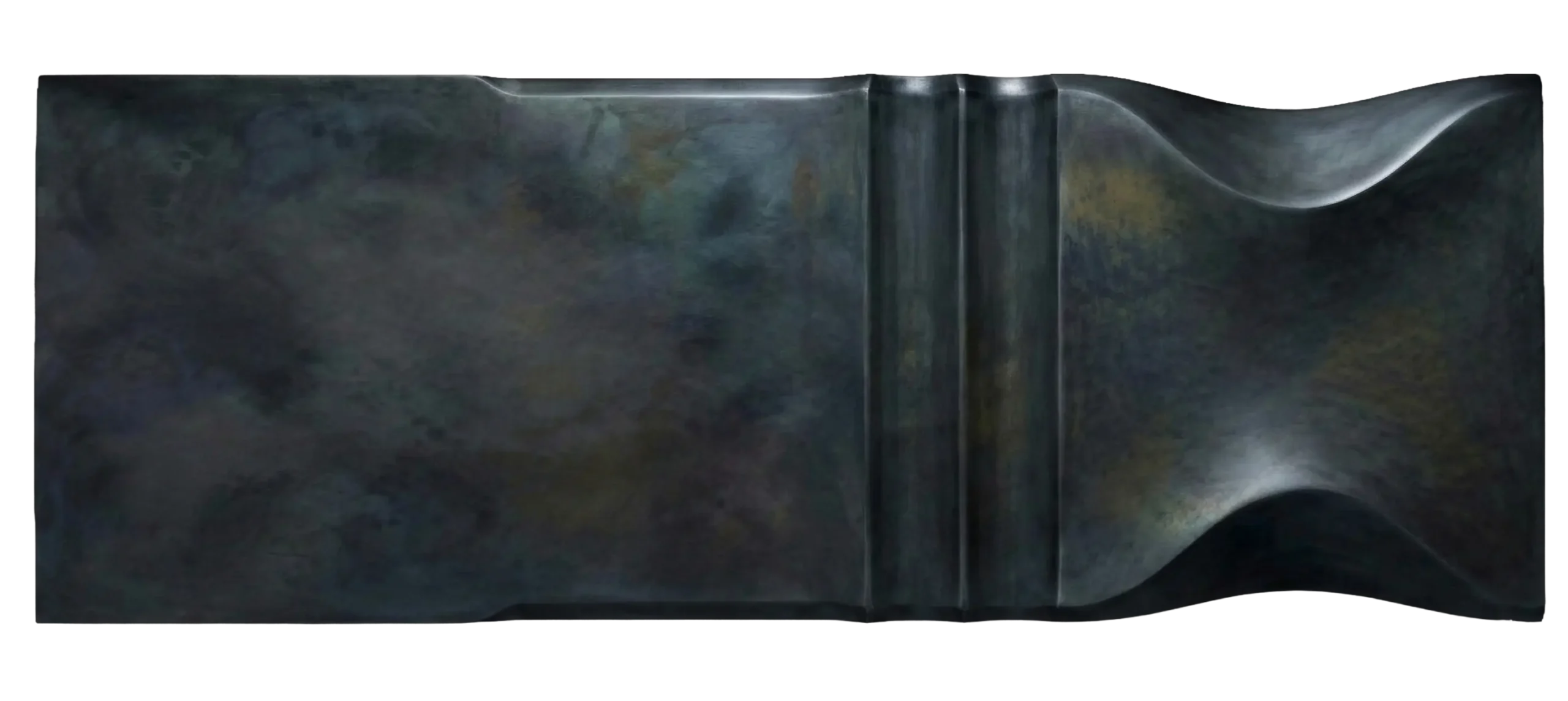
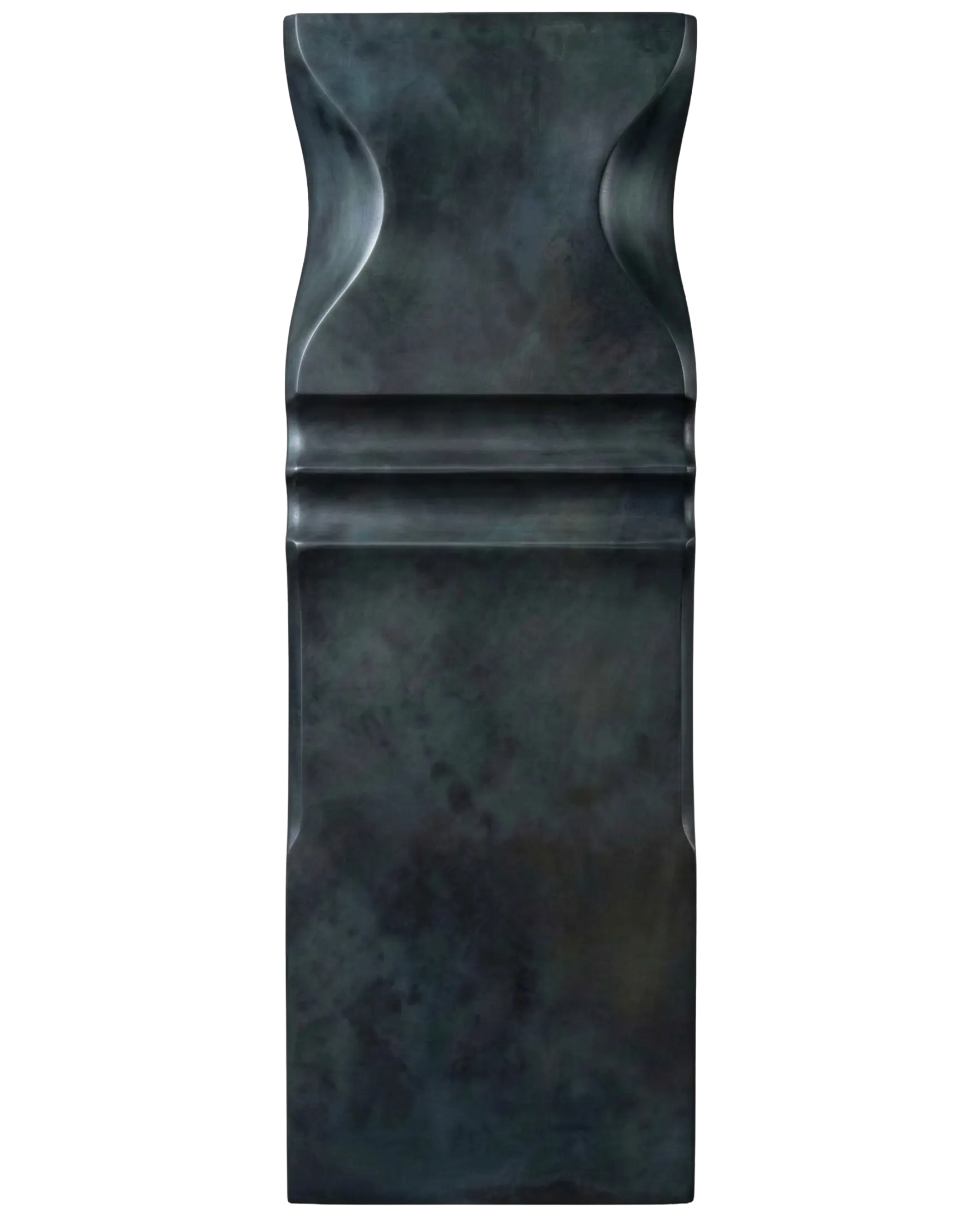
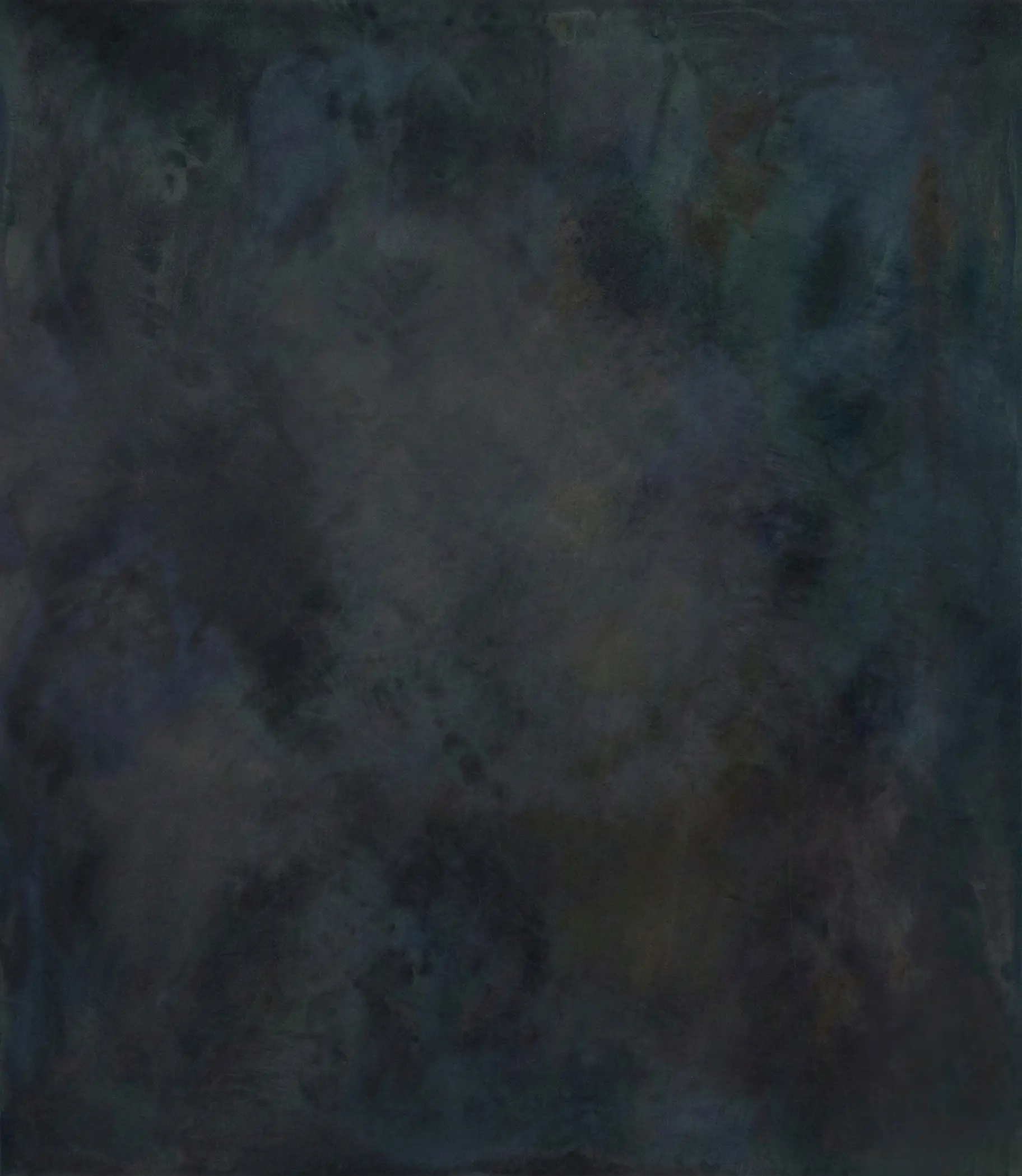
In interiors, Blackened Zinc offers a grounded metal note that pairs well with pale oak, travertine, concrete, and matte lacquer. It is often specified for kitchen and wardrobe cabinetry fronts, integrated appliance panels, vanity faces, shelving trims, bar and back bar panels, reception desk cladding, fireplace surrounds, display plinths, and door reveals where the finish sits close to the hand and eye. The subtle clouding helps soften large planes and keeps reflections controlled, so the metal feels present without becoming a mirror.
In architecture, the finish can extend into portal frames, elevator lobby wall cladding, column wraps, soffit linings, stair enclosure panels, balustrade infill plates, canopy undersides, facade accent panels, window surrounds, and signage backplates where a dark metal tone needs to remain composed under changing daylight. The same Blackened Zinc visual can be produced through different Modulux technologies, which helps designers specify one finish language across MDF, composites, stone, and metal fabrications, including flat panels, sharp edges, and curved forms. As with any patina like surface, a reference sample should guide placement and sheen so adjacent materials read intentional.
Blackened Zinc should be sealed with a clear protective topcoat selected for the project. For routine care, remove dust with a clean microfiber cloth. For fingerprints or light soiling, use mild soap and water on a soft cloth, then rinse with clean water and dry thoroughly. Cleaning should be gentle and consistent, especially on darker tones where residue can show as haze under angled light. Promptly wipe standing water or condensation to reduce spotting on the sealed surface.
Avoid abrasive pads, scouring powders, metal polishes, and aggressive cleaners, including products with bleach, strong solvents, or acidic and alkaline agents. Do not use citrus based degreasers or glass cleaners on the finish unless approved for the selected topcoat. In high touch areas such as pulls, door edges, and reception fronts, occasional wiping with a barely damp microfiber followed by drying helps keep the sheen even. If the surface becomes scratched or dulled, stop cleaning with stronger products and contact Modulux to review the topcoat and recommend a controlled refinishing or touch up approach aligned to the original sample.
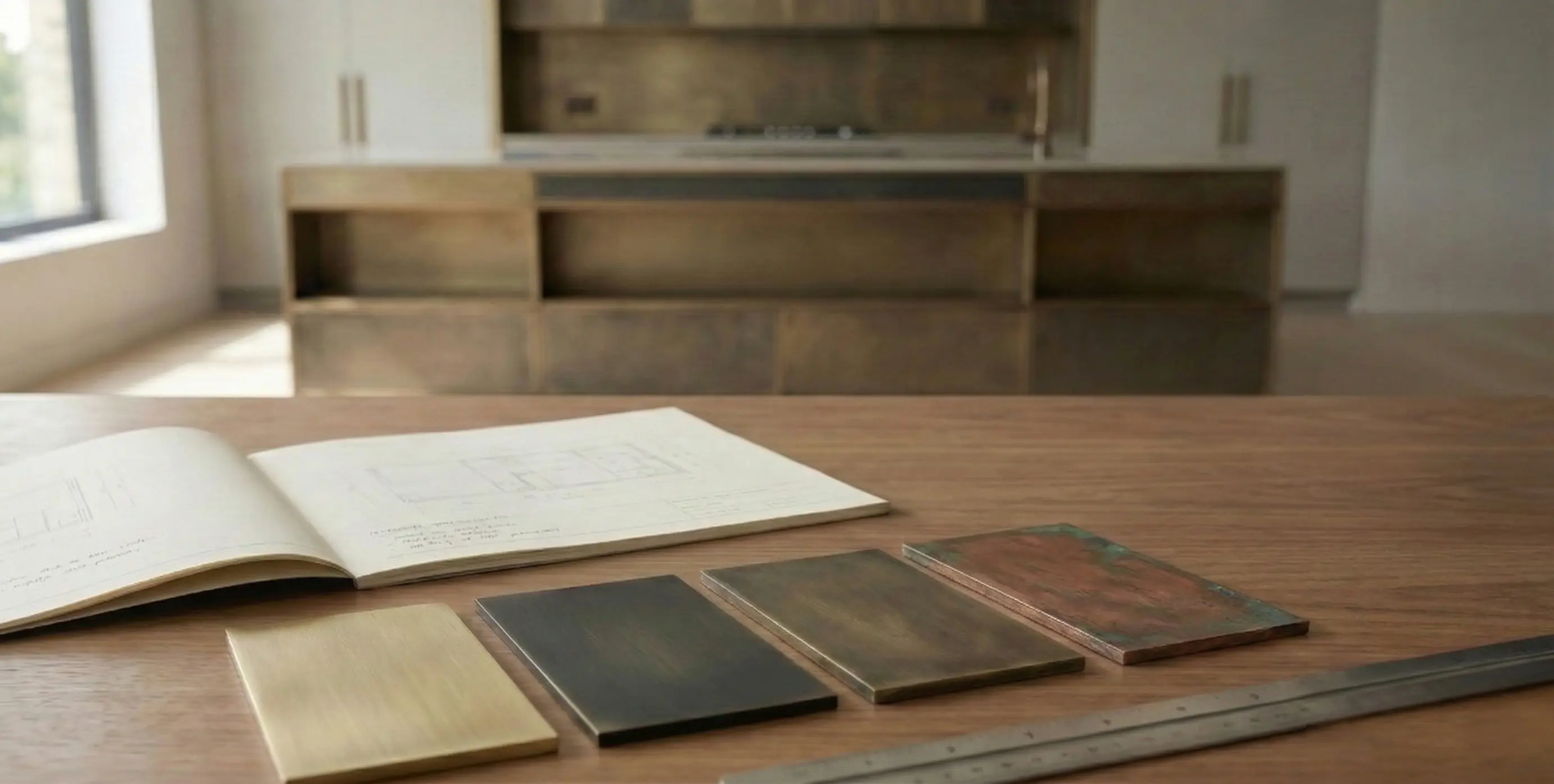
Request a reference sample, share your substrate and geometry, and we will confirm the best approach for interior or exterior use. We can also help align Blackened Zinc with adjacent timber, stone, and hardware so the finish reads consistent across the project.
WhatsApp us