Entrance Doors in Metal

Entrance Doors in Metal

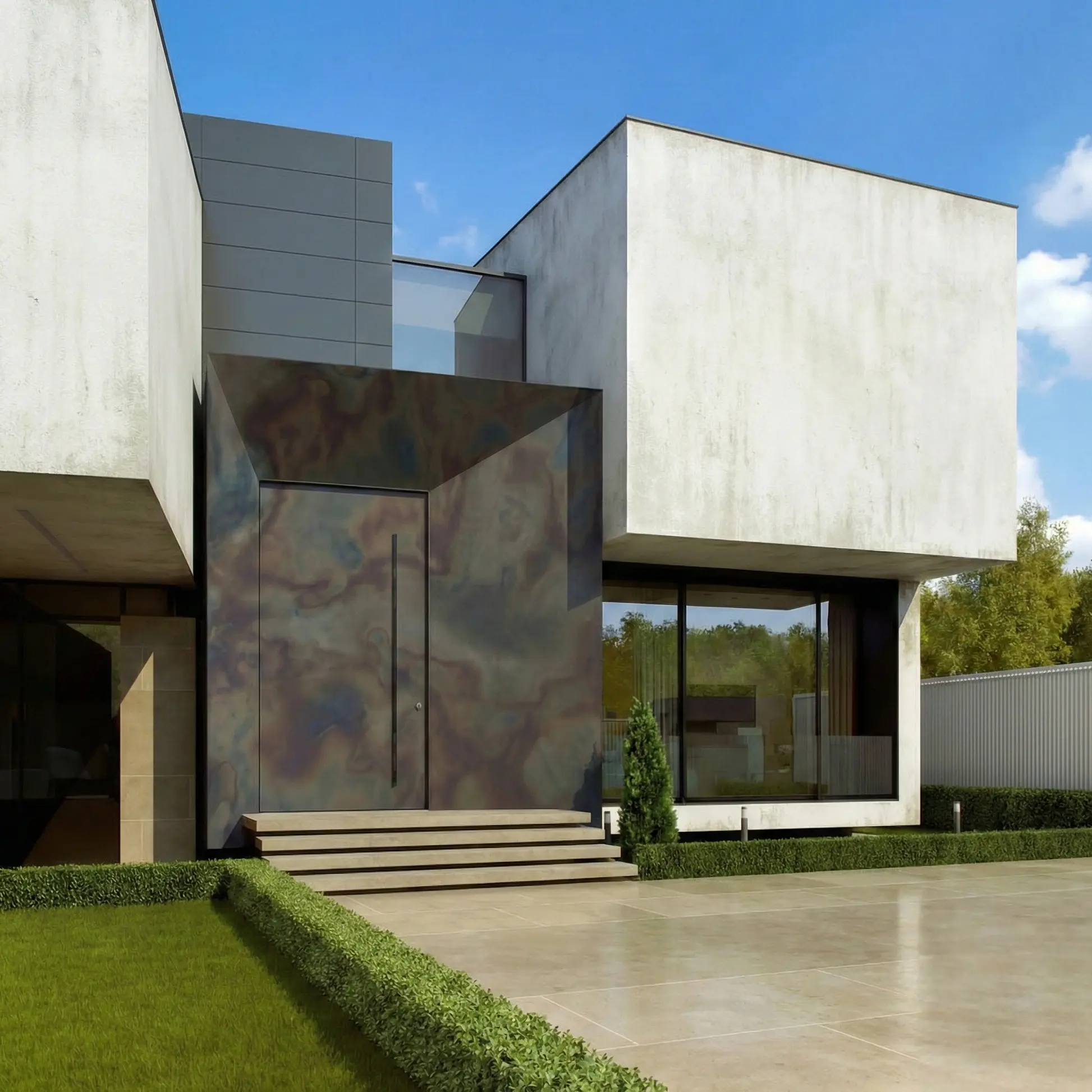
An entrance door is the first surface you touch and the first plane you read. It frames the approach, anchors the elevation, and sets the material language before the interior begins. When metal is specified here, it must feel intentional in daylight and remain composed at hand level, where texture and sheen are experienced up close.
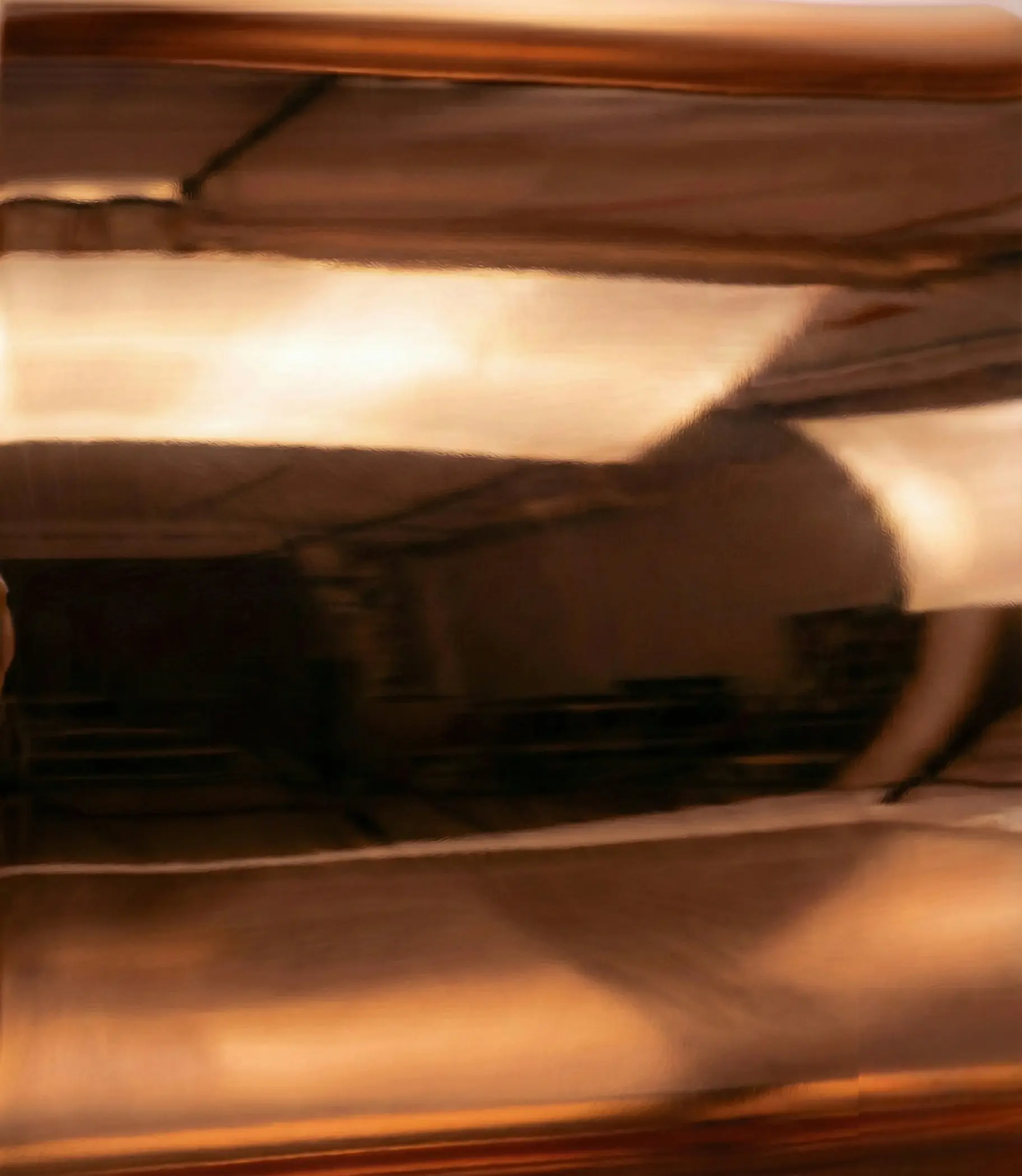
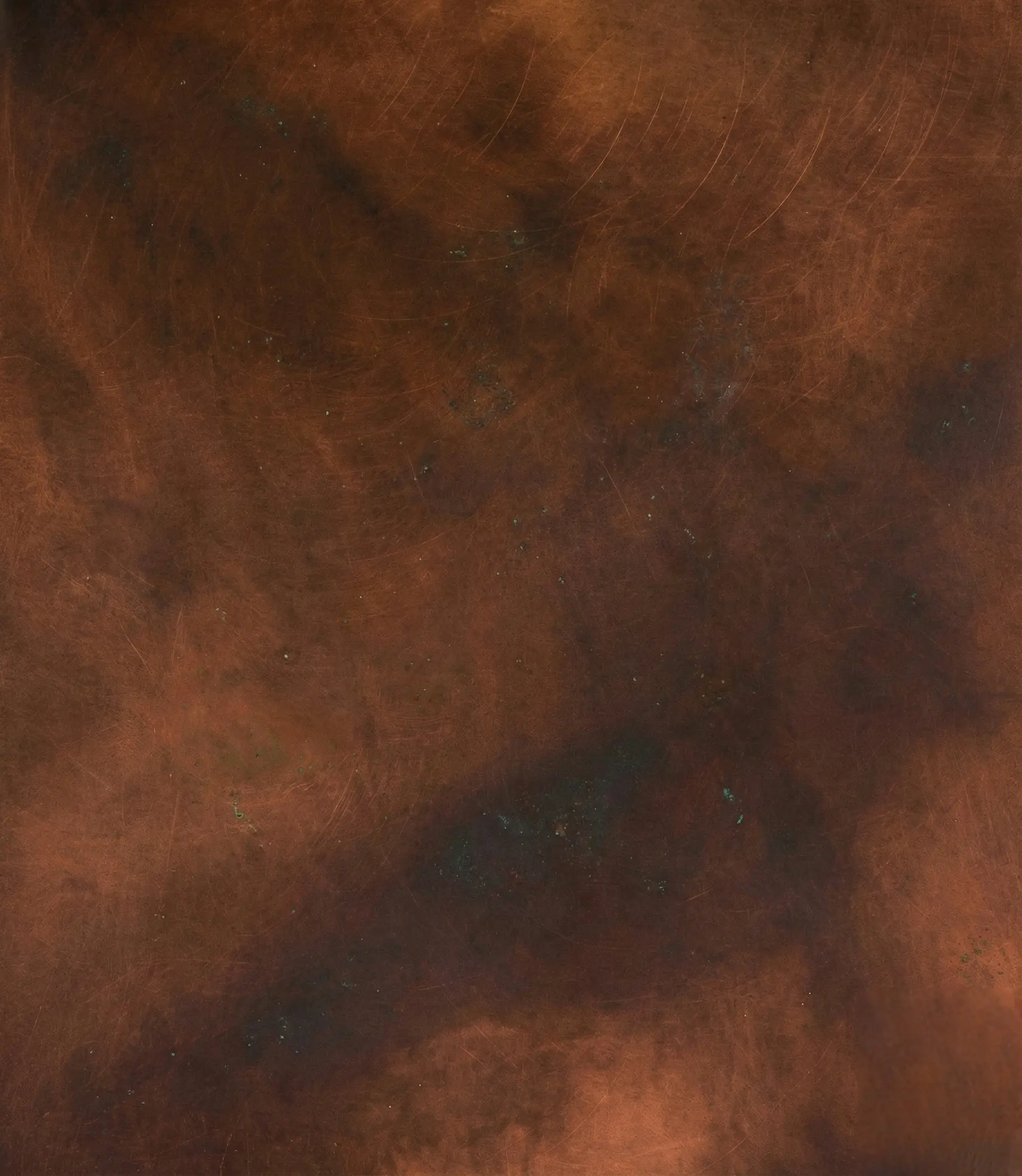
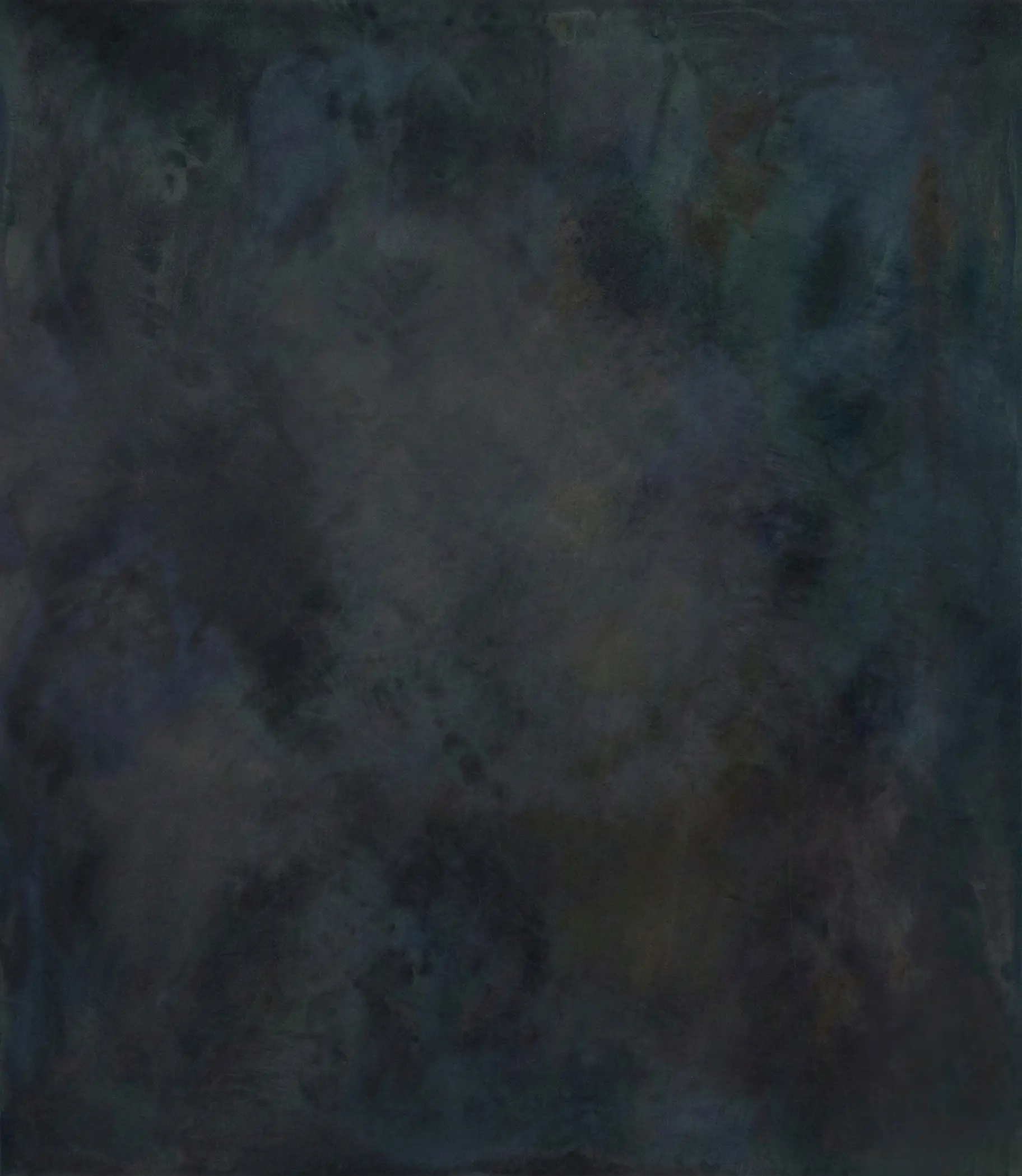
Traditional sheet metal often forces compromises. Weight affects hinges and subframes, seams disrupt continuity, corrosion risk grows at edges, and complex geometry raises fabrication and install complexity. Modulux addresses this with four coordinated paths: MetaliQ Liquid Metal Coatings for seamless metal on prepared substrates, TruMetal Arc Wire Coatings for a performance oriented real metal layer, Finishes on Traditional Metals for direct work on solid brass, bronze, copper, steel, and LuxCoat Wet Coatings for controlled paint systems when the project needs color and repeatable sheen discipline.

A Specifiable Metal Threshold

A door finish is not a single surface decision. It is a system decision across leaf, frame, reveals, pulls, and adjacent trims. The goal for specifiers is finish consistency, so the same architectural metal finishes read coherent from elevation to handle height, even when substrates change. Sampling discipline, surface preparation, and sealing strategy align the finish to light, geometry, and maintenance reality, so the result stays calm at installation and serviceable over time.

Design Advantages

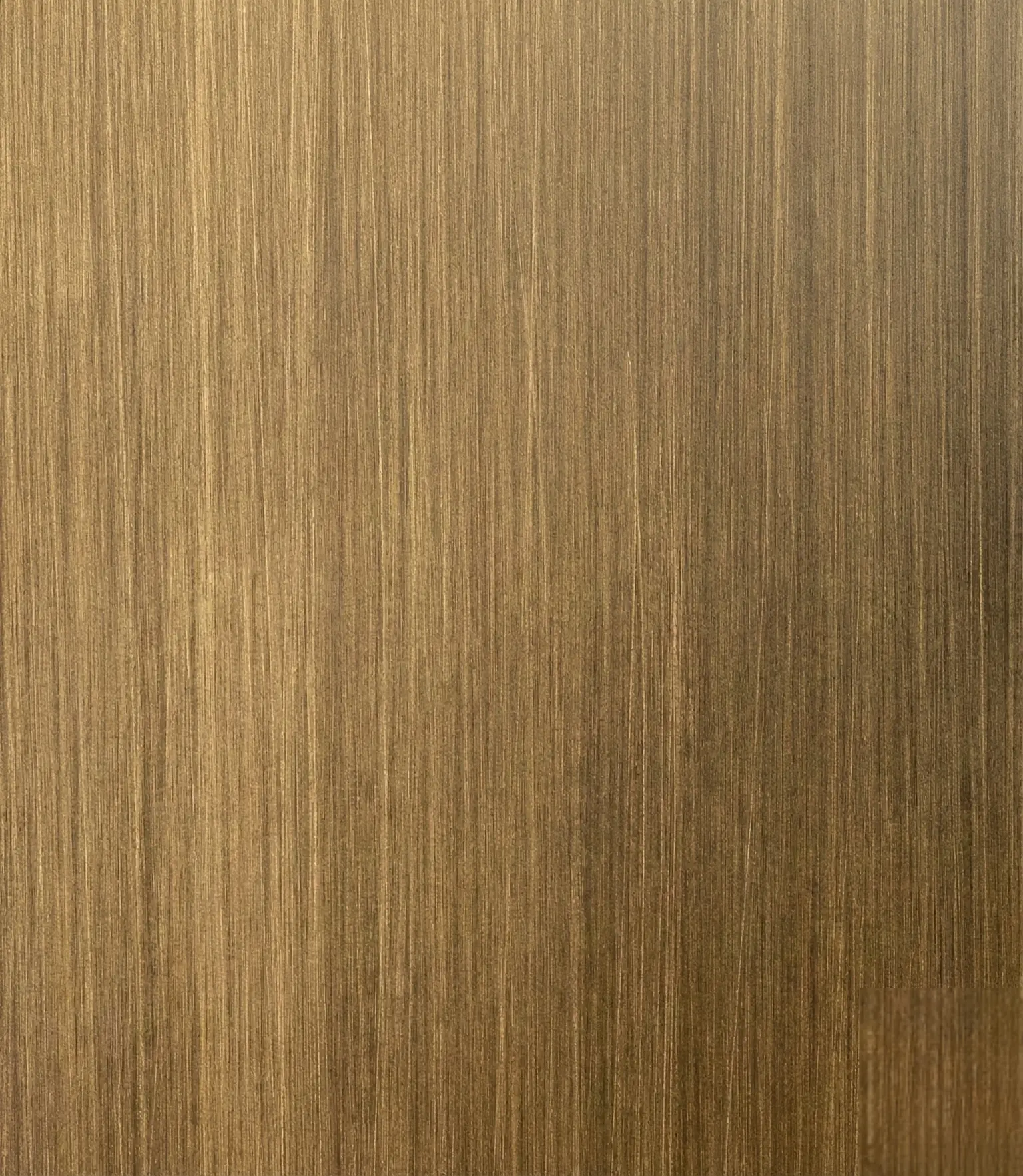
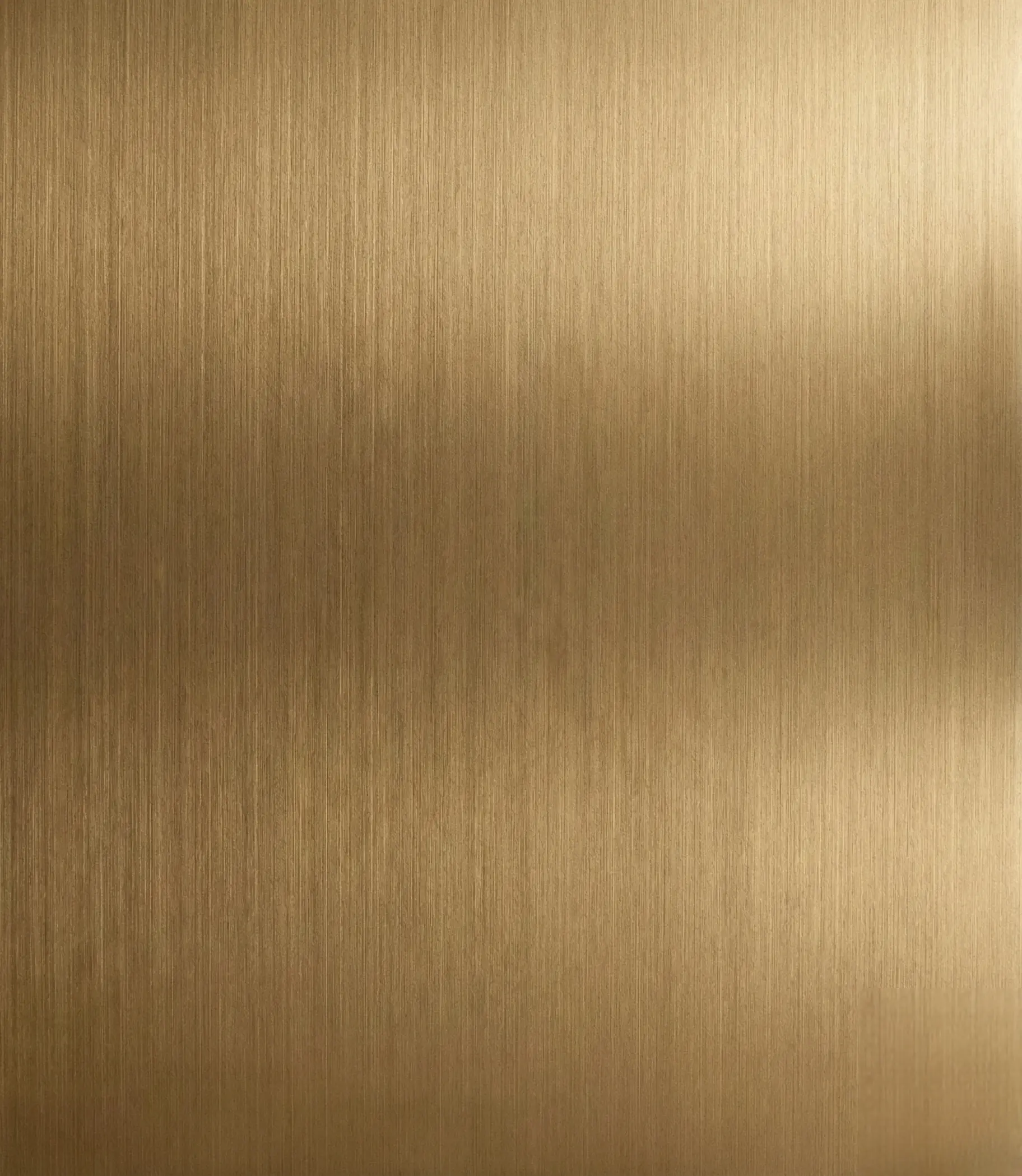
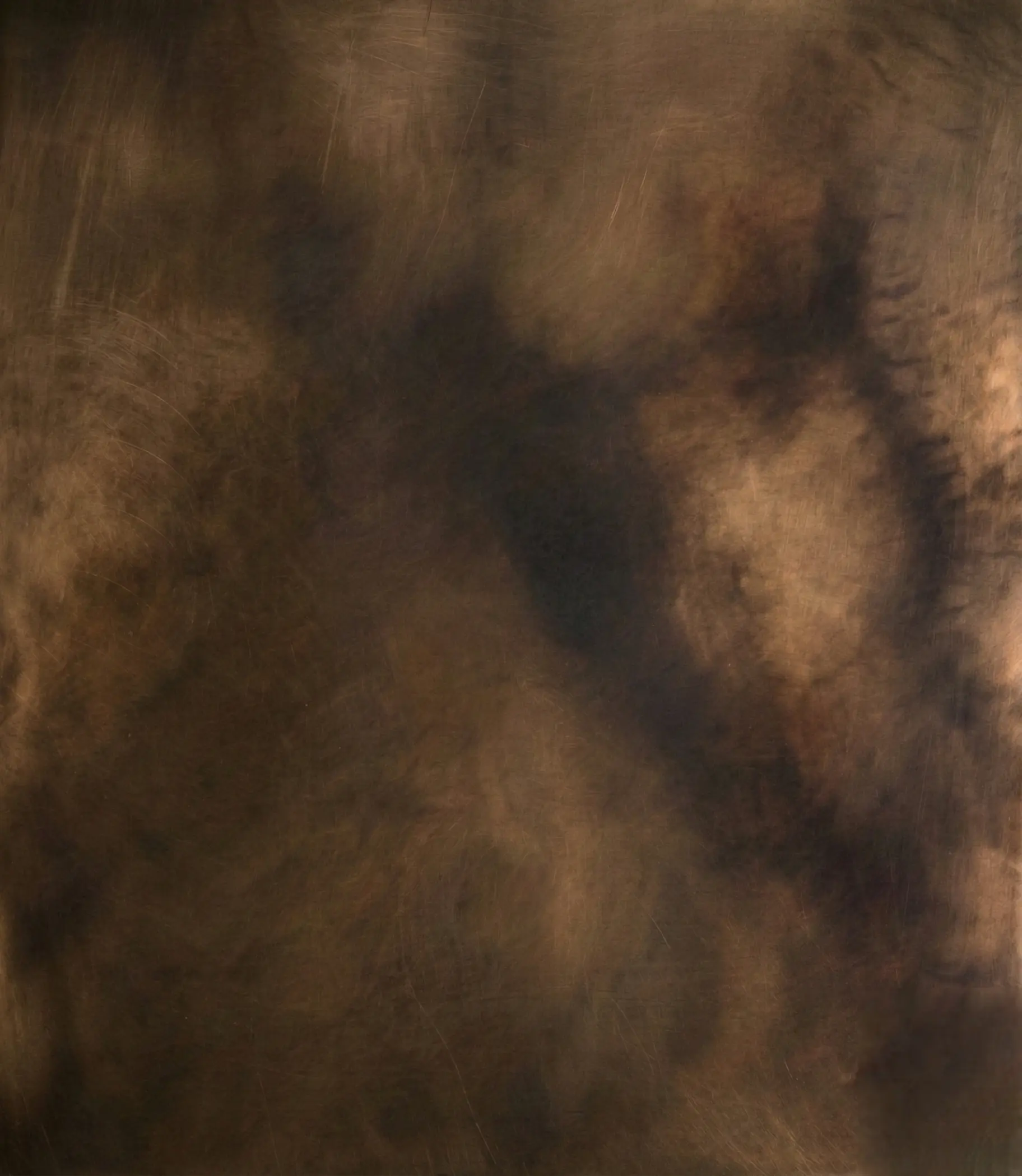
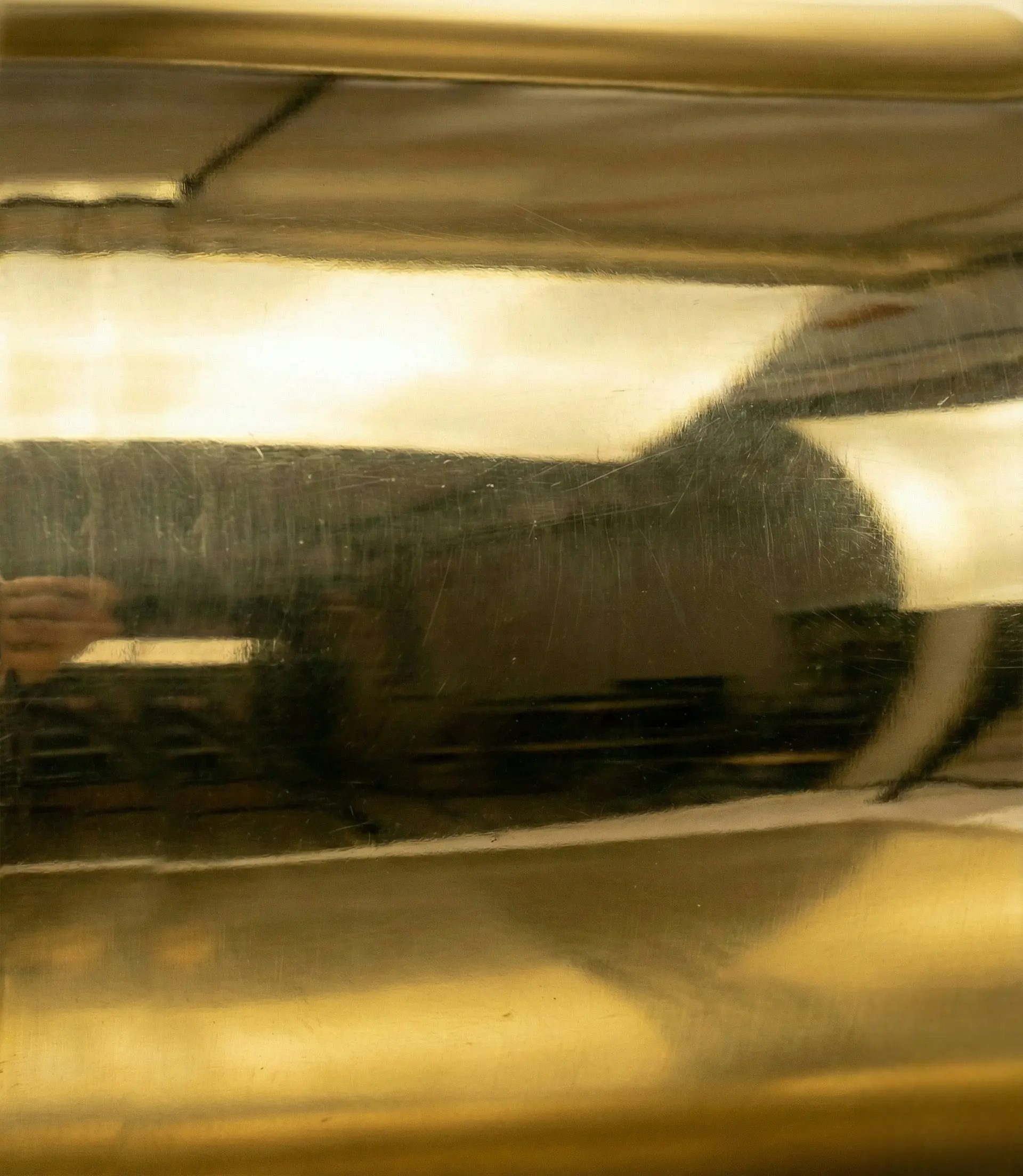
Entrance doors require one finish logic across multiple micro geometries. Define the primary read from distance, then the tactile read at hand height. Establish where reflectivity should soften, where brushed metal finish direction should guide light, and where patina character is allowed to sit. Early mapping also clarifies whether the door is best served by MetaliQ Liquid Metal Coatings on a prepared build, TruMetal Arc Wire Coatings for durability, Finishes on Traditional Metals on solid metal skins, or LuxCoat Wet Coatings where a controlled color field is the intent.

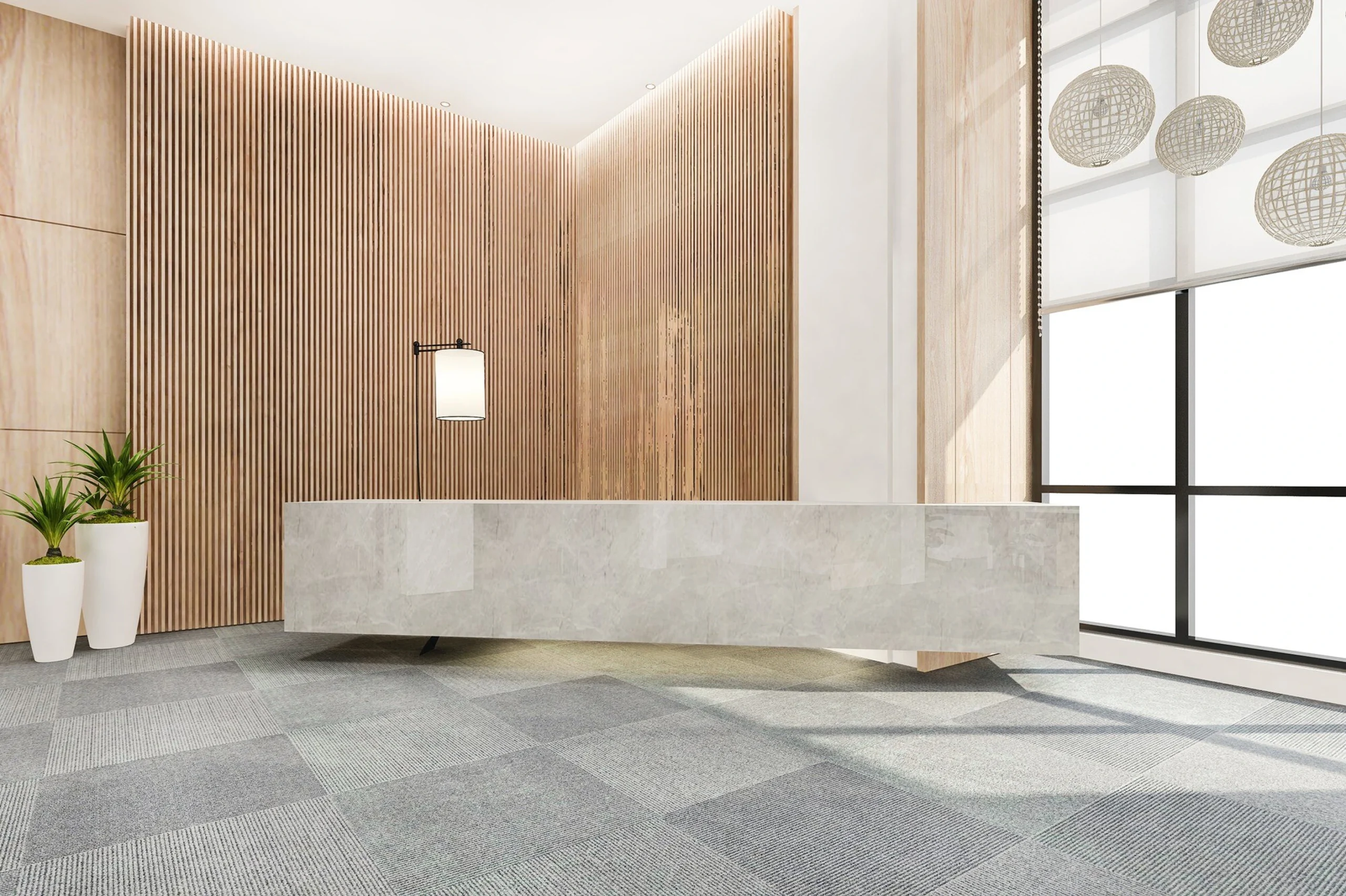
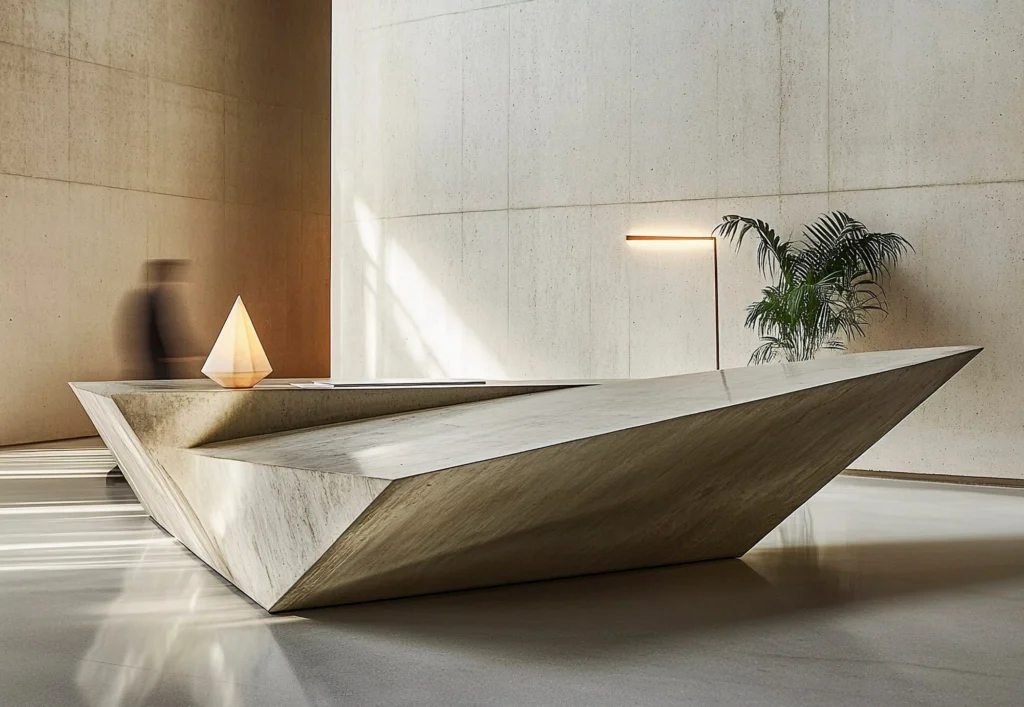
Common Applications for Custom Reception Desks

Custom reception desks are suitable for a wide range of applications:

Project Workflow

Start by listing the surfaces that must match: leaf faces, leaf edges, frame, reveals, pulls, escutcheons, and any surrounding cladding. Identify which parts are solid metal, which are prepared substrates, and which are better served by a paint system. This scope step is where the correct Modulux path becomes clear: MetaliQ Liquid Metal Coatings, TruMetal Arc Wire Coatings, Finishes on Traditional Metals, or LuxCoat Wet Coatings. The deliverable is a finish map tied to one visual target.

Entrance Doors Application Process

Entrance doors demand finish logic that holds at distance and at touch. The process begins with surface preparation calibrated to the substrate, then sample alignment that fixes tone, texture, and sheen control as a measurable target. MetaliQ Liquid Metal Coatings are selected when the design needs seamless real metal across complex geometry on prepared substrates. TruMetal Arc Wire Coatings are chosen when a more performance oriented metal layer is required before refinement. Finishes on Traditional Metals are used when the door skin is already brass, bronze, copper, steel, or stainless and the brief is controlled brushing, polishing, or patina work. LuxCoat Wet Coatings support projects where color and repeatability define the architectural intent. Sealing is project specific, aligned to exposure, touch frequency, and maintenance routines.

Frequently Asked Questions

Substrate suitability depends on the selected finish path. MetaliQ can be applied to carefully prepared substrates such as MDF, wood, composites, stone, and existing metal where appropriate. TruMetal and LuxCoat depend on preparation and system selection. Finishes on Traditional Metals require real metal substrates.

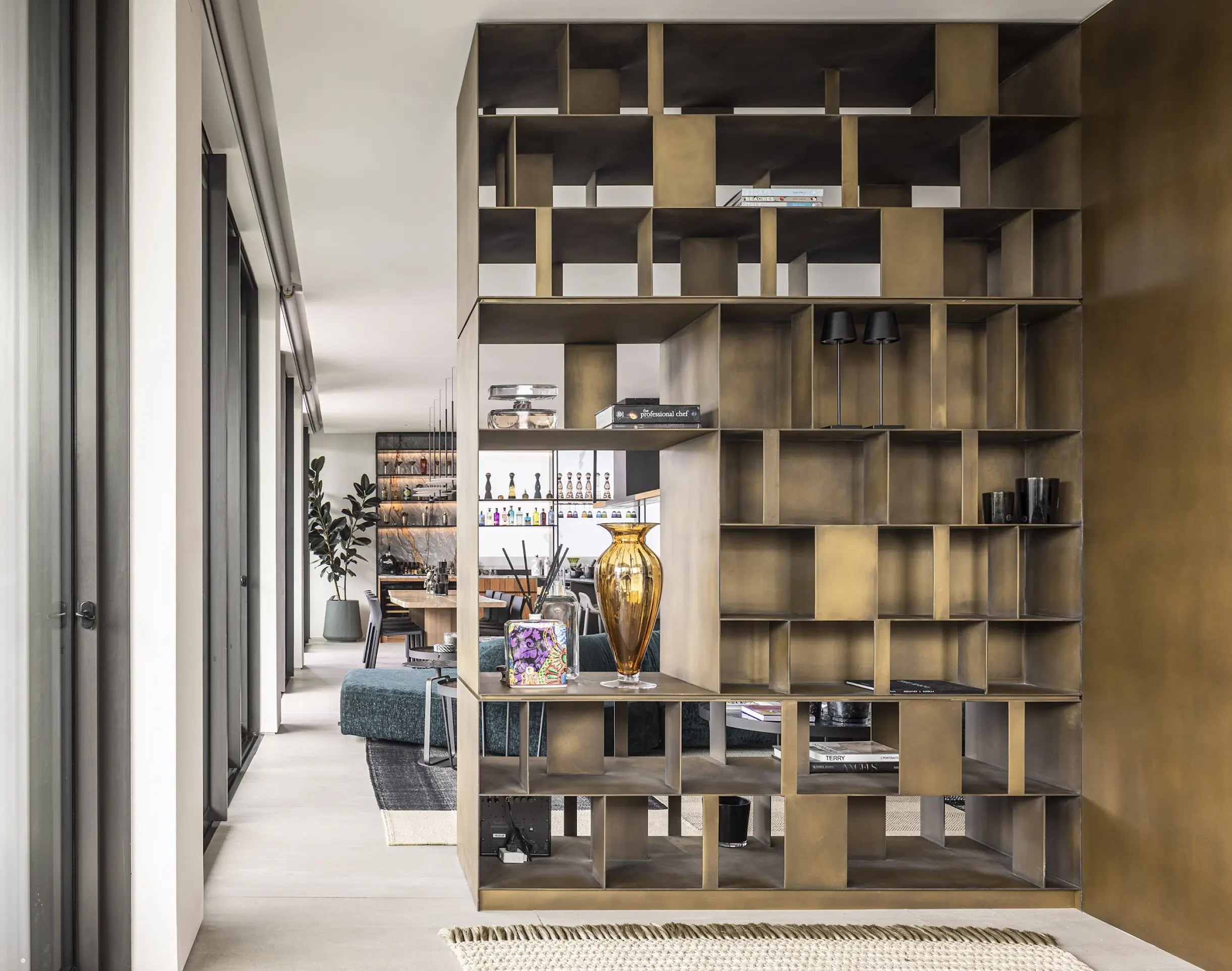
Sample Projects of Designed Metal Bookcases

Project references for entrance doors are available upon request. Share your target finish direction, substrate information, geometry notes, and application zone, and Modulux can provide relevant examples and a specification oriented workflow.

Request finish samples to evaluate tone, texture, and sheen under your project lighting. For specification support, share your door build, substrate, and exposure notes. We will align an appropriate finish path and a practical workflow for fabrication and installation.