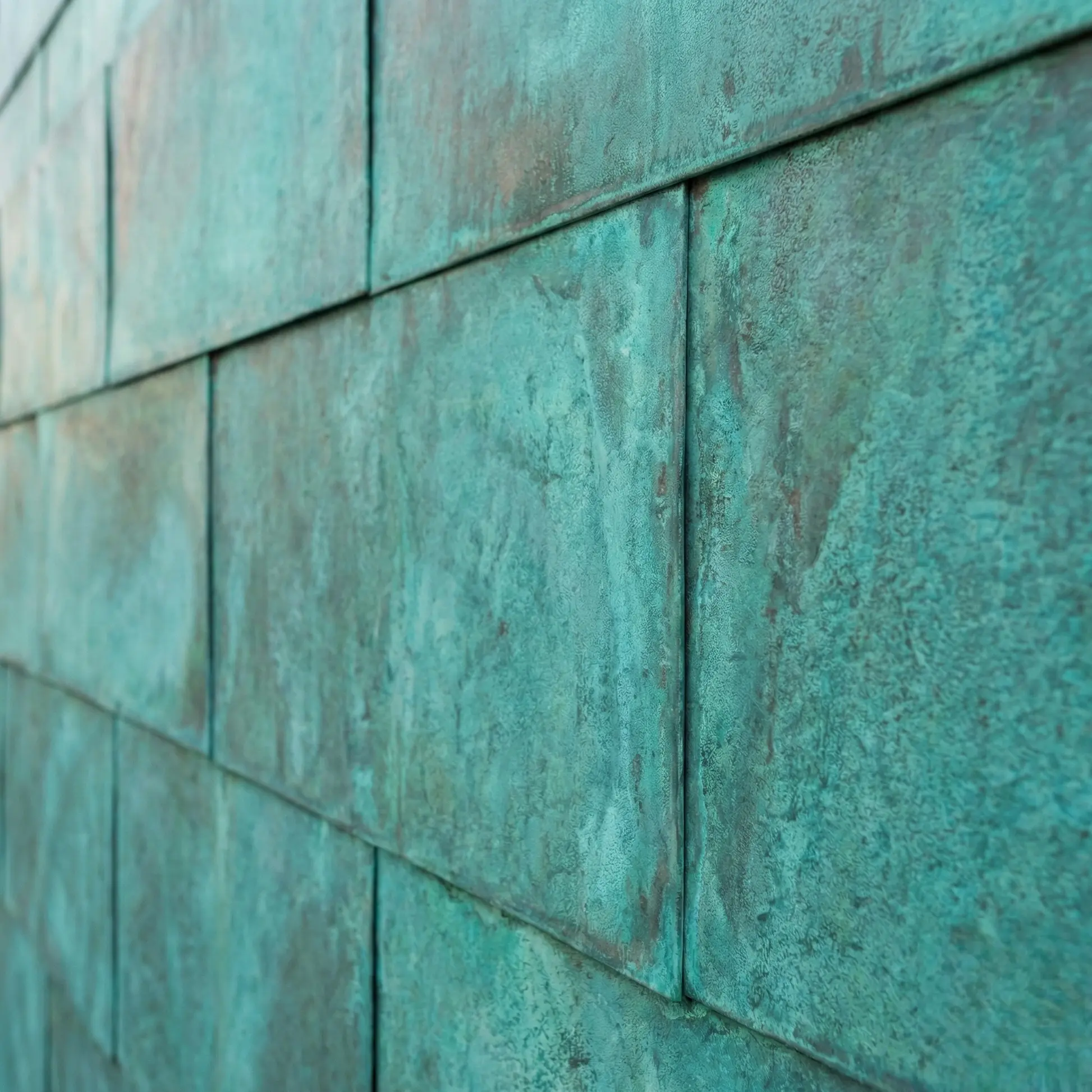
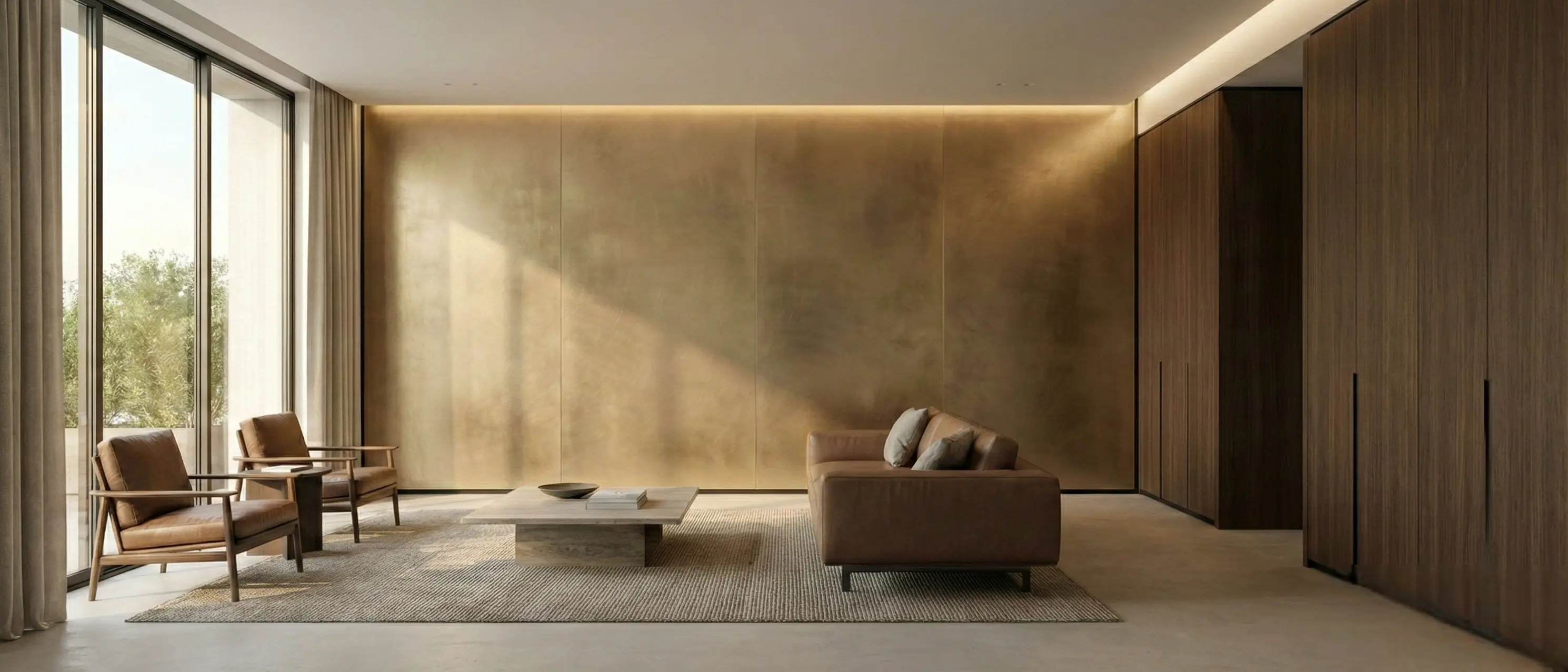
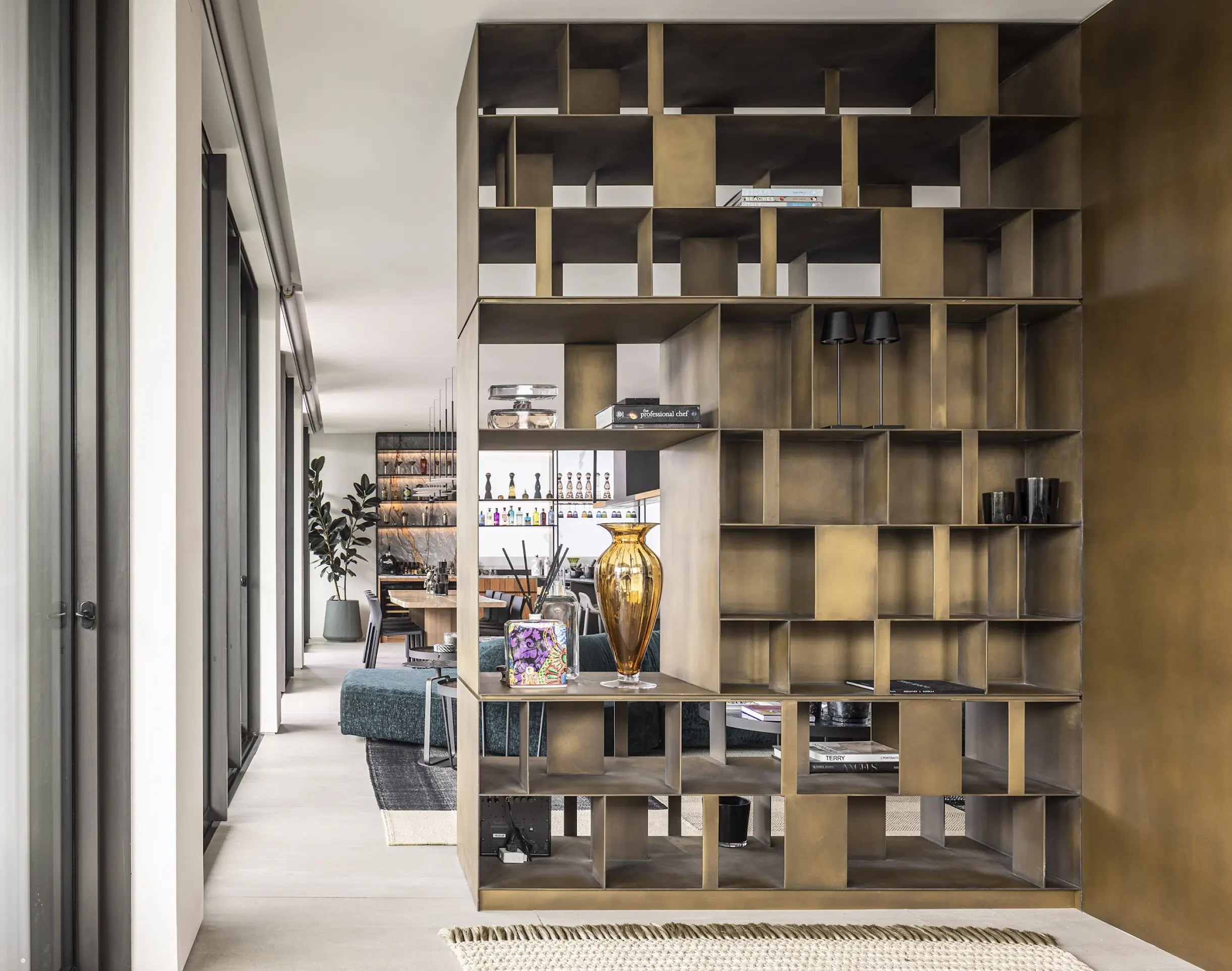
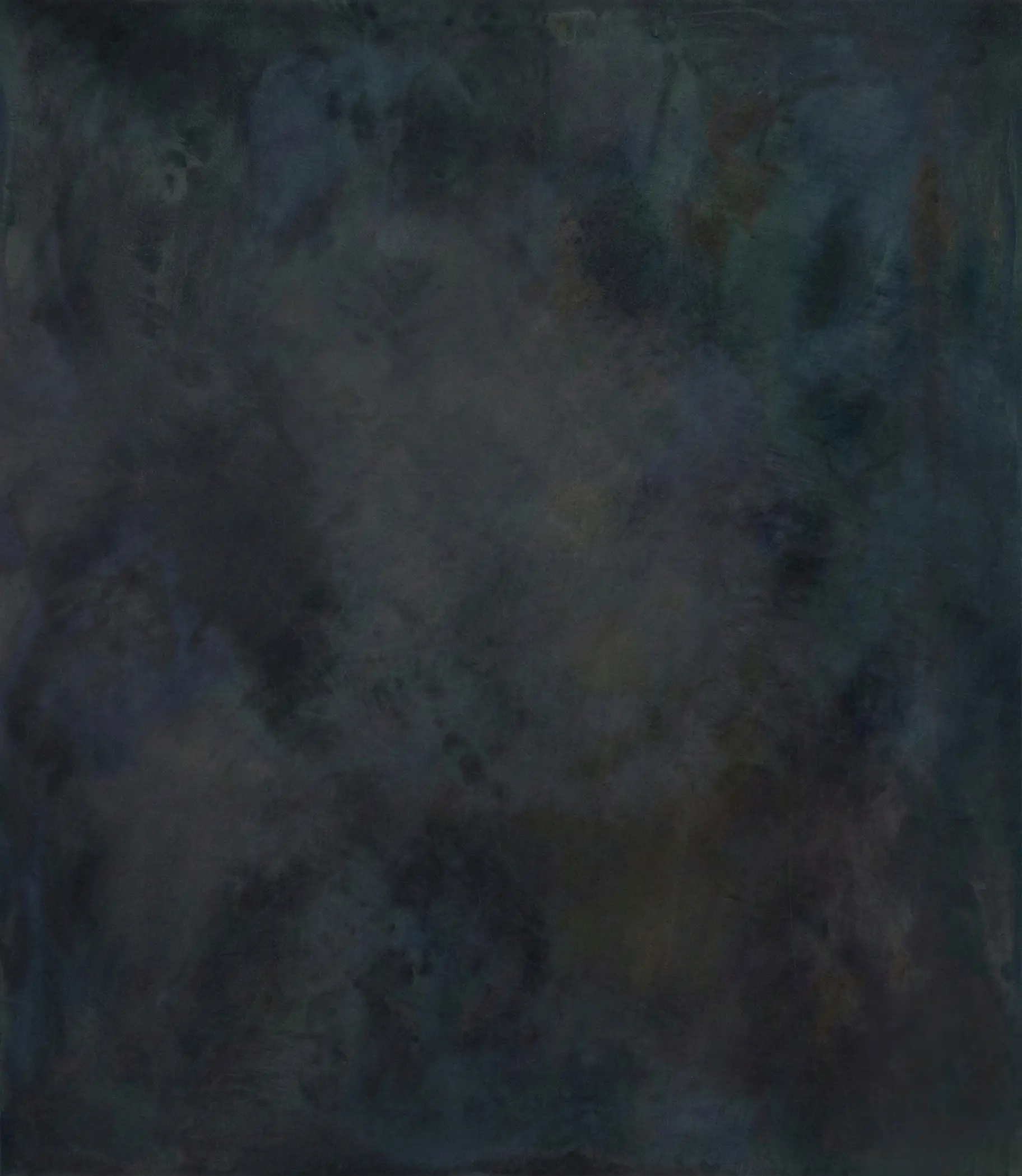
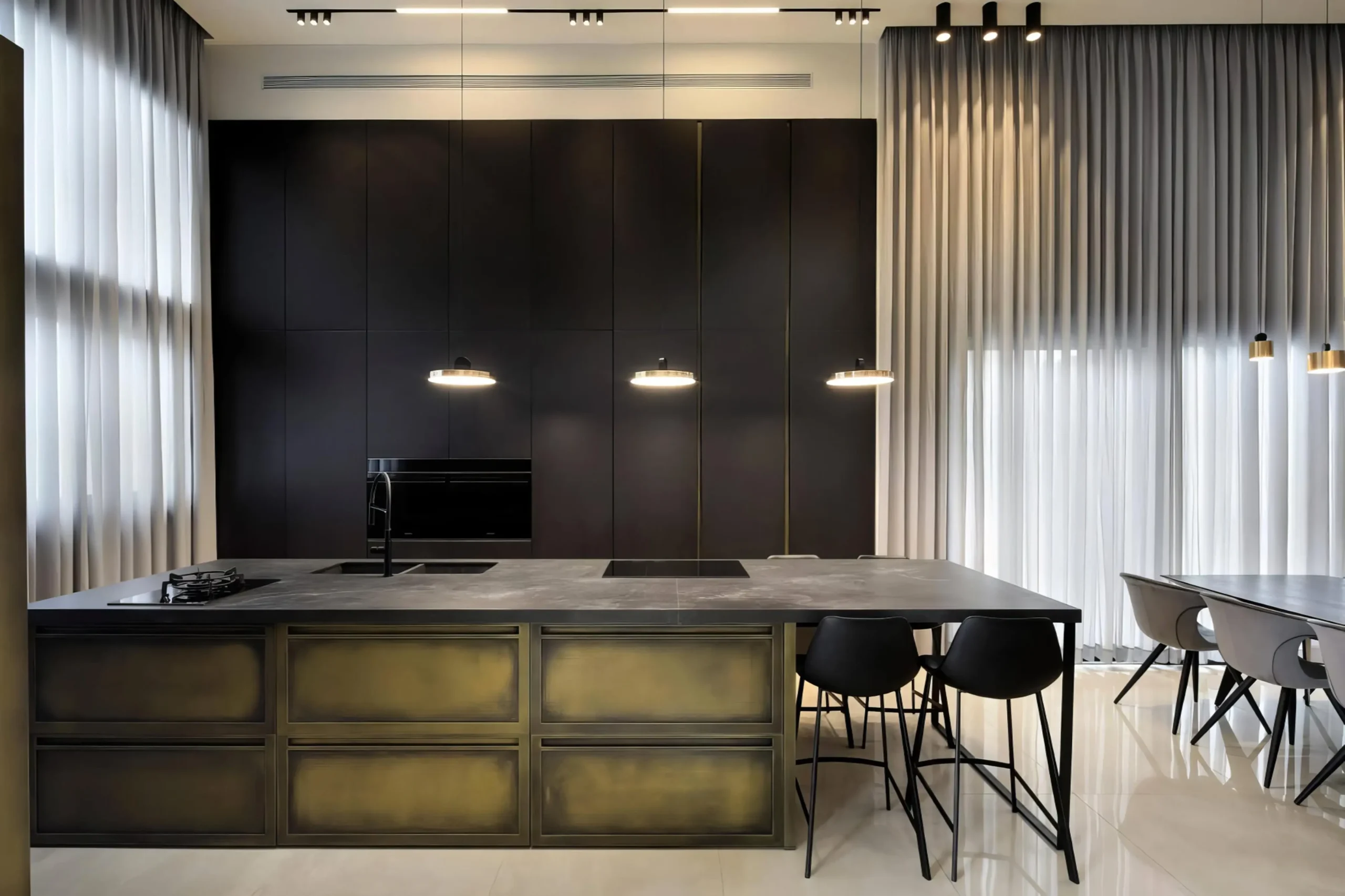
An accent wall is often where a space declares its intent. It holds the first glance, it carries the longest reflection, it sets the temperature of the palette. When the finish is real metal, the wall becomes an architectural instrument, responding to grazing light, shadow gaps, and the rhythm of panels and reveals.
Traditional sheet metal can force compromises, weight, seams, corrosion risk, complex geometry, and installation complexity. MODULUX approaches the accent wall as a surface system: MetaliQ Liquid Metal Coatings for a seamless real metal skin, TruMetal Arc Wire Coatings when a performance driven metal layer is required, Finishes on Traditional Metals when the wall is built in solid metal, and LuxCoat Wet Coatings when a controlled painted finish must align with the project’s metal language.
A metal accent wall succeeds when the finish can be sampled, approved, and repeated across surfaces that meet on site with clean tolerance. The goal is buildability and consistency: one tonal direction across panels, returns, corners, and adjacent elements, so the surface reads calm under changing light and the installation feels intentional rather than patched together.
Define the wall as a light surface before it becomes a drawing detail. Consider viewing angles, grazing light, and the direction of reflection so the metal reads controlled, not noisy. Decide early whether the wall is a continuous skin or a panelized composition, because joints, reveals, and termination conditions shape the visual outcome. Use physical samples to align tone and sheen, and treat the accent wall as part of a larger architectural metal finishes palette across the project.
Build the wall substrate for flatness, stability, and predictable joints. A metal surface reveals every irregularity once light moves across it. Plan access, edges, and integration with adjacent trades, lighting coves, millwork, stone, and hardware. If the design includes columns, wrapped corners, or ceiling transitions, choose a system that supports continuous geometry rather than forcing trims and caps. This is where liquid metal coating or arc wire coating strategies can simplify detailing.
Preparation sets the finish quality. Cleanliness, substrate conditioning, and handling protocols reduce defects that become visible under architectural lighting. For MetaliQ Liquid Metal Coatings, the base layer is part of the system and must be built for adhesion before the metal is applied. For TruMetal Arc Wire Coatings, the underlying surface must be properly prepared to support the bonded metal layer. For LuxCoat Wet Coatings, preparation is the core discipline that determines smoothness and repeatability.
The architectural result is shaped after application. Finishing steps, brushing direction, polishing control, tonal tuning, and patina layering determine how the wall holds light. The final surface is sealed with a protective clear topcoat selected to suit the environment and maintenance expectations. On solid metal walls, Finishes on Traditional Metals uses a sample led workflow to control variation across parts and batches, then seals the surface for serviceability. The wall should feel composed, not improvised.
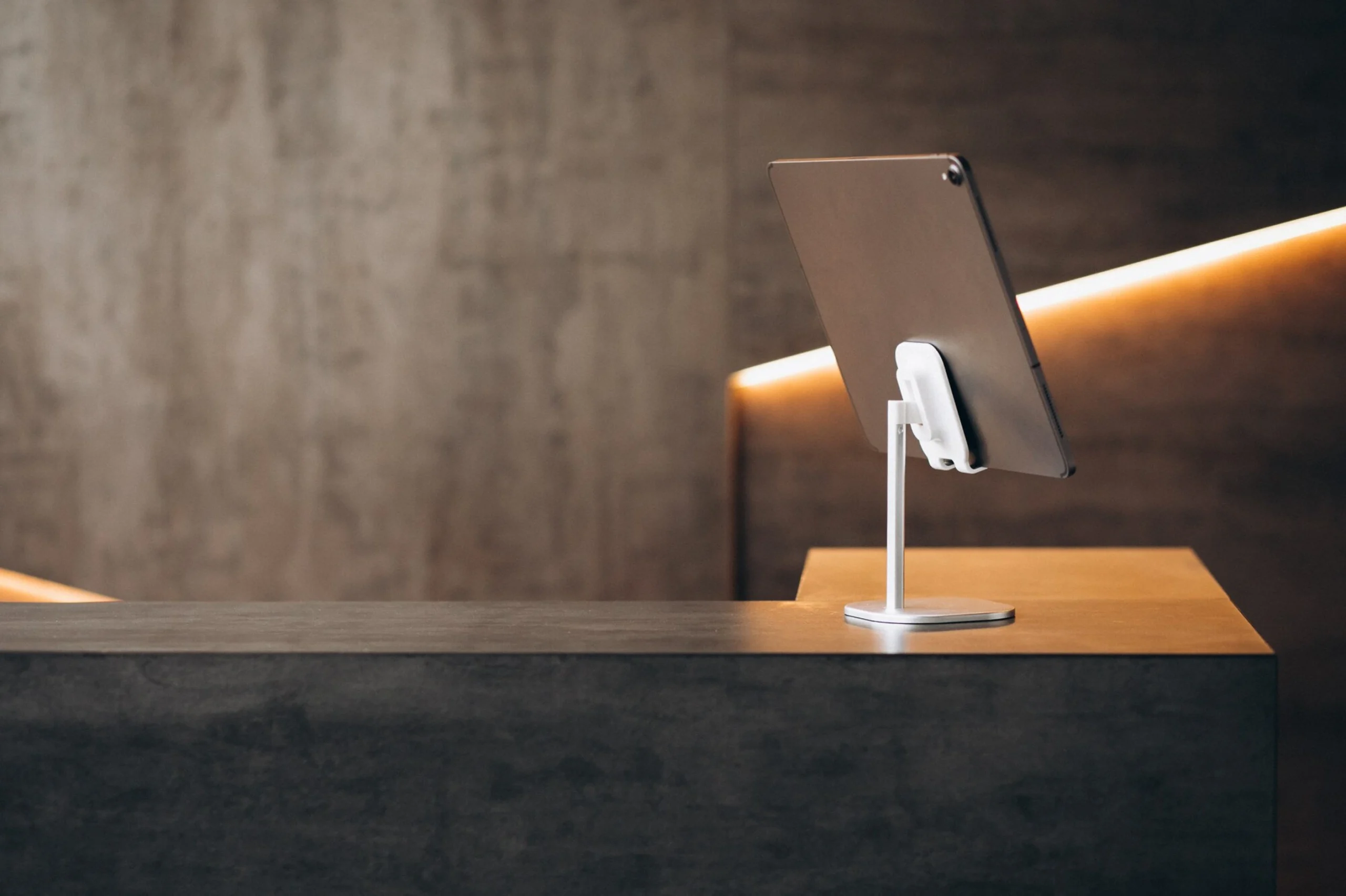
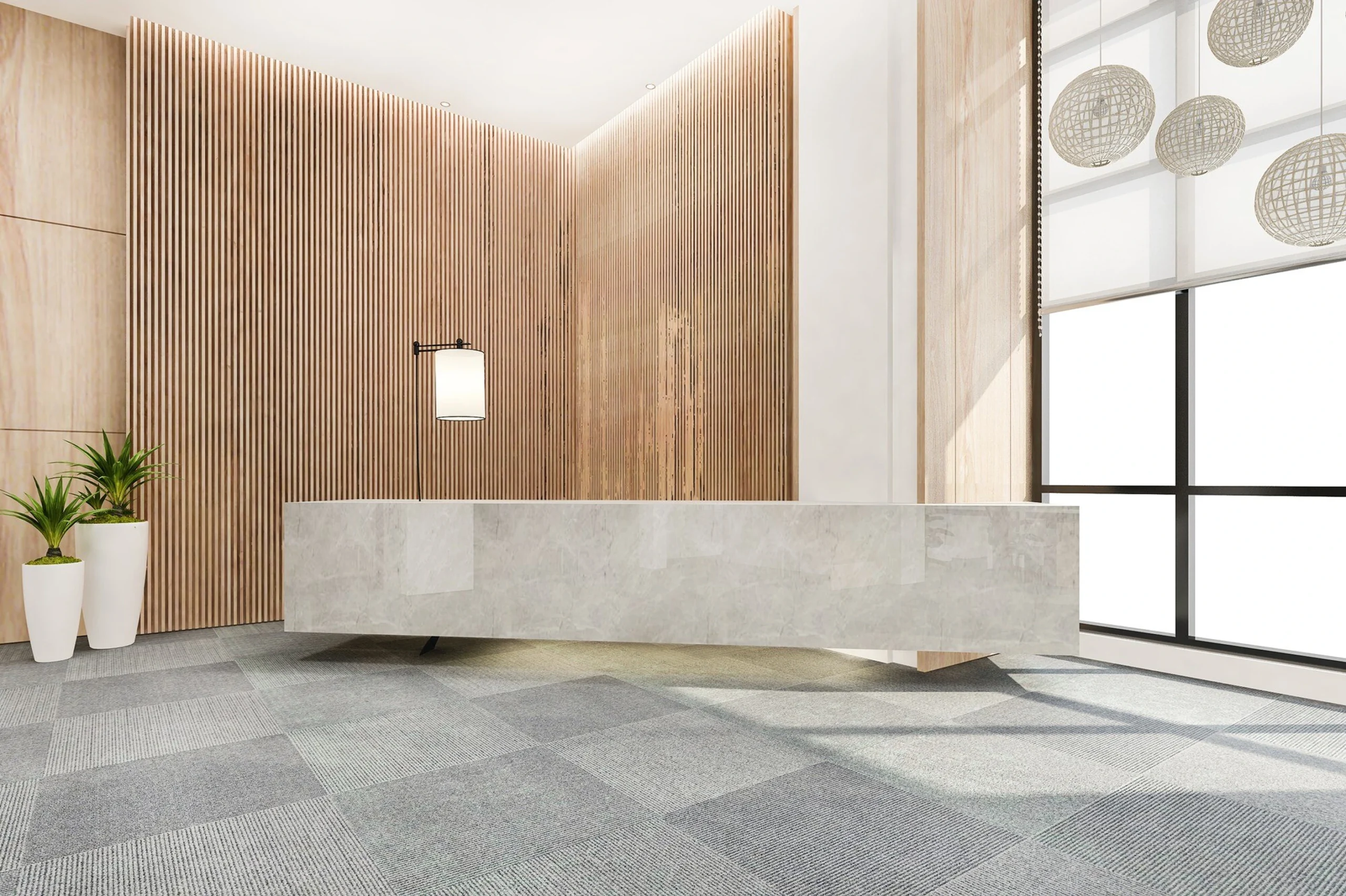
Custom reception desks are suitable for a wide range of applications:
Creating an impressive and luxurious first impression that defines the hospitality experience.
Confirm which planes are included and how the finish transitions at edges, corners, and terminations. Define whether the scope includes returns, reveals, door portals, or adjacent trims, since continuity depends on these interfaces. Note geometry conditions, flat planes, wrapped corners, columns, curved elements, and ceiling transitions. Record the primary application zone, interior, exterior, or both, and provide performance notes such as wet area exposure or frequent cleaning.
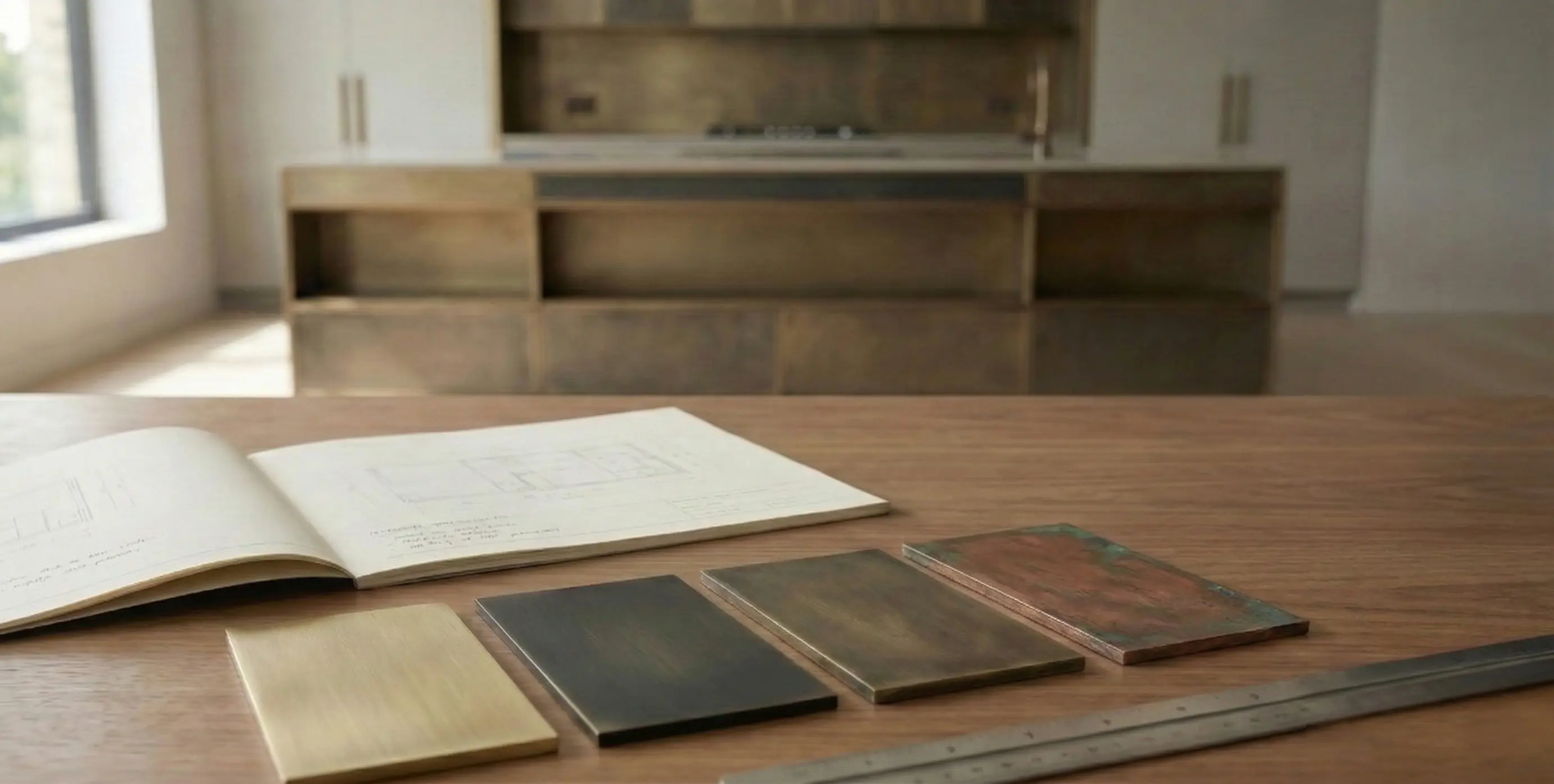
Start with reference samples that match the design intent under the actual lighting conditions of the project. Approvals should define tone, sheen, texture, and acceptable variation, especially for patina driven looks. Use one approved reference as the control target across production batches and site phases. Where multiple elements must align, wall panels, joinery, trims, and portals, sampling is what protects consistency.
Liquid metal can usually be applied to most wall types after proper preparation, but the substrate must be stable, clean, and suitable for the specified build. For MetaliQ, the base layer and adhesion strategy are part of the system. For TruMetal, the prepared base must support the bonded metal layer. For LuxCoat, surface conditioning determines smoothness and long term stability.comes: especially edges, penetrations, and joint strategy. Where the project includes wet areas or higher maintenance demands, confirm suitability and protection requirements during specification.
Define the protection strategy at handover: [Insert topcoat selection], [Insert cleaning routine], [Insert touch up approach]. For liquid metal walls, regular cleaning with a damp cloth and avoidance of abrasive agents helps preserve the finish. MODULUX also offers a dedicated cleaning agent for liquid metal coated surfaces, recommended for ongoing care. In wet zones, confirm moisture resistance expectations and ensure the finish system is aligned to the environment. For repairs, plan access to spare panels or approved touch up methods.
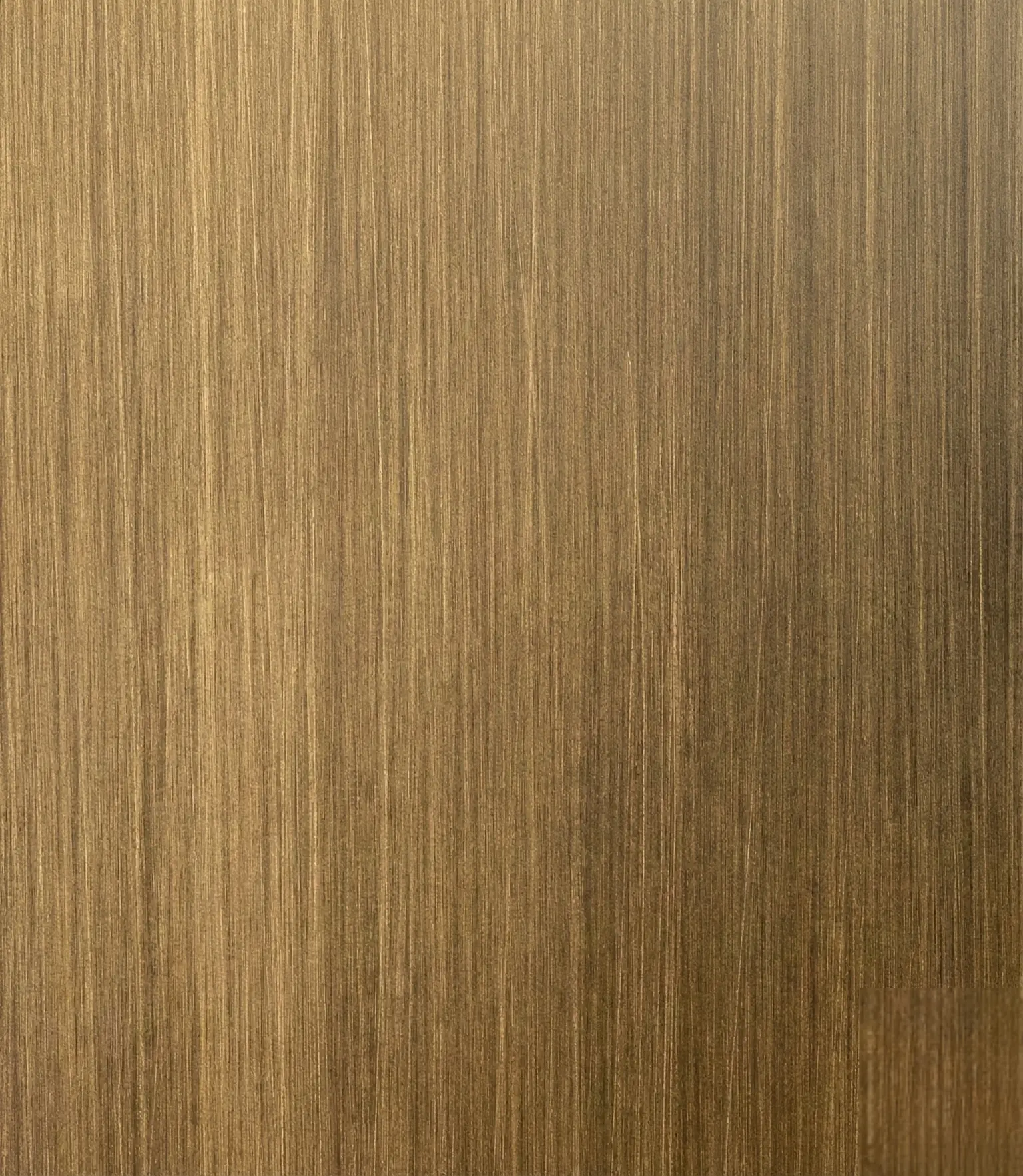
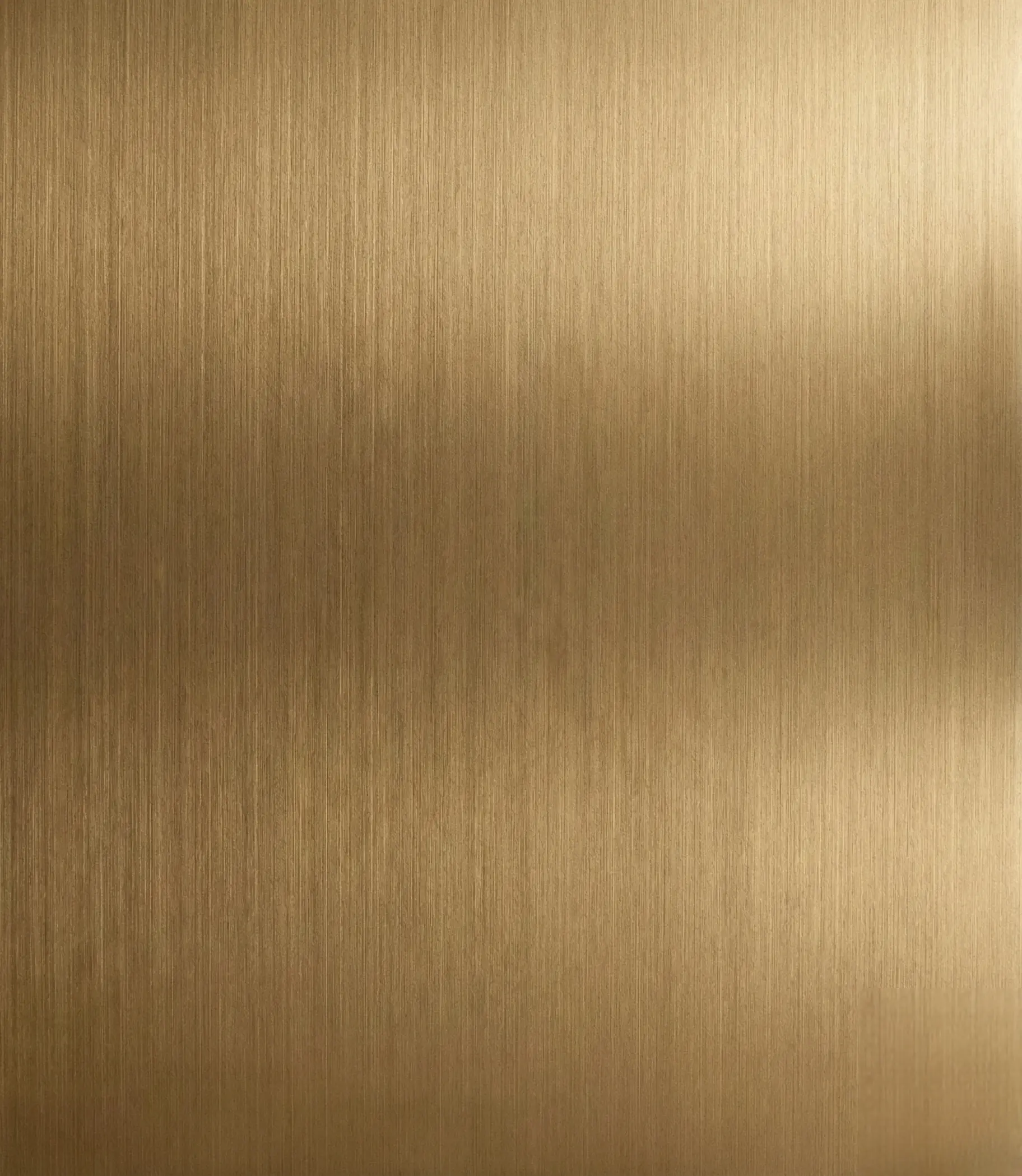
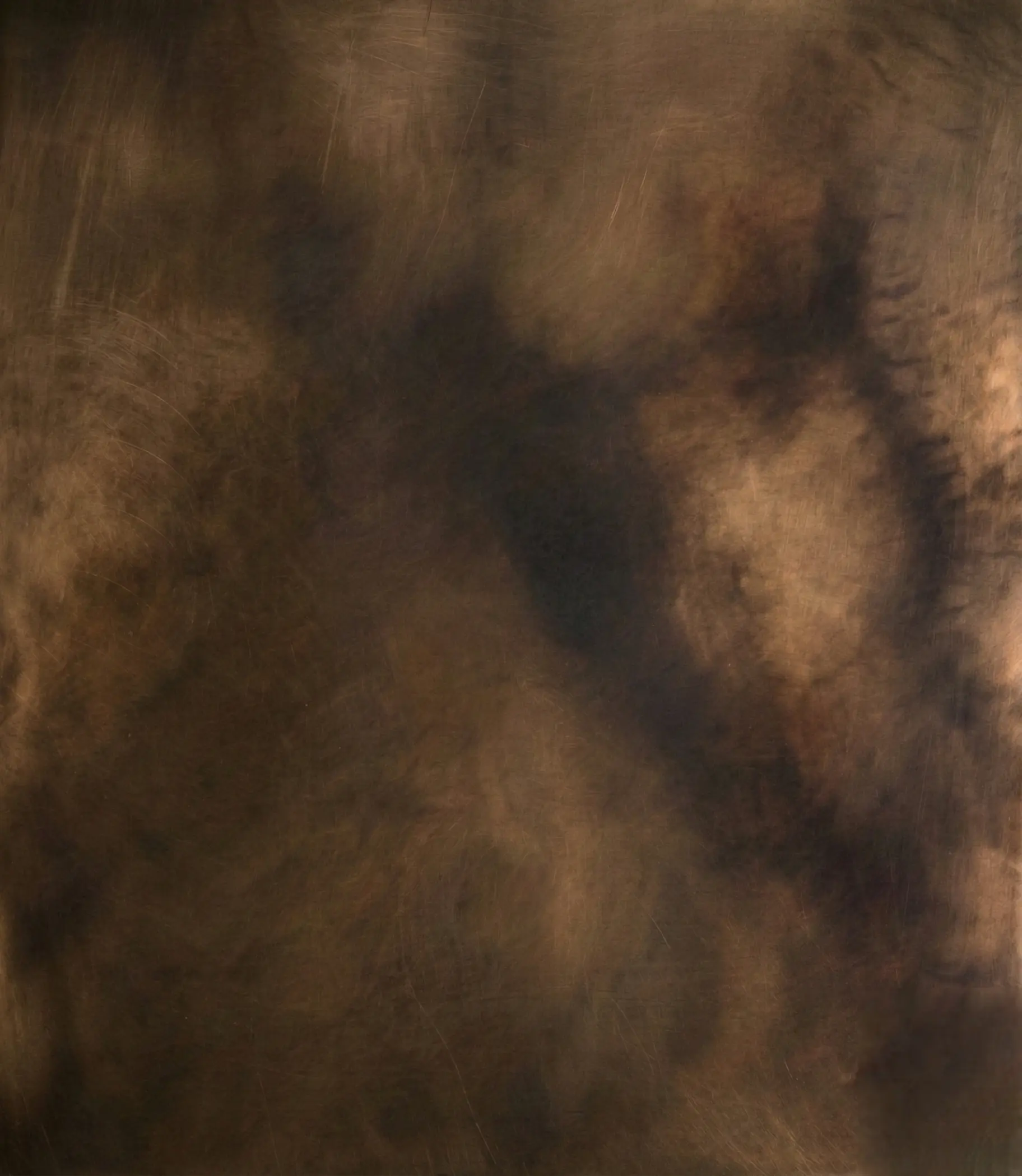
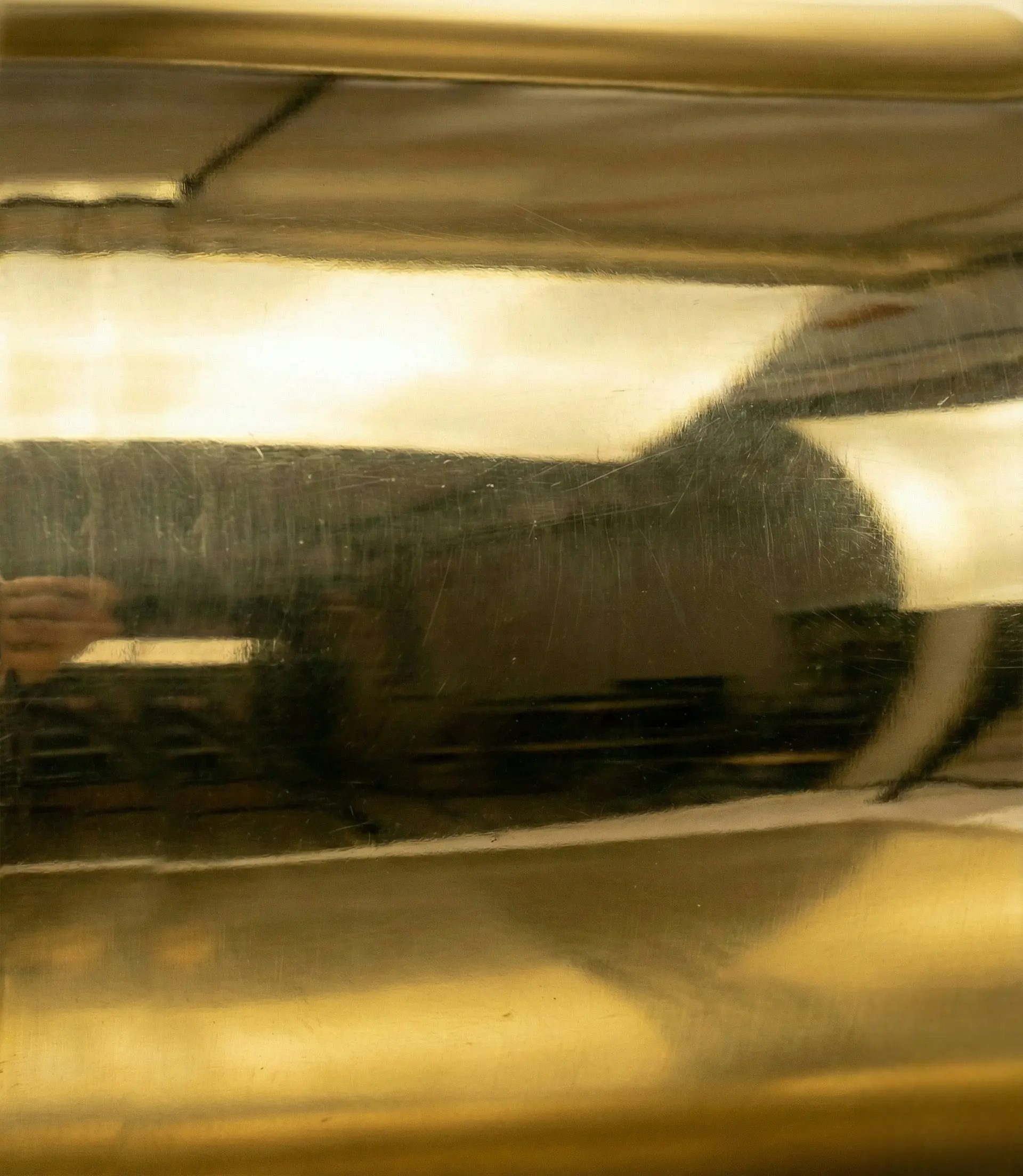
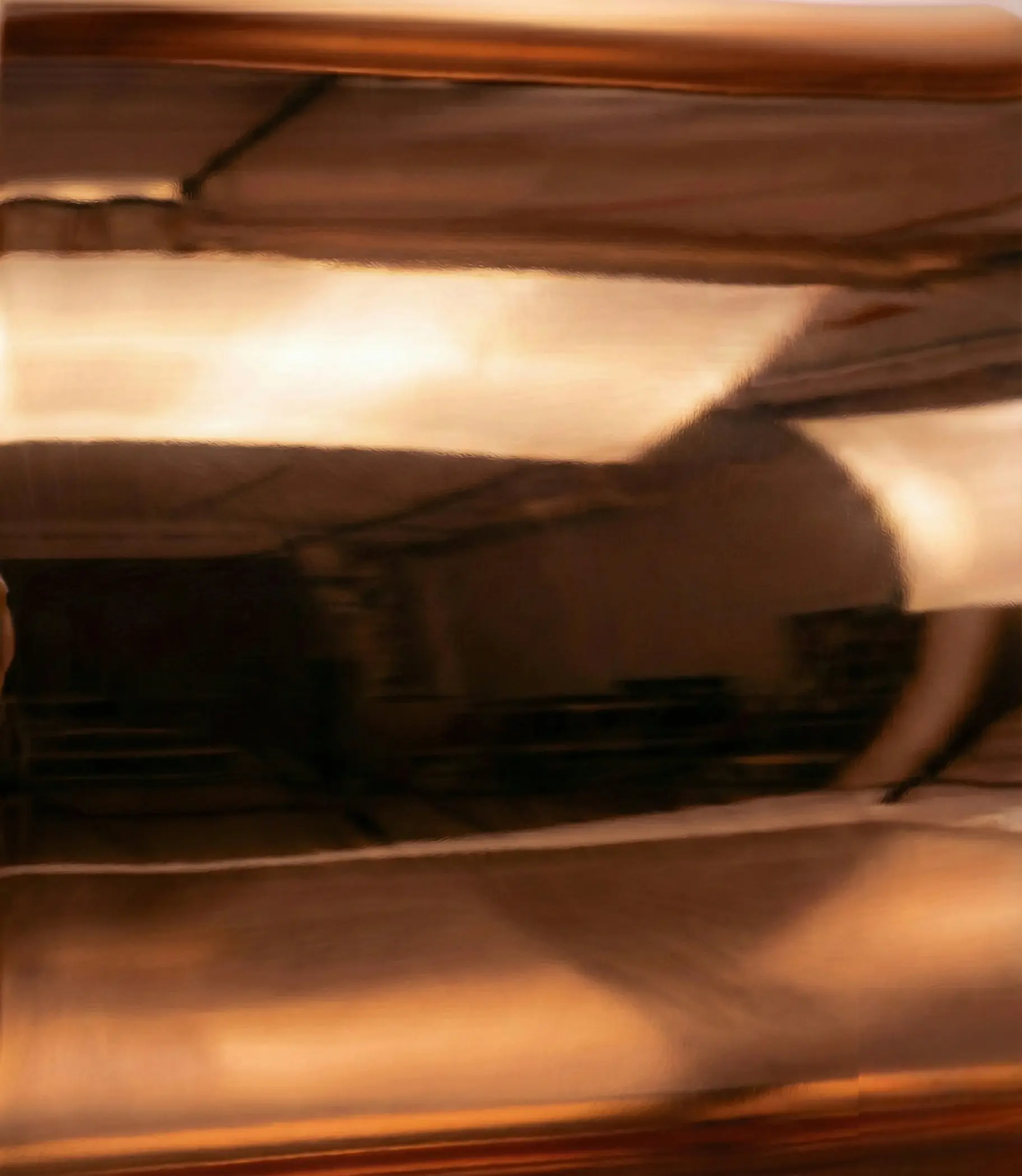
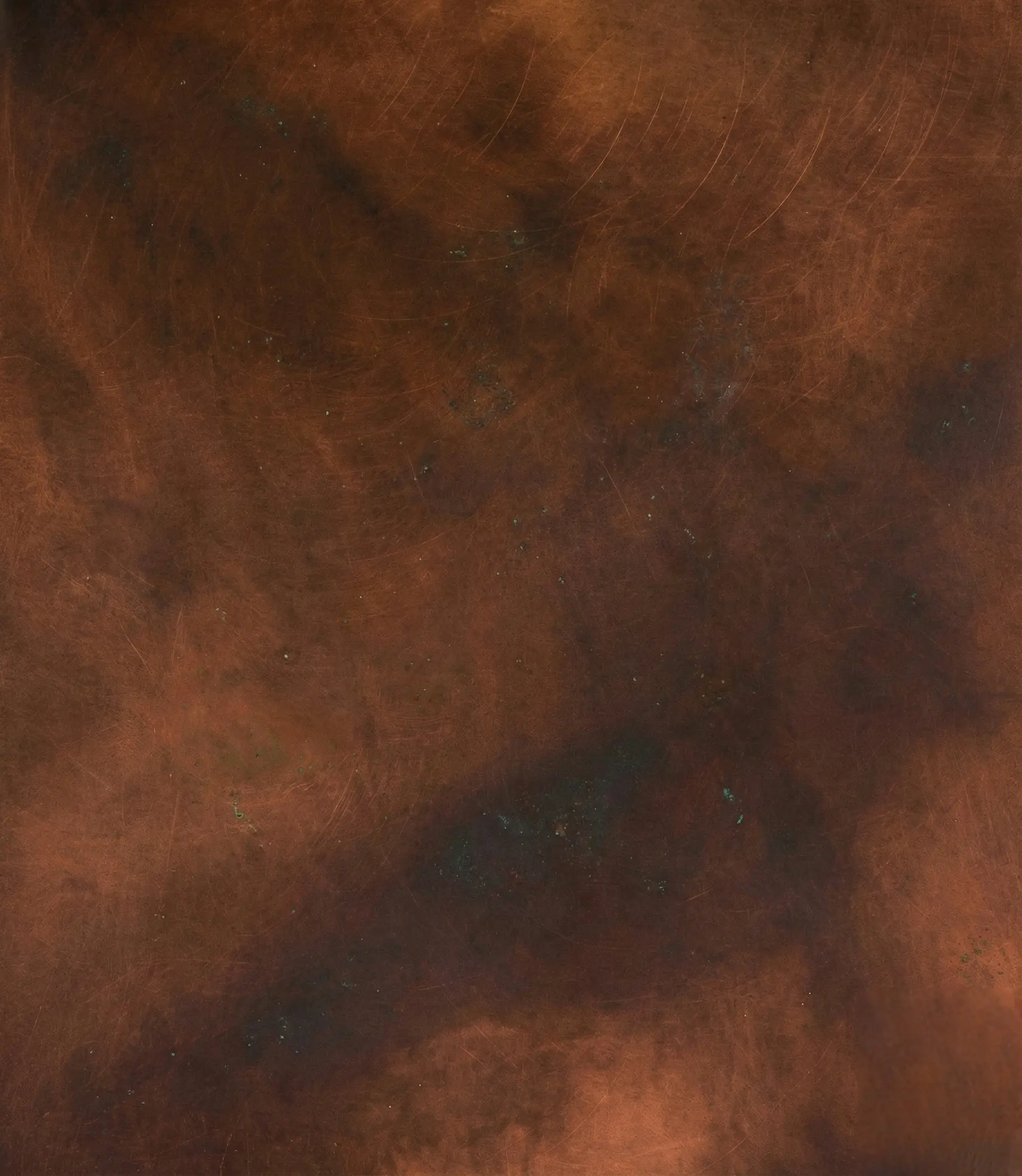
Every accent wall begins with one decision, how the metal should behave in light. The finishes below are starting points for sampling and alignment. Each can be delivered through MetaliQ Liquid Metal Coatings, TruMetal Arc Wire Coatings, Finishes on Traditional Metals, or LuxCoat Wet Coatings, depending on the substrate, geometry, and performance brief. Open a finish to review its visual range, recommended use zone, and protection approach, then use it as the reference for approvals and site consistency.
Liquid metal can usually be applied to most wall types after proper preparation, but suitability depends on the wall build and stability. Share the substrate and construction details, then the system can be planned around adhesion, flatness, and joint treatment.
Edges and corners are treated as part of the visual field, not as afterthoughts. Confirm whether the design requires wrapped corners, crisp reveals, or shadow gaps. Select a system that supports the geometry, then use a sample led finishing approach so tone and sheen remain consistent across returns and faces.
The approach can serve both interior and exterior use cases, but the environment must be stated and the protection strategy selected accordingly. The same building can be conceived with exterior brass, copper, or corten character, yet the final system should be defined by exposure, detailing, and maintenance plan.
Routine care is simple: regular cleaning with a damp cloth and avoidance of strong or abrasive cleaning agents. For stubborn stains, consult an expert. MODULUX also provides a dedicated cleaning agent for liquid metal coated surfaces, recommended for maintaining appearance over time.
Plan repairs as part of coordination. Keep the approved sample reference, document the final topcoat, and define access conditions. Touch up feasibility depends on finish direction, sheen, and site conditions. Where perfect continuity is critical, consider spare panels or mockups.
The on site application process can take two to three weeks, depending on area and design complexity. Include time for sampling, approvals, and substrate readiness. For phased delivery, define the sequence and reference control so the finish remains coherent across batches.
Custom reception desks using Modulux’s liquid metal technology offer a unique and advanced solution for architects and interior designers. The combination of luxurious appearance, design flexibility, and long-term durability makes custom reception desks an excellent choice for a wide range of projects, from hotels to offices and public institutions.
With custom reception desks by Modulux, you can create stunning entrance spaces that leave an unforgettable impression.
If you are planning an accent wall, a small sample clarifies everything that drawings cannot. Tone, sheen, and texture become measurable under your lighting, and details like corners, reveals, and panel rhythm can be resolved with confidence.
Share your substrate, geometry, and exposure conditions, then we will recommend the most appropriate path, MetaliQ Liquid Metal Coatings, TruMetal Arc Wire Coatings, Finishes on Traditional Metals, or LuxCoat Wet Coatings, and help you structure a simple approvals workflow for a consistent result.
שלח לנו וואטסאפ