Cloudy Blackened Brass is a quieter expression of brass, where warmth is softened by shadow and the surface reads more atmospheric than reflective. The tone sits between honeyed bronze and deep umber, with a clouded movement that shifts gently across the panel and keeps the material calm under changing light. Built on real brass character, the finish is developed through controlled darkening and surface refinement, then tuned to an approved reference so the overall impression stays coherent across a project. This look can be specified for intimate interior elements such as joinery fronts, portals, and wall moments that live close to the hand, and it also scales into architectural details where metal becomes part of the building language rather than an accent. When you explore options through Modulux Services, the focus stays on continuity across substrates and fabrication realities, so a consistent metal tone can follow the geometry instead of forcing compromises. For a deeper look at process and finish development, News and Blog offers context on how these surfaces are built, refined, and protected. The result is brass with restraint, a material presence that supports stone, timber, plaster, and glass, and lets light do the talking.
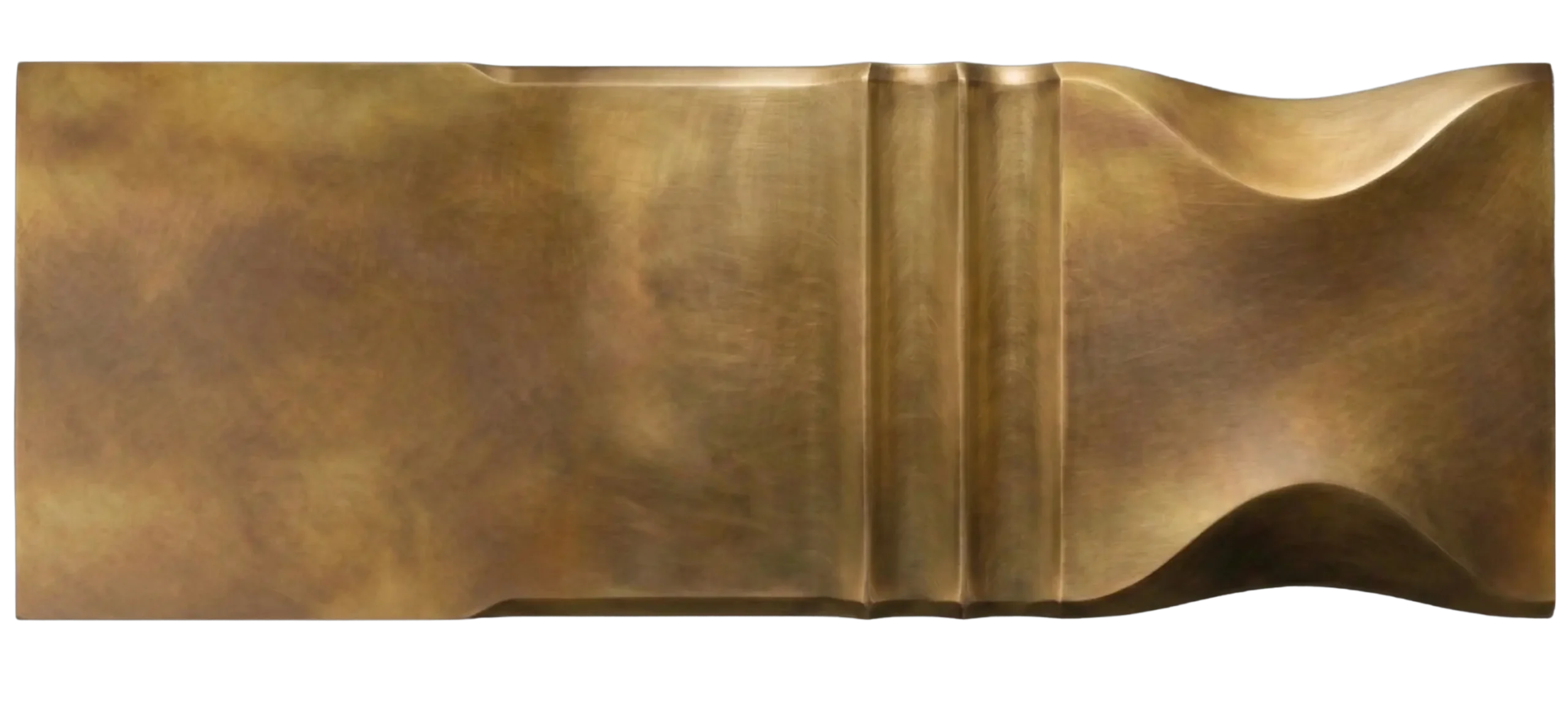
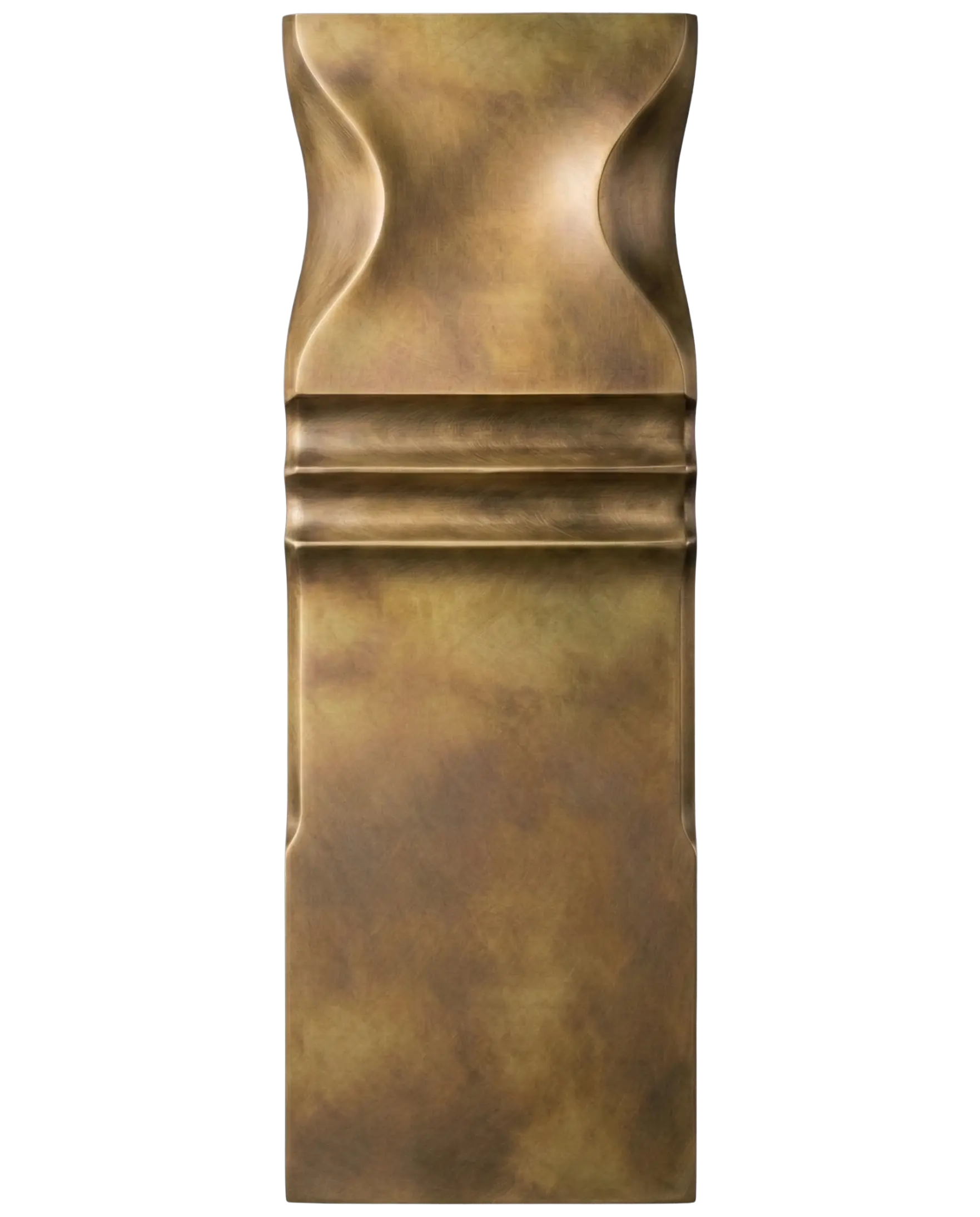
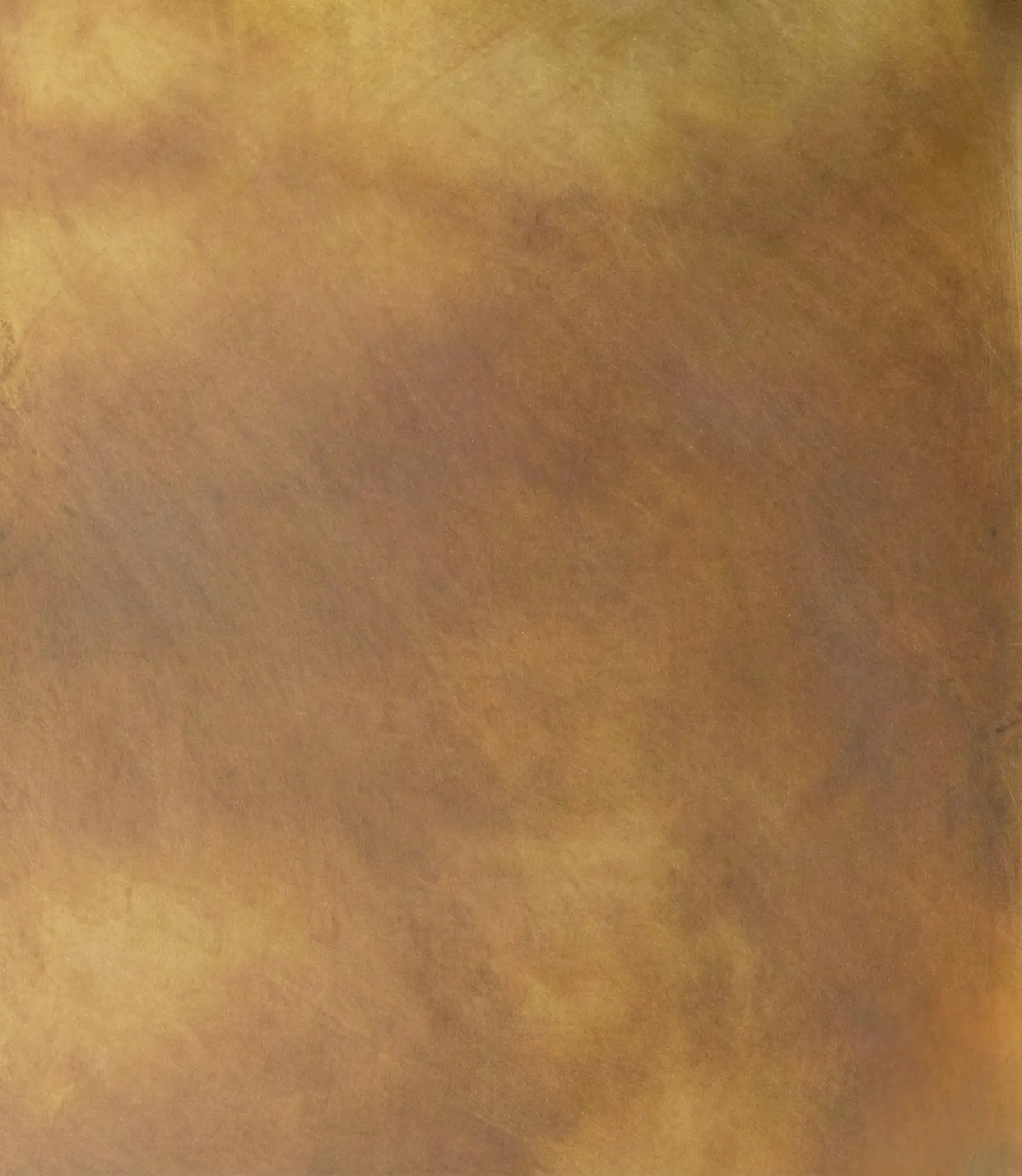
In interiors, Cloudy Blackened Brass is well suited to cabinet fronts, kitchen islands, vanities, bar fronts, media walls, door faces, door frames, trim details, shelving back panels, display niches, and integrated hardware moments where you want brass to feel grounded rather than bright. It pairs naturally with warm woods, honed stone, and matte surfaces, bringing depth without glare and keeping fingerprints and small day to day marks visually quieter than polished metal would.
In architectural applications, it transitions cleanly into elevator lobby panels, reception desk cladding, feature wall planes, column wraps, soffit accents, stair enclosure details, corridor portals, signage back plates, facade accents, and exterior entry elements where the palette needs warmth with a darker register. The same visual direction can be delivered through different Modulux technologies, which helps designers specify it across mixed substrates and geometries, including flat panels, wrapped edges, and curved forms, while maintaining one consistent metal language.
This finish is typically sealed with a clear protective topcoat selected for the project, supporting a stable appearance and practical cleaning. For routine care, dust with a clean microfiber cloth and wash occasionally with mild soap and water. Rinse with clean water and dry thoroughly to avoid water marks, especially along edges and joints where moisture can linger. For exterior use, increase cleaning frequency in dusty or coastal conditions and avoid leaving standing water on horizontal surfaces.
Do not use abrasive pads, scouring powders, metal polishes, solvent based cleaners, bleach, or acidic products, as they can scratch the topcoat and shift the finish tone. In high touch areas, keep a soft cloth nearby for dry wipe downs and address spills promptly. If a surface becomes dulled or shows a scratch, stop using cleaners that add friction and contact Modulux for a touch up recommendation that matches the approved finish direction.
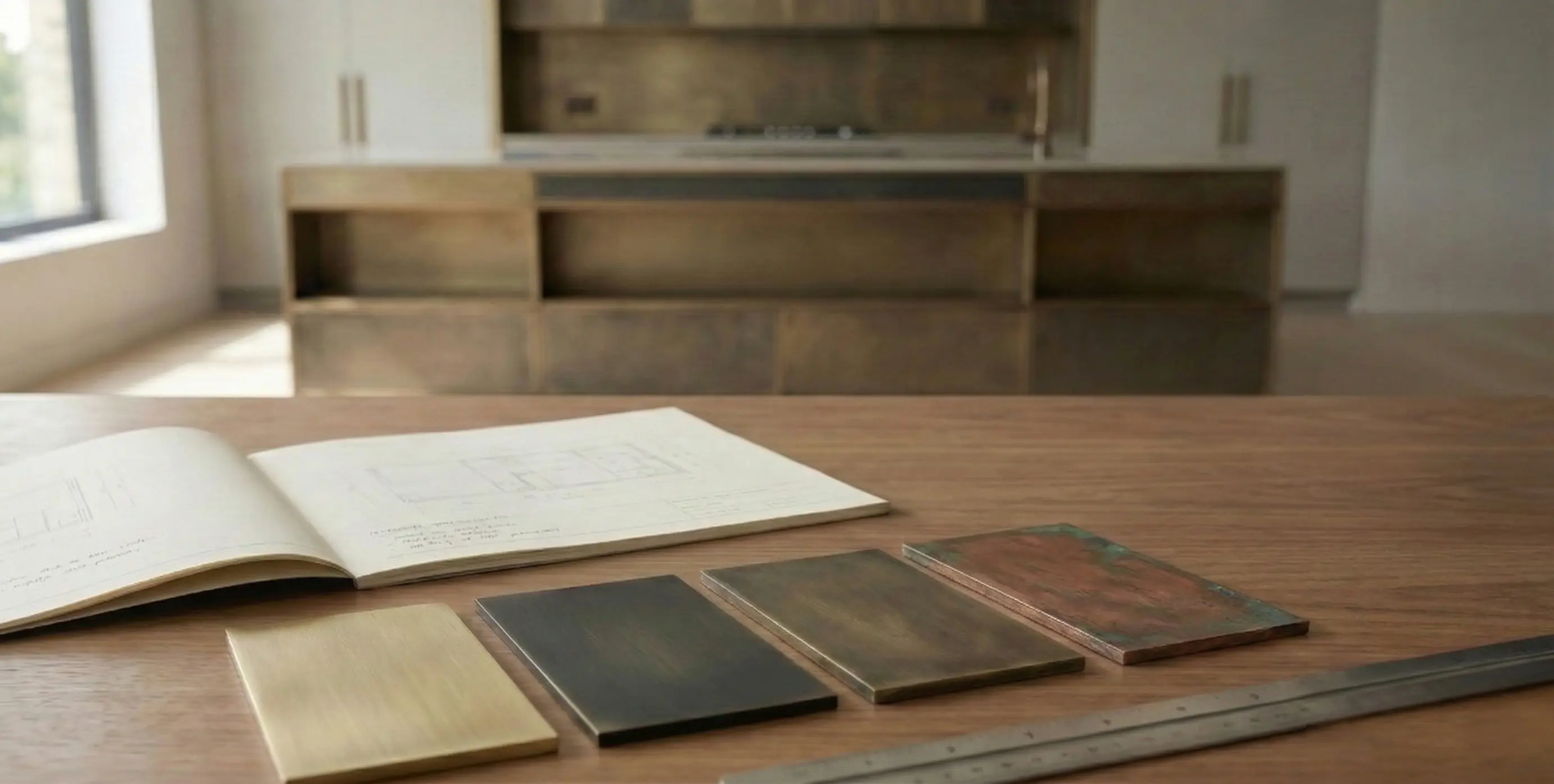
Share your substrate, geometry, and use zone, and we will help confirm the right method for a consistent result. Request samples, discuss interior or exterior suitability, and coordinate the finish alongside adjacent stone, wood, and painted surfaces.
שלח לנו וואטסאפ