Copper Tiffany Patina brings a cool, luminous patina language into contemporary space, where metal reads less as ornament and more as atmosphere. The surface settles into a sea glass palette of turquoise and soft teal, with darker mineral shadows that move gently across the panel. It is a real metal finish, developed on copper and refined through controlled patina work, then stabilized through finishing so the character remains intentional rather than accidental. The same visual direction can be specified through different Modulux technologies, which you can review under Modulux Services when you are coordinating substrates, edges, and geometry. In interiors, this patina works as a calm counterpoint to timber, plaster, stone, and dark joinery, bringing depth to cabinet fronts, feature panels, and touchpoints without relying on high gloss. In architectural applications, it scales into portals, soffits, cladding accents, and sculptural details where changing light reveals the layered tonality. For a closer look at how patinas are developed, conditioned, and sealed for consistency, explore related process articles in חדשות. The result is a composed copper presence that feels tactile, restrained, and quietly site specific.
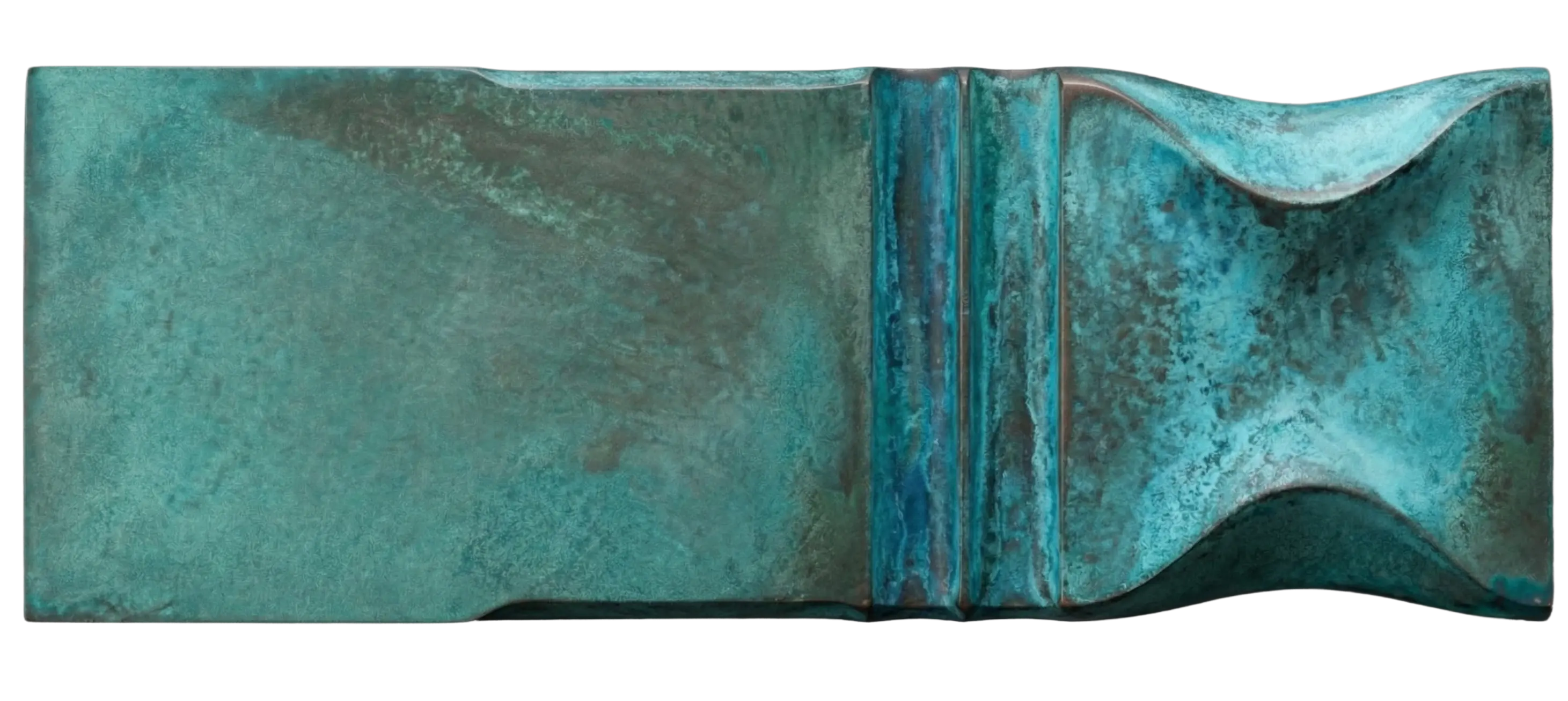
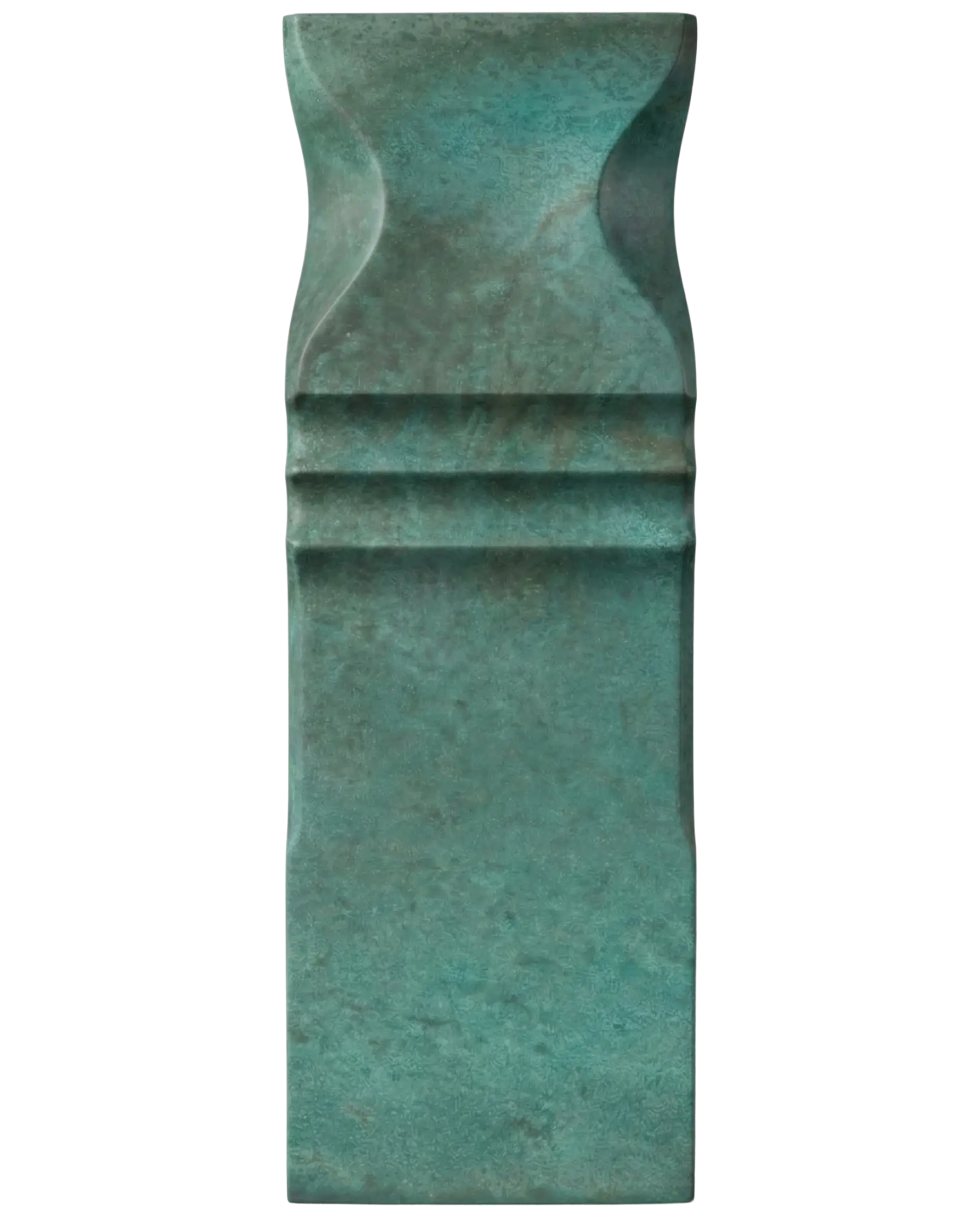
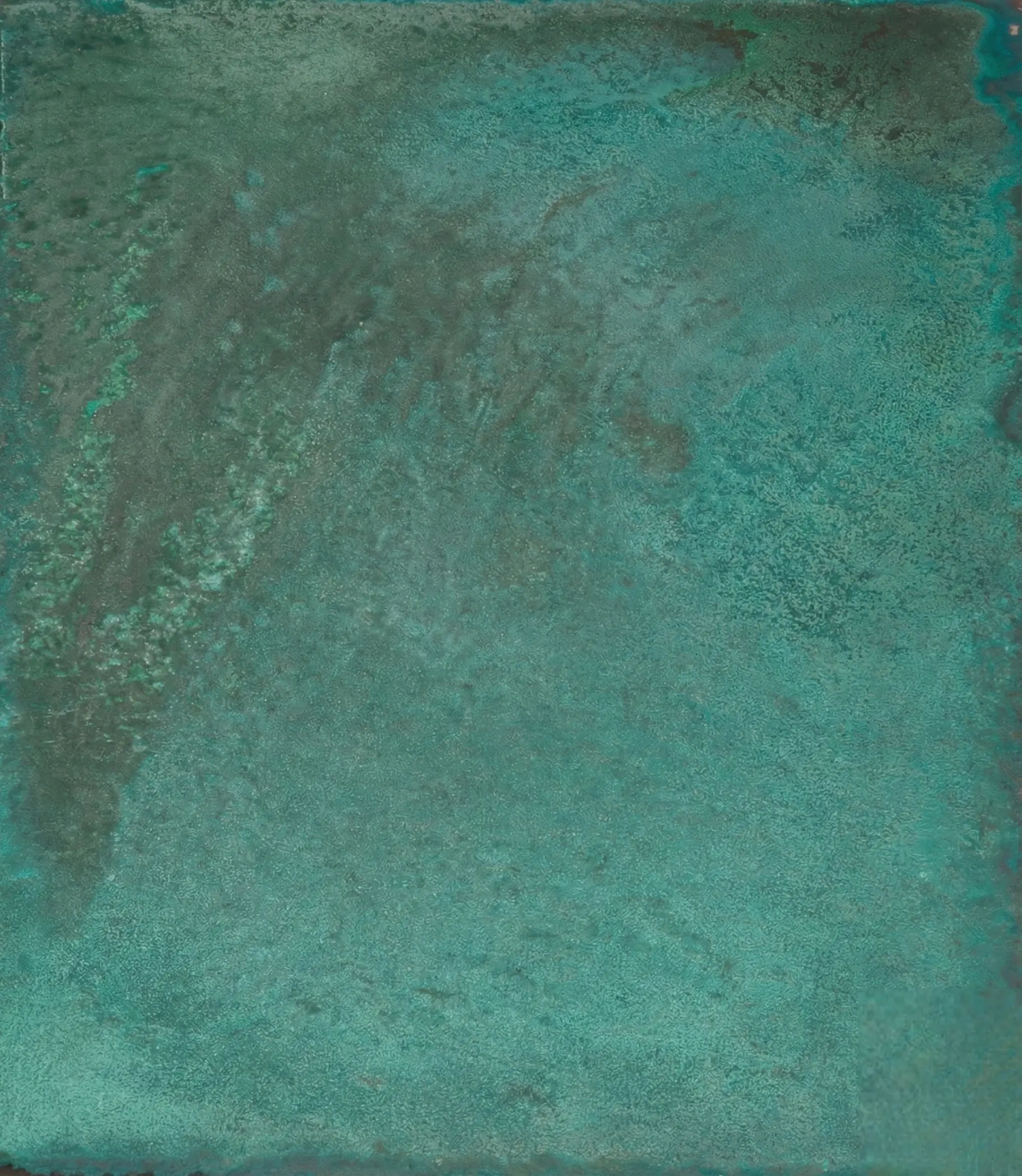
In interiors, Copper Tiffany Patina is well suited to moments where you want cool color depth without a painted look. Specify it on cabinet fronts, kitchen islands, vanity faces, wall panels, display niches, shelving backdrops, reception desks, bar fronts, fireplace surrounds, and integrated door pulls where the patina can be experienced at arm’s length and under changing lighting.
In architectural and larger scale applications, it can be carried into entry portals, elevator lobby features, column wraps, soffit and ceiling details, wall cladding fields, staircase balustrade panels, signage and wayfinding elements, facade accents, and custom screens where the turquoise and teal notes shift from distance to close view. This finish language can be produced via MetaliQ, TruMetal, traditional metal finishing, or a LuxCoat interpretation, allowing the same patina character to be specified across MDF, composites, metal fabrications, and complex geometries including flat planes, sharp edges, and curved forms.
Copper Tiffany Patina should be treated as a finished architectural surface. It is typically sealed with a clear protective topcoat selected for the project. For routine care, dust with a clean microfiber cloth and use mild soap with water when needed. Wipe gently, rinse with clean water, and dry thoroughly to prevent residue marks, especially around edges and joints.
Avoid abrasive pads, polishing compounds, metal polishes, acidic cleaners, bleach, and solvent based degreasers, as they can burnish the topcoat or shift the patina tone. In high touch areas, plan on more frequent gentle cleaning to keep oils from building up into glossy spots. If the surface becomes scratched, dulled, or locally worn, do not spot polish. Isolate the area, document the condition, and contact Modulux so the repair approach can be matched to the original finish direction and topcoat system.
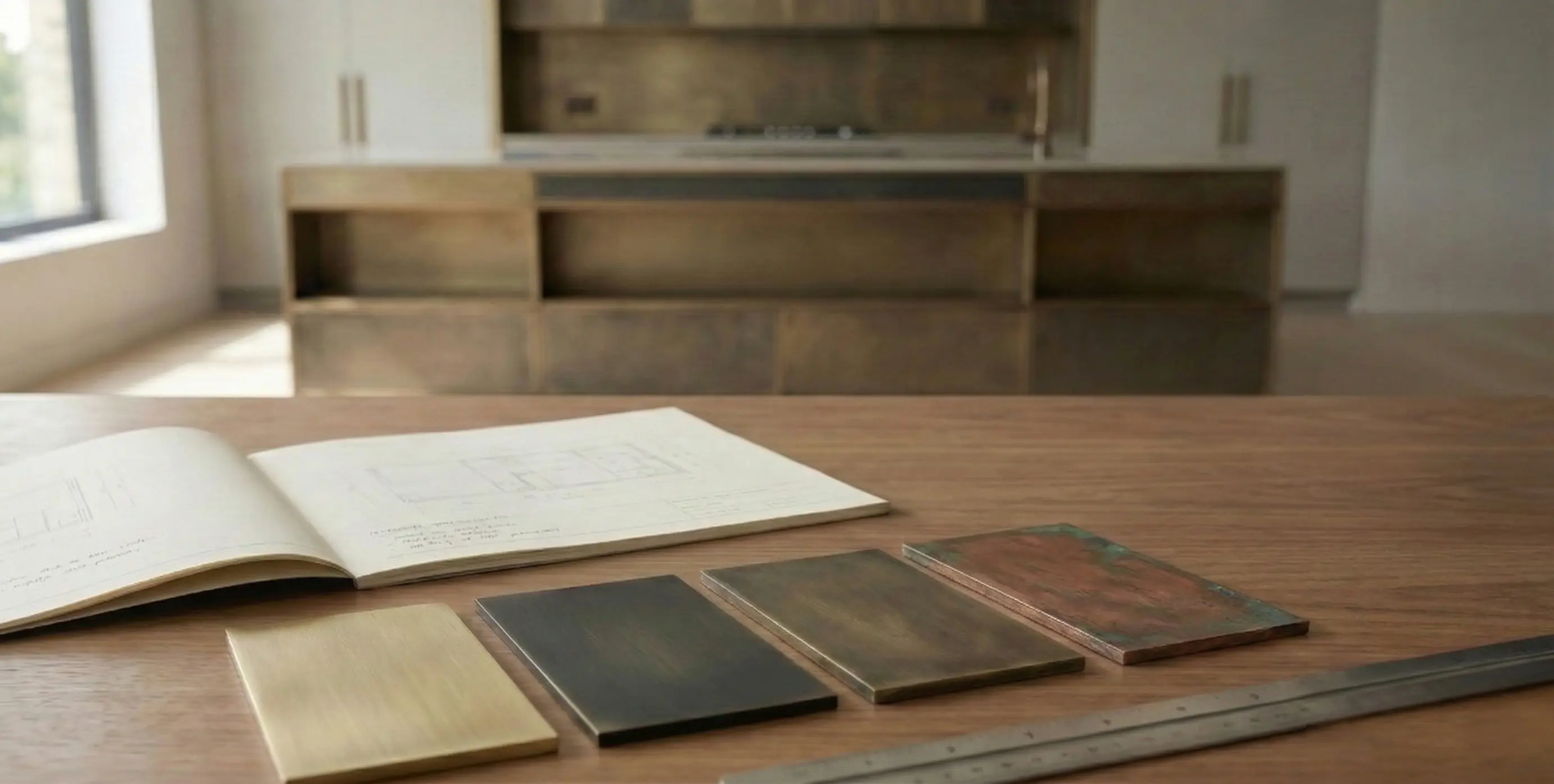
Request samples and share your substrate and geometry so we can confirm the right production method, topcoat direction, and suitability for interior or exterior use, while keeping the patina consistent beside stone, timber, and adjacent metals.
שלח לנו וואטסאפ