Lobby Metal Finishes

Lobby Metal Finishes

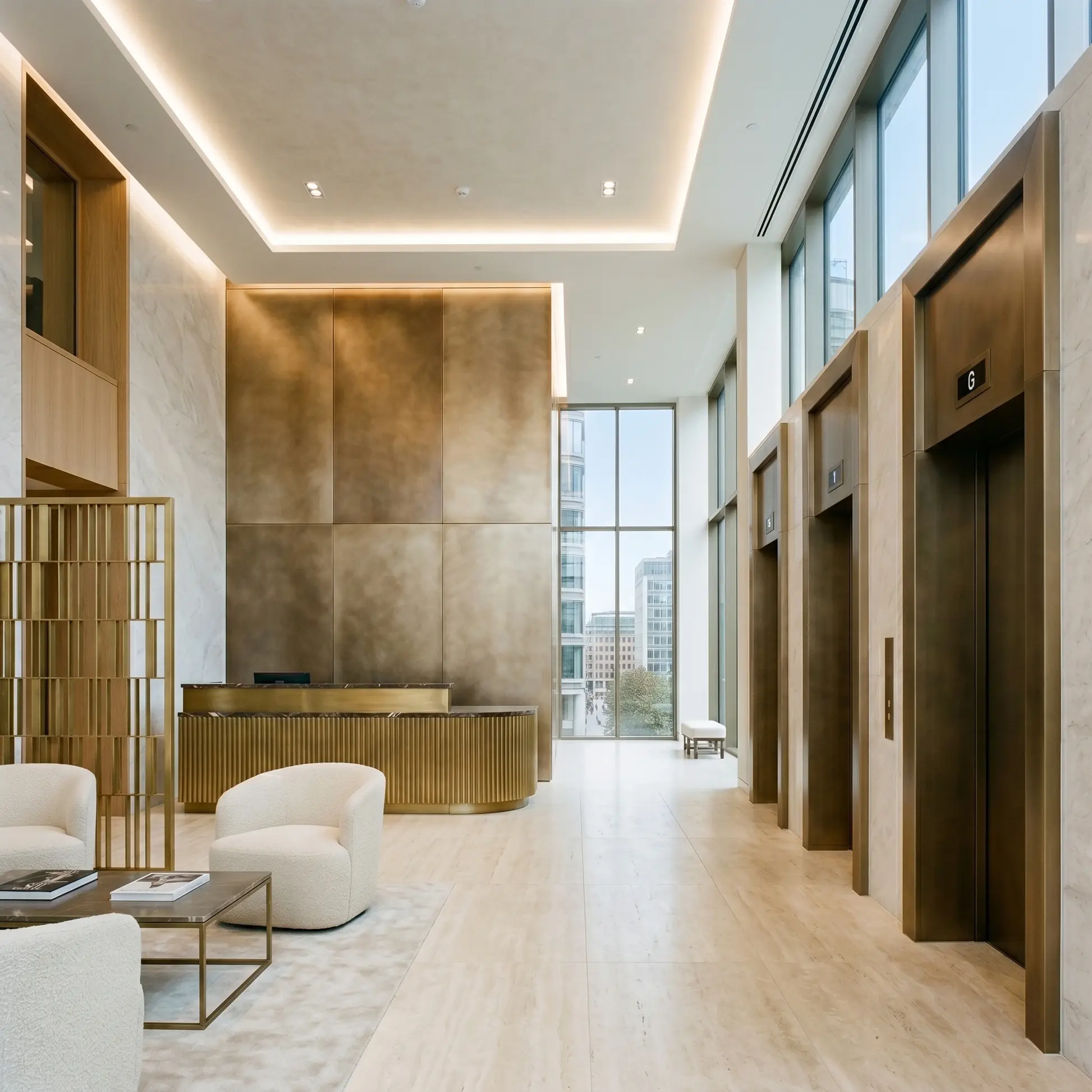
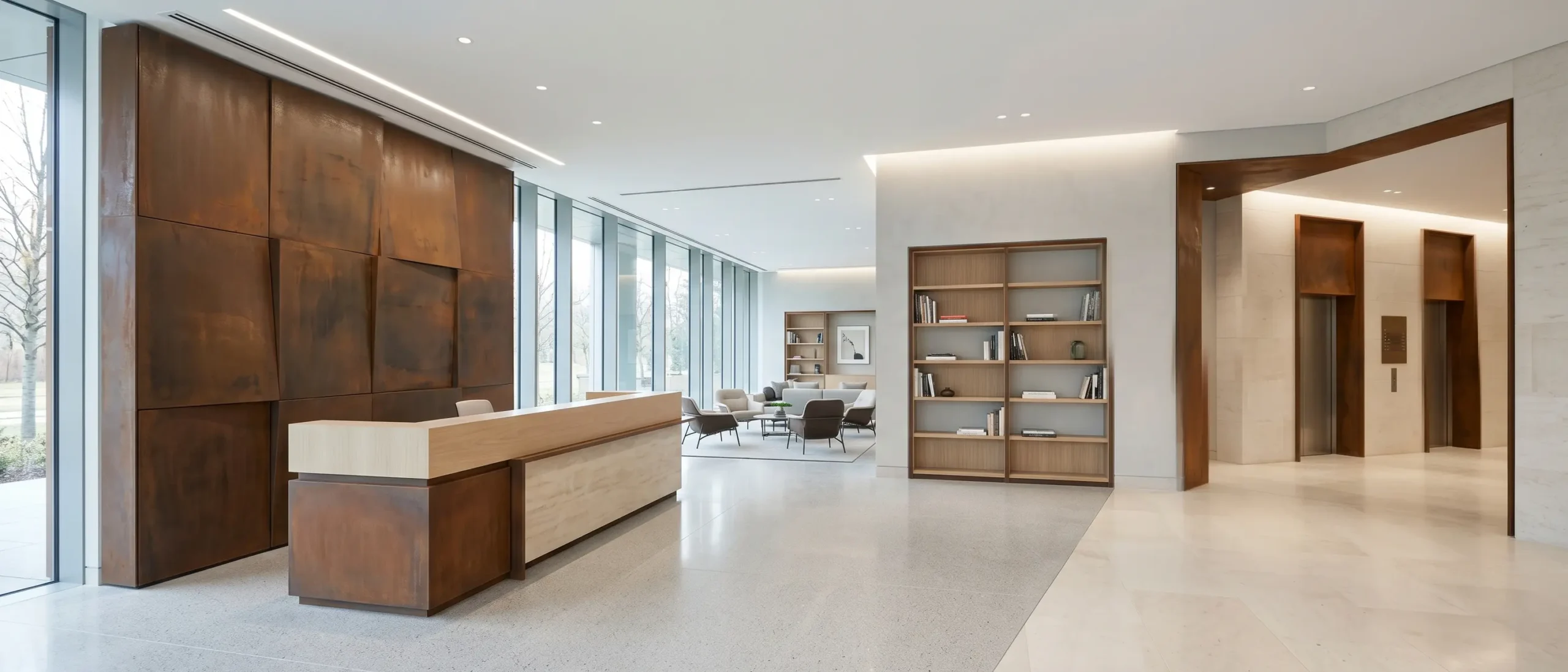
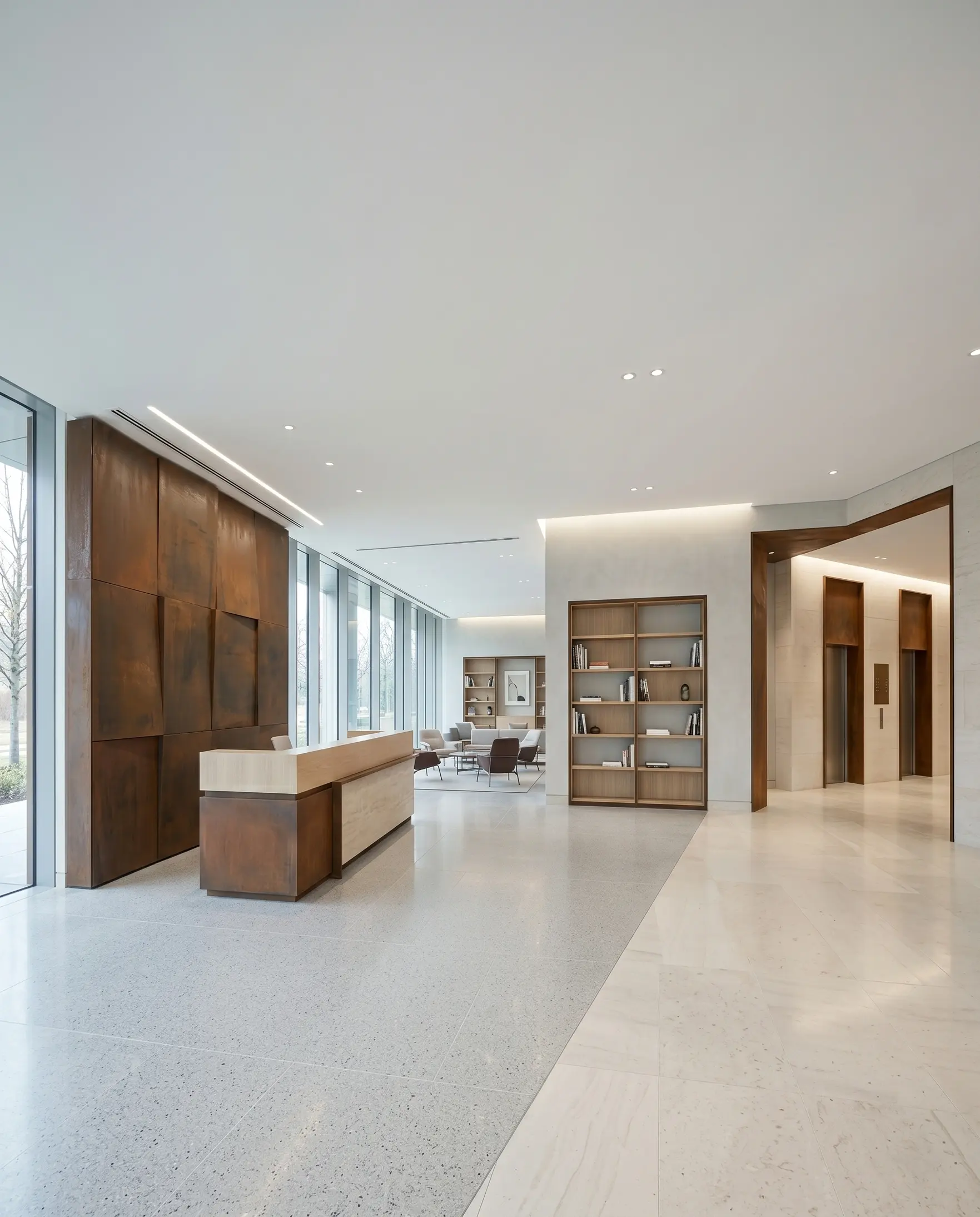
A lobby is the building’s first threshold. It sets the tone for everything that follows, from circulation and scale to the tactile moments of arrival. When metal is specified here, it cannot behave like decoration. It has to hold light, wear, and proportion with the same discipline.
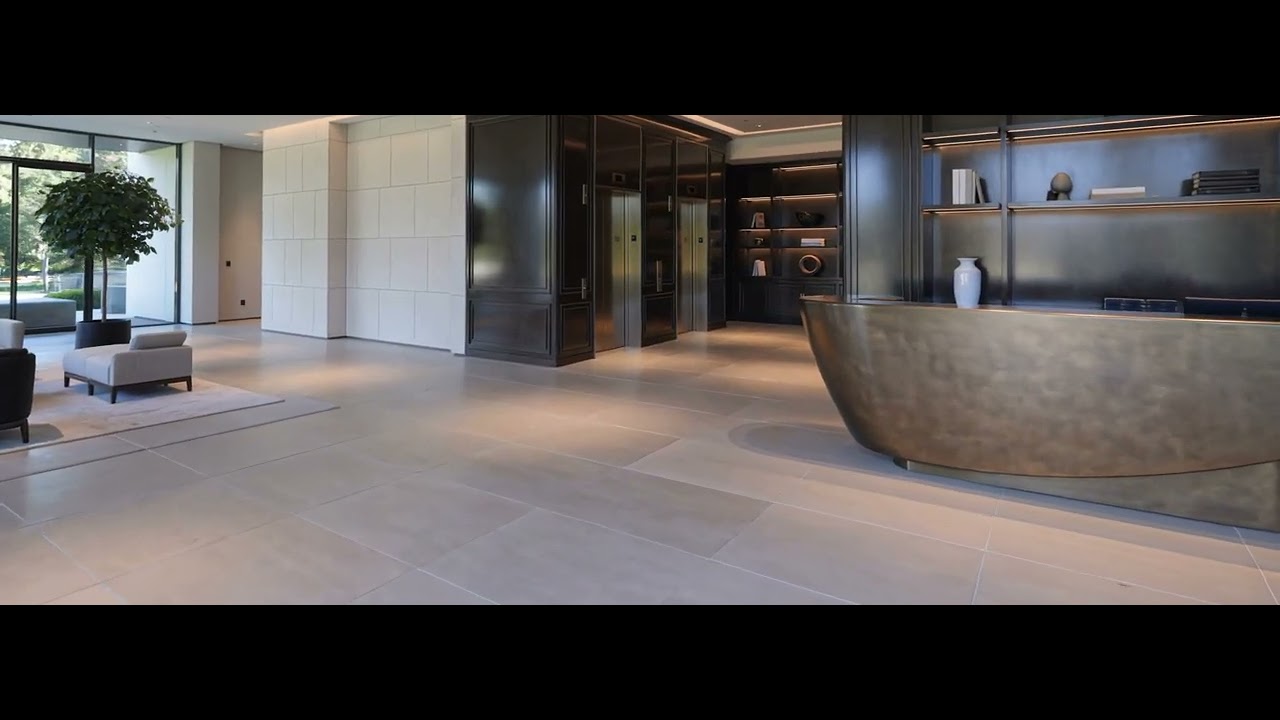
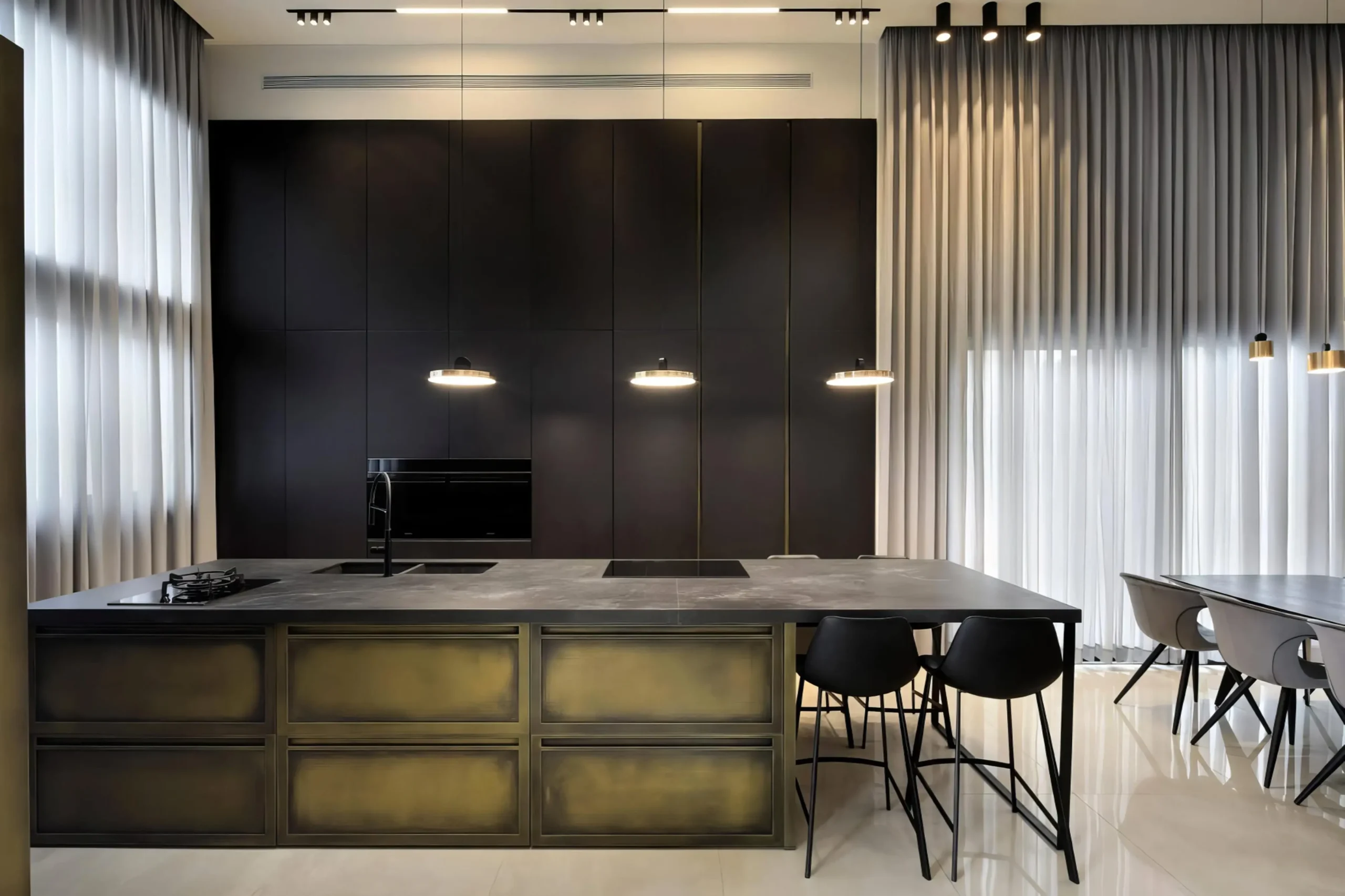
Traditional metal fabrication can introduce weight, seams, corrosion risk, and compromises around complex geometry and installation. Modulux is often specified when the design intent calls for a continuous metal language across focal walls, reception elements, columns, and elevator surrounds, without letting construction constraints dictate the visual outcome.

Specify One Metal Language

In lobby environments, consistency is the true luxury. The finish needs to read as one decision across different elements, trades, and lighting conditions. Modulux supports this with sample led alignment, controlled sheen, and repeatable finishing logic, so walls, portals, and touchpoints remain coherent from the first mockup to the final install.

Design Advantages

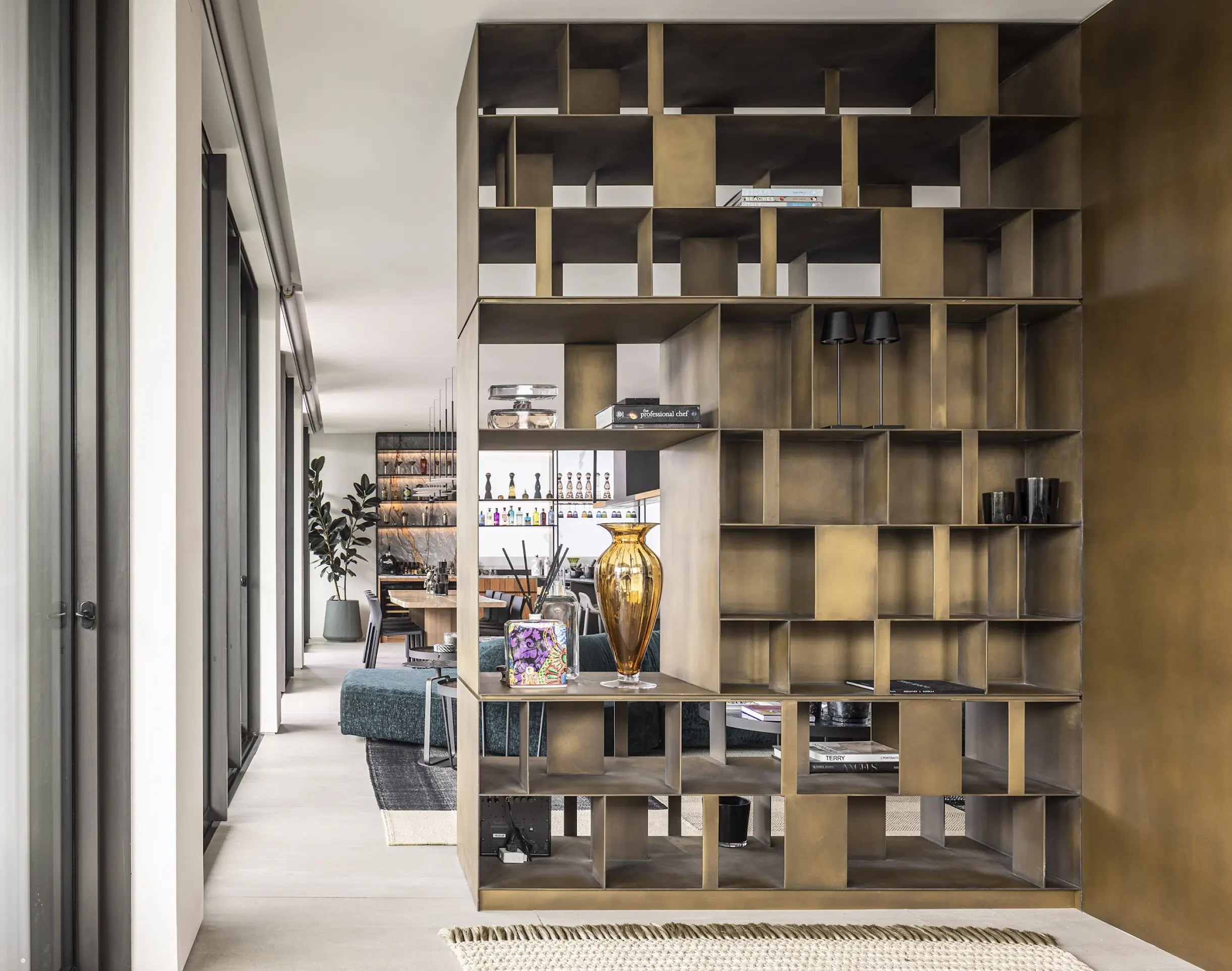
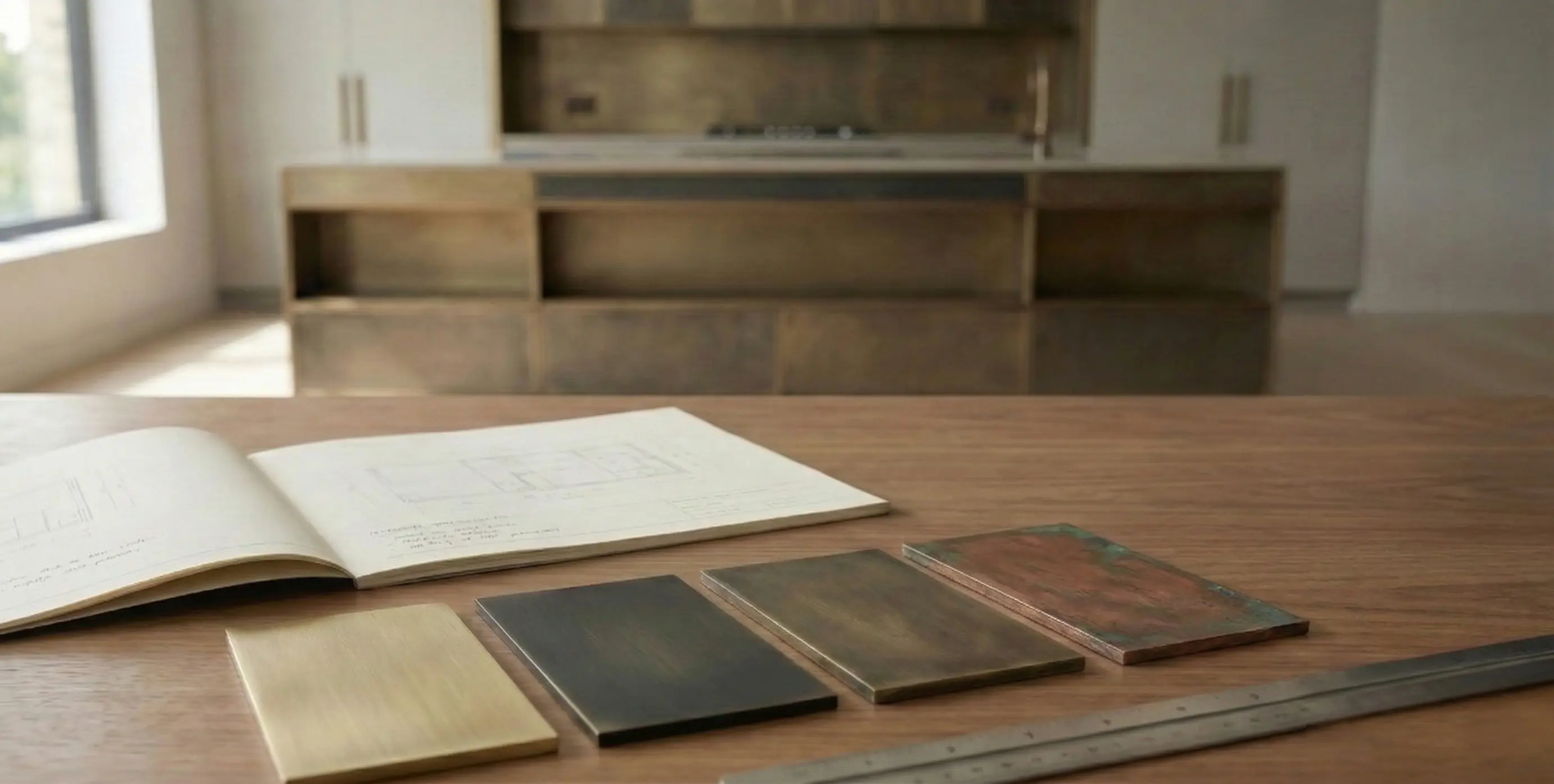
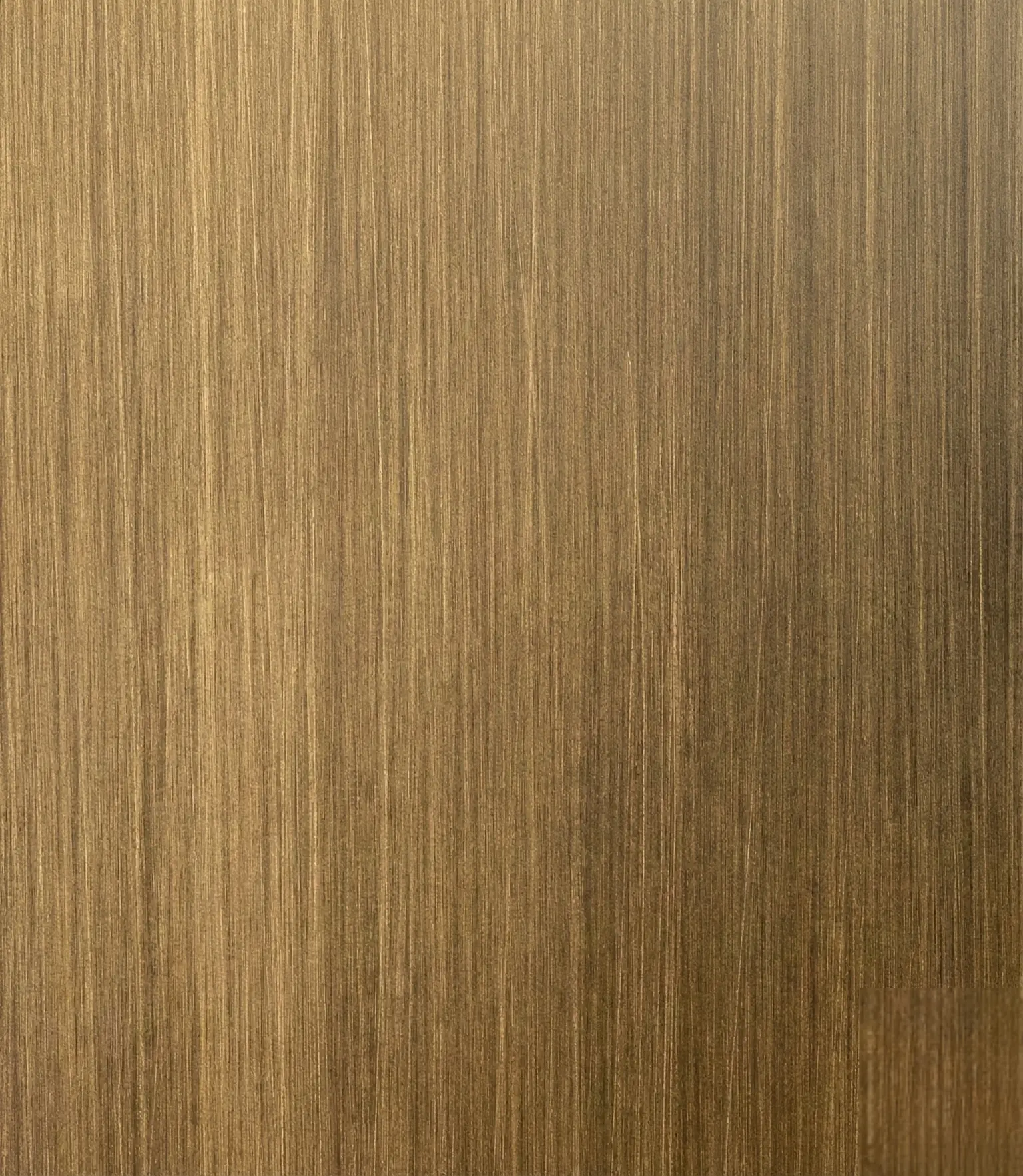
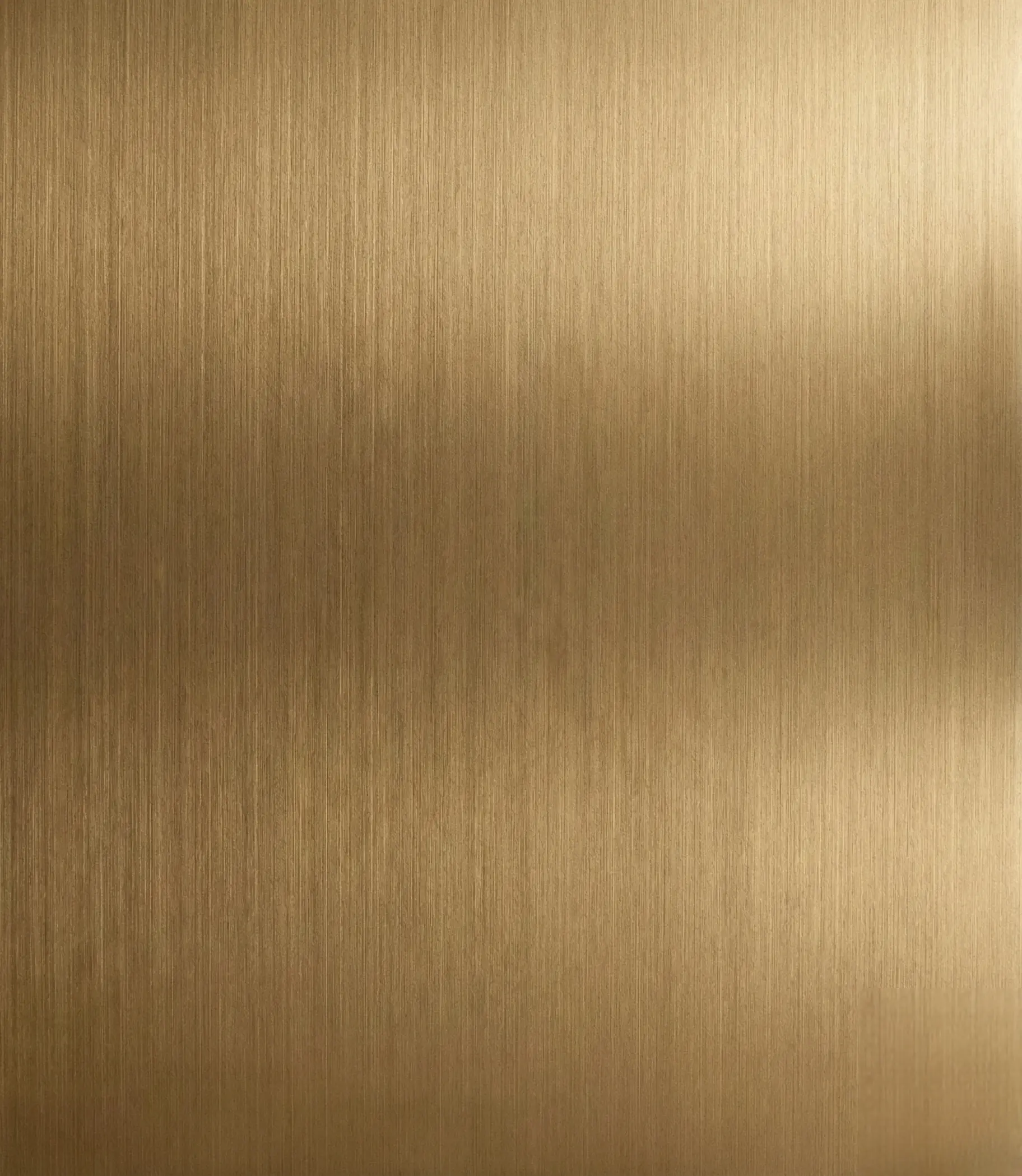
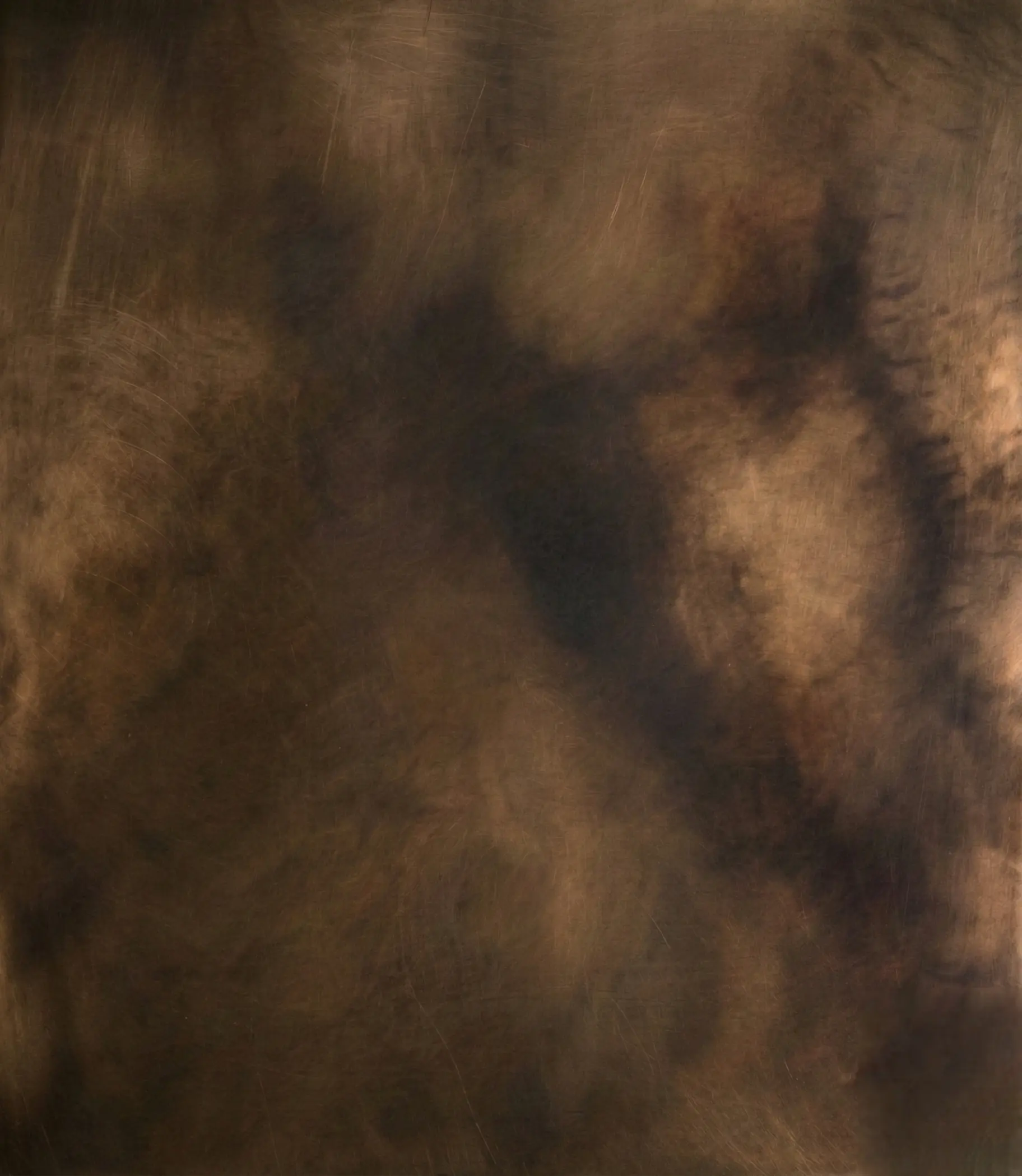
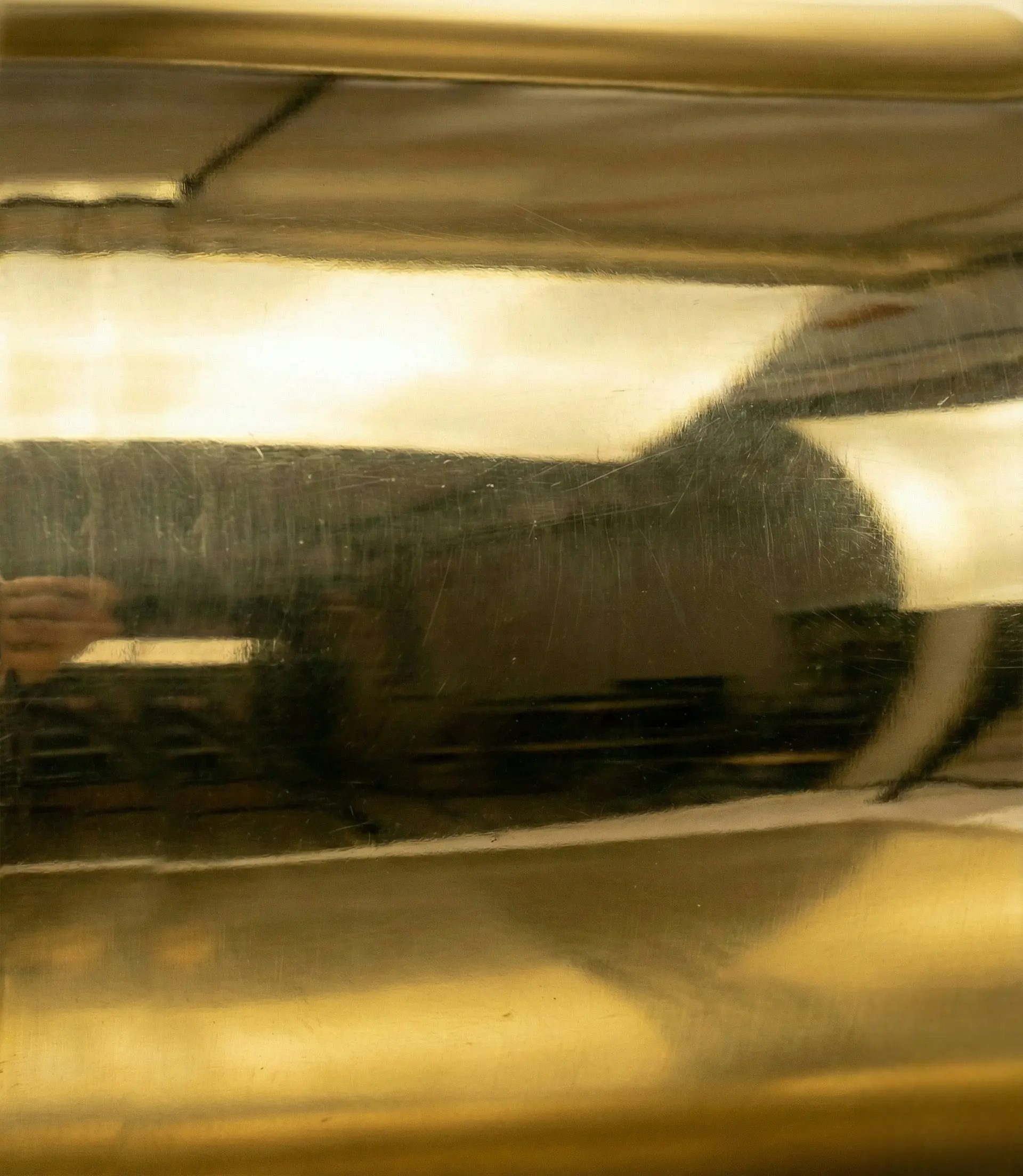
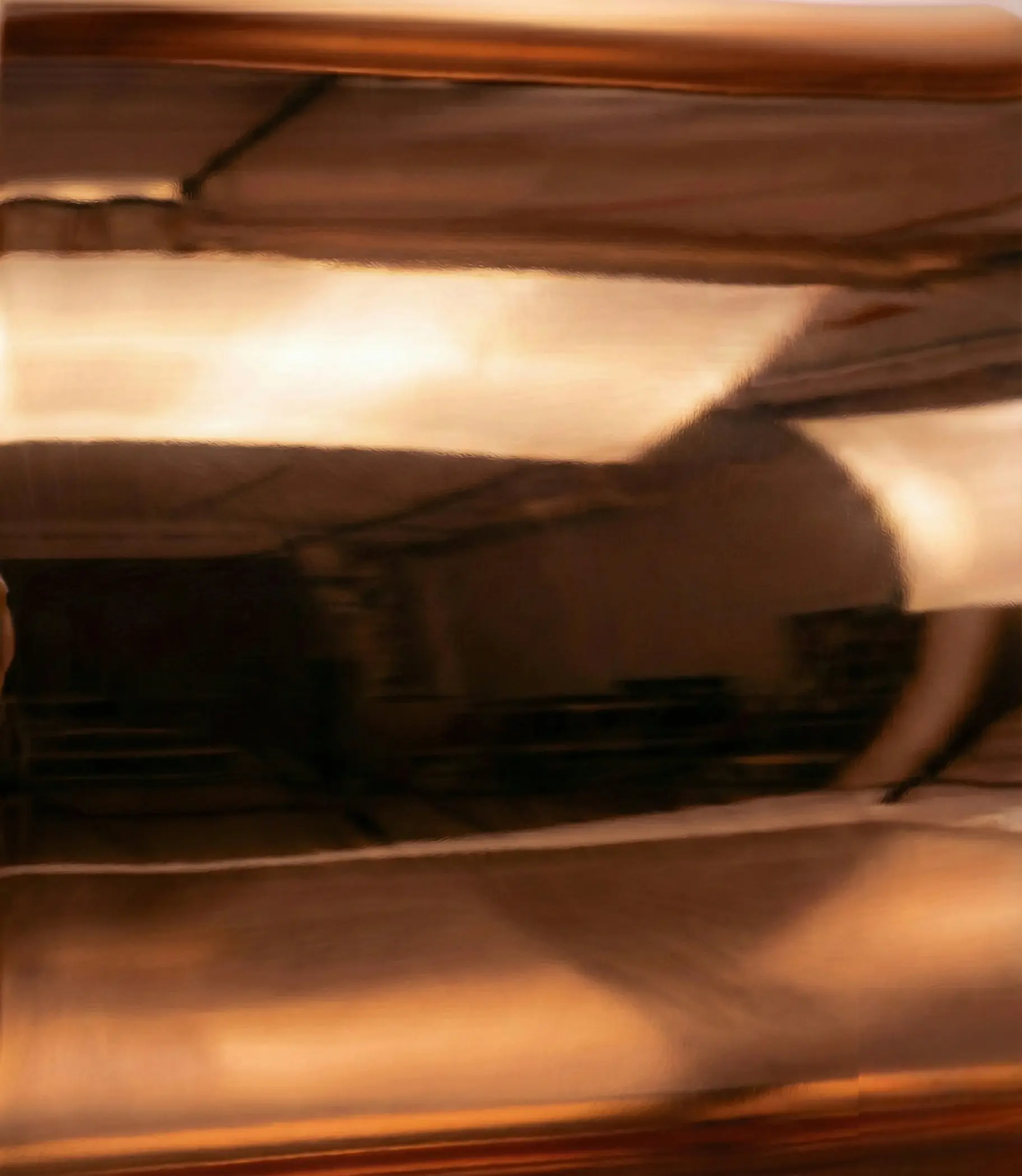
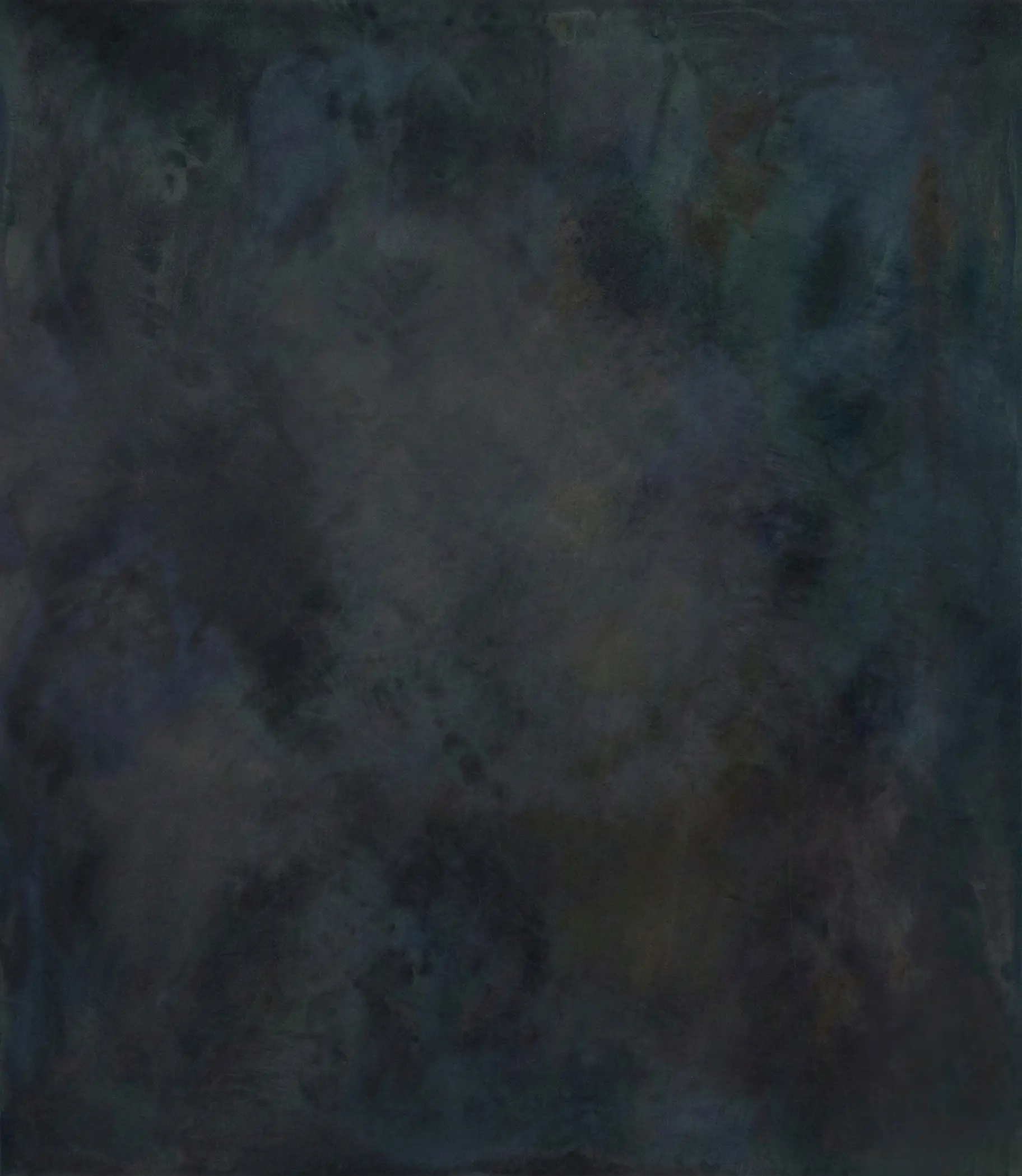
Lobby metals should be specified by light behavior, not by generic color names. Establish where daylight grazes surfaces, where artificial lighting creates hotspots, and where reflections must be softened. Define the finish intent as a combination of tone, texture, and sheen control, then anchor decisions to a physical reference sample. This allows MetaliQ Liquid Metal Coatings, TruMetal Arc Wire Coatings, Finishes on Traditional Metals, or LuxCoat Wet Coatings to be selected as the most buildable path while holding one visual language across the entry sequence.

Common Applications for Lobby Design

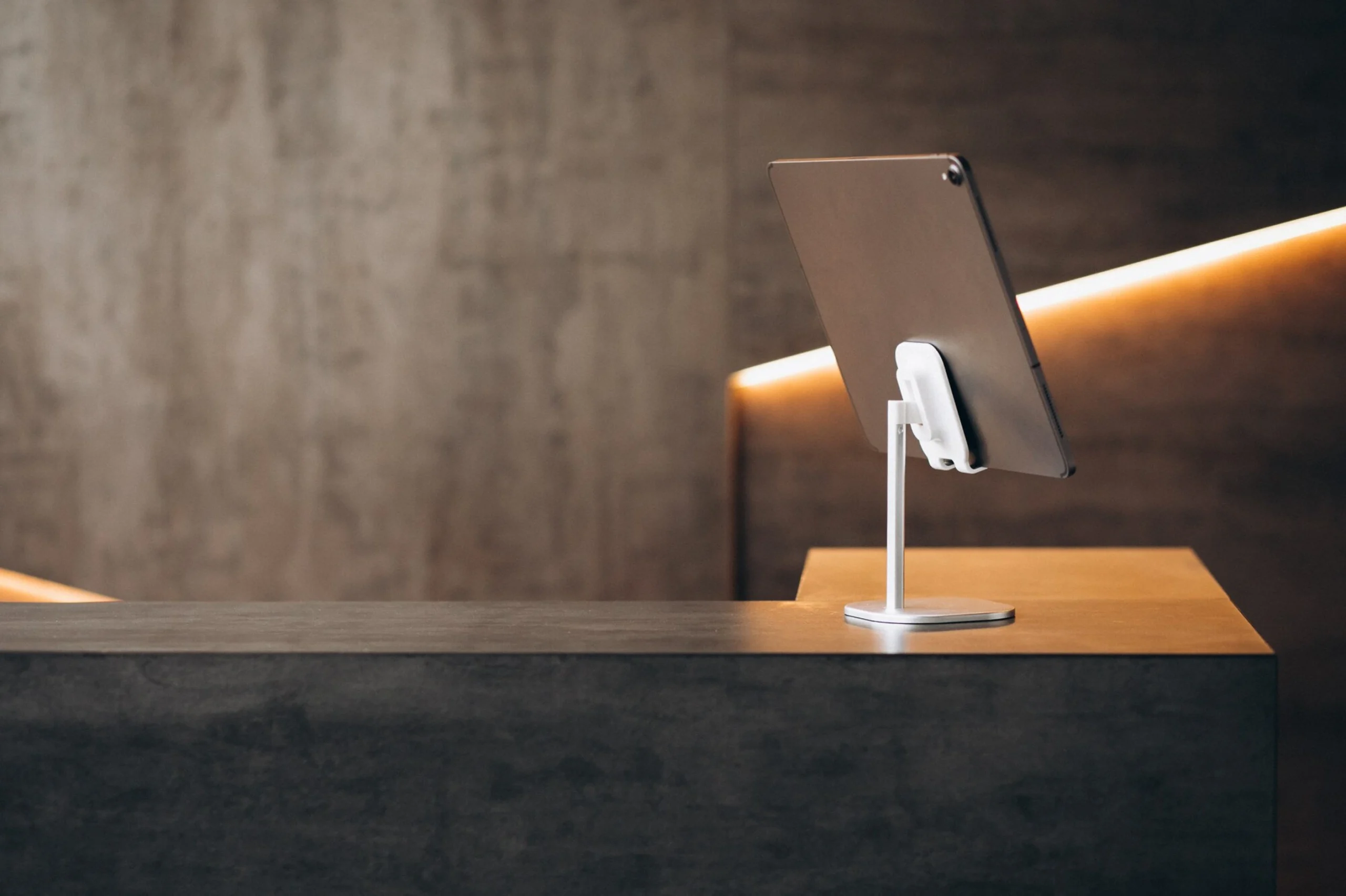
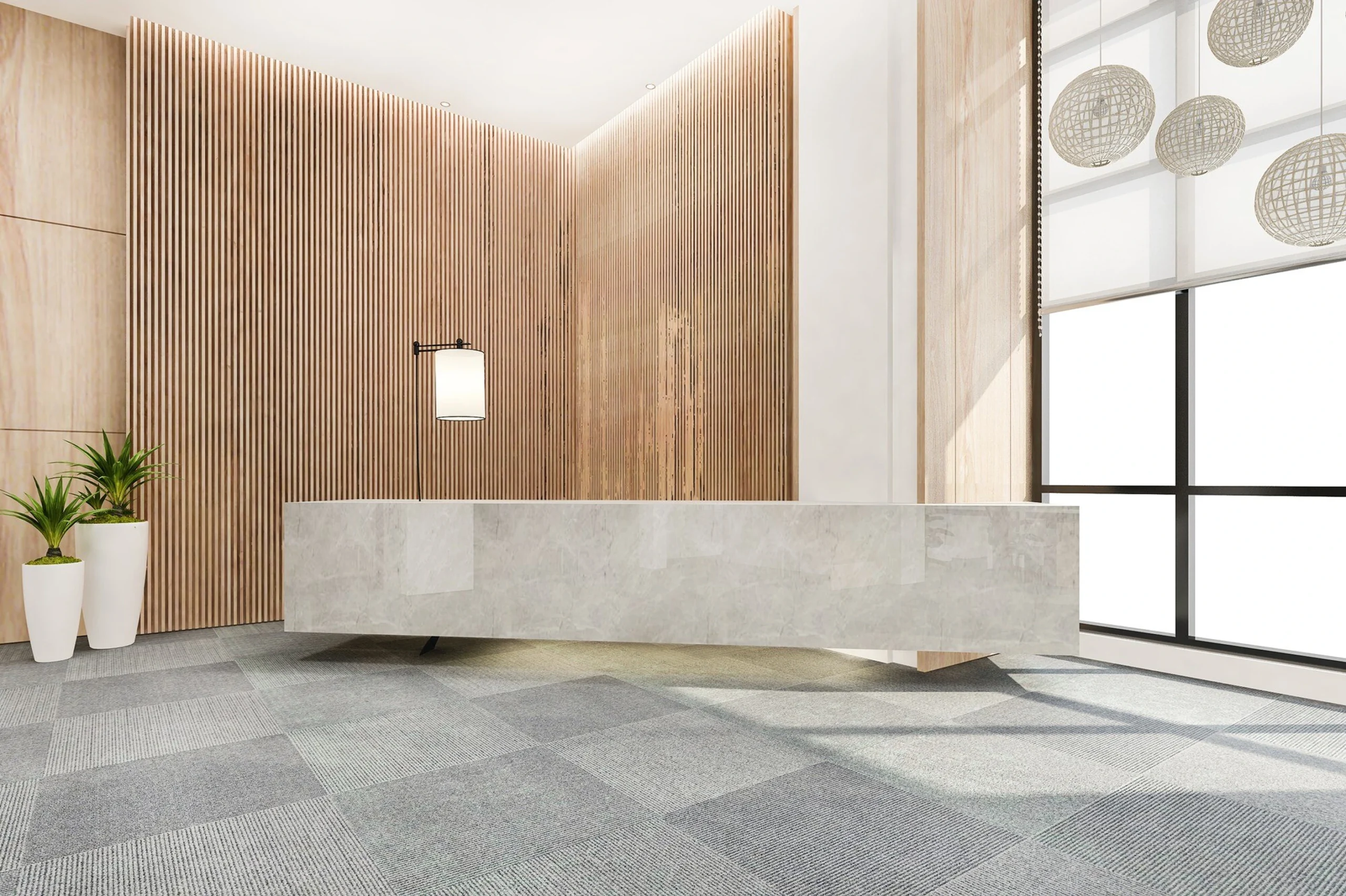
Custom reception desks are suitable for a wide range of applications:

Project Workflow

Define which lobby elements carry the metal language and which remain supporting materials. Typical targets include focal walls, reception desks, column cladding, waiting area features, and elevator facades. Confirm viewing distances and lighting conditions for each element. Then decide where a seamless coating direction is preferred, where an arc wire metal layer is more appropriate, and where finishing directly on real metal is required for fabricated components.

Lobby Design Application Process

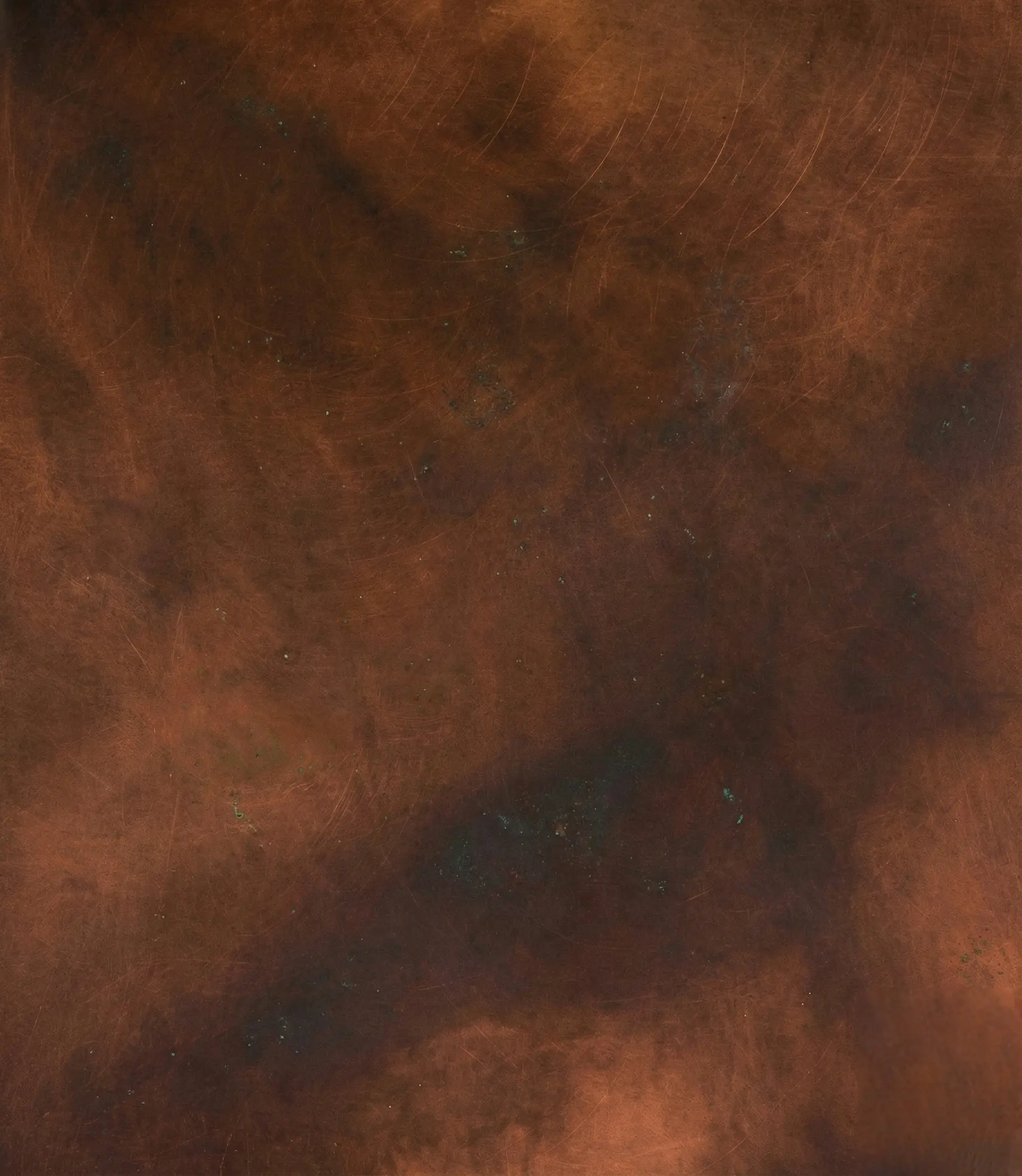
In lobby environments, finish selection begins with the element map, then moves to sample alignment under real lighting. Surfaces are prepared to support clean edges and stable reflectivity, with corners and reveals treated as part of the geometry. MetaliQ Liquid Metal Coatings are often chosen when a seamless metal surface is required across complex forms. TruMetal Arc Wire Coatings can be specified where a real metal layer is needed for durability and then refined into an architectural finish. Finishes on Traditional Metals serve fabricated brass, bronze, copper, steel, or stainless elements that require controlled brushing, patina, and sealing. LuxCoat Wet Coatings support disciplined color and sheen consistency where a wet coating build is the most practical route. Sealing and sheen control remain project specific.

Frequently Asked Questions

Substrate suitability is confirmed during sampling and depends on the chosen system. MetaliQ can be applied to prepared substrates such as MDF, wood, composites, stone, and existing metal where appropriate. Finishes on Traditional Metals require real metal substrates. Share your substrate list early for verification.

Sample Projects of Lobby Design

Project references are available upon request. Share your lobby scope, target finishes, and substrate list, and Modulux can provide relevant examples with comparable lighting conditions, geometry, and touch zones.

Request finish samples to review tone and sheen under your lobby lighting. For specification support, share your element list, substrates, and performance context, and we will recommend a buildable path across MetaliQ, TruMetal, traditional metal finishing, or LuxCoat.