Metal Kitchen Fronts

Metal Kitchen Fronts

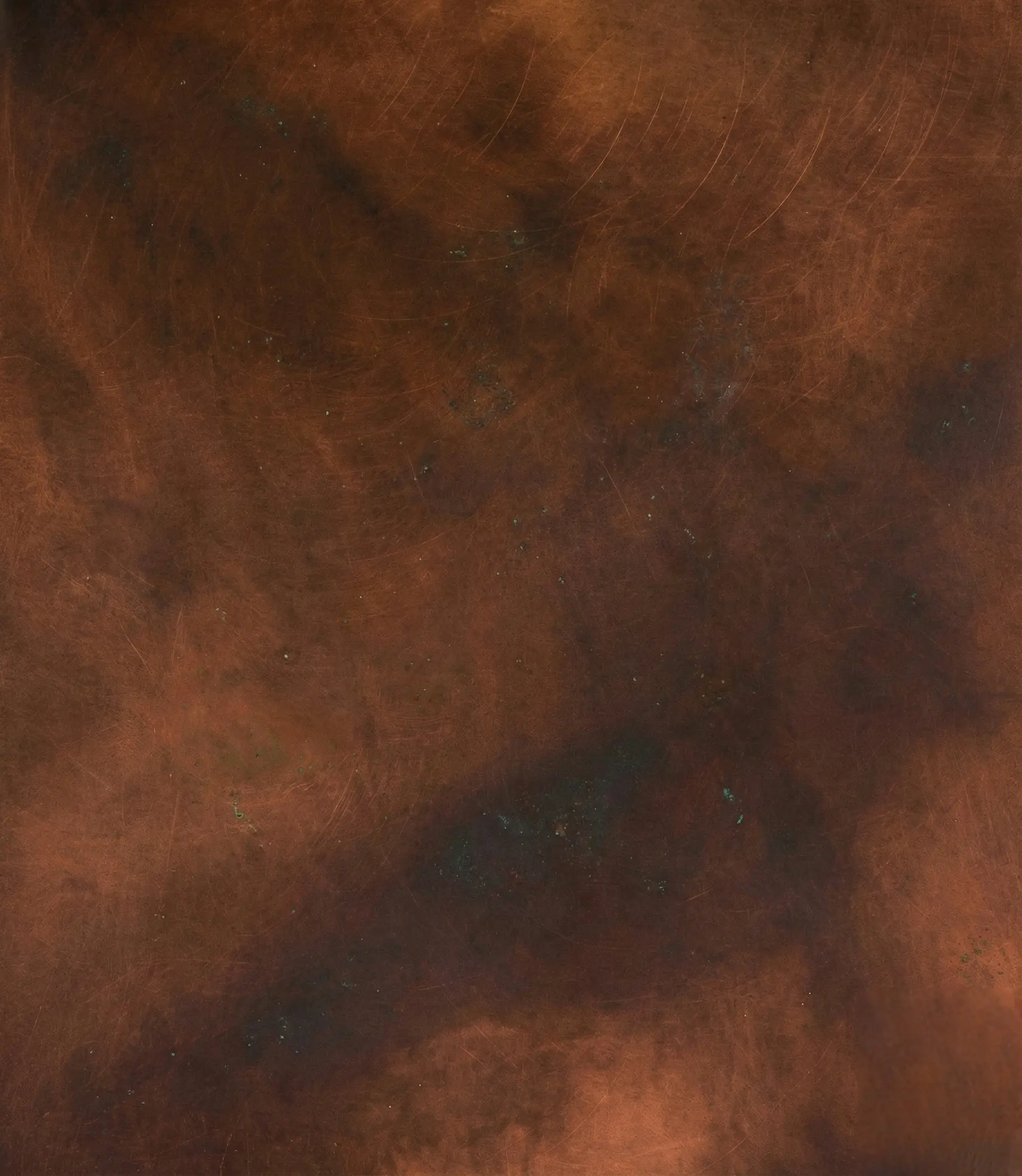
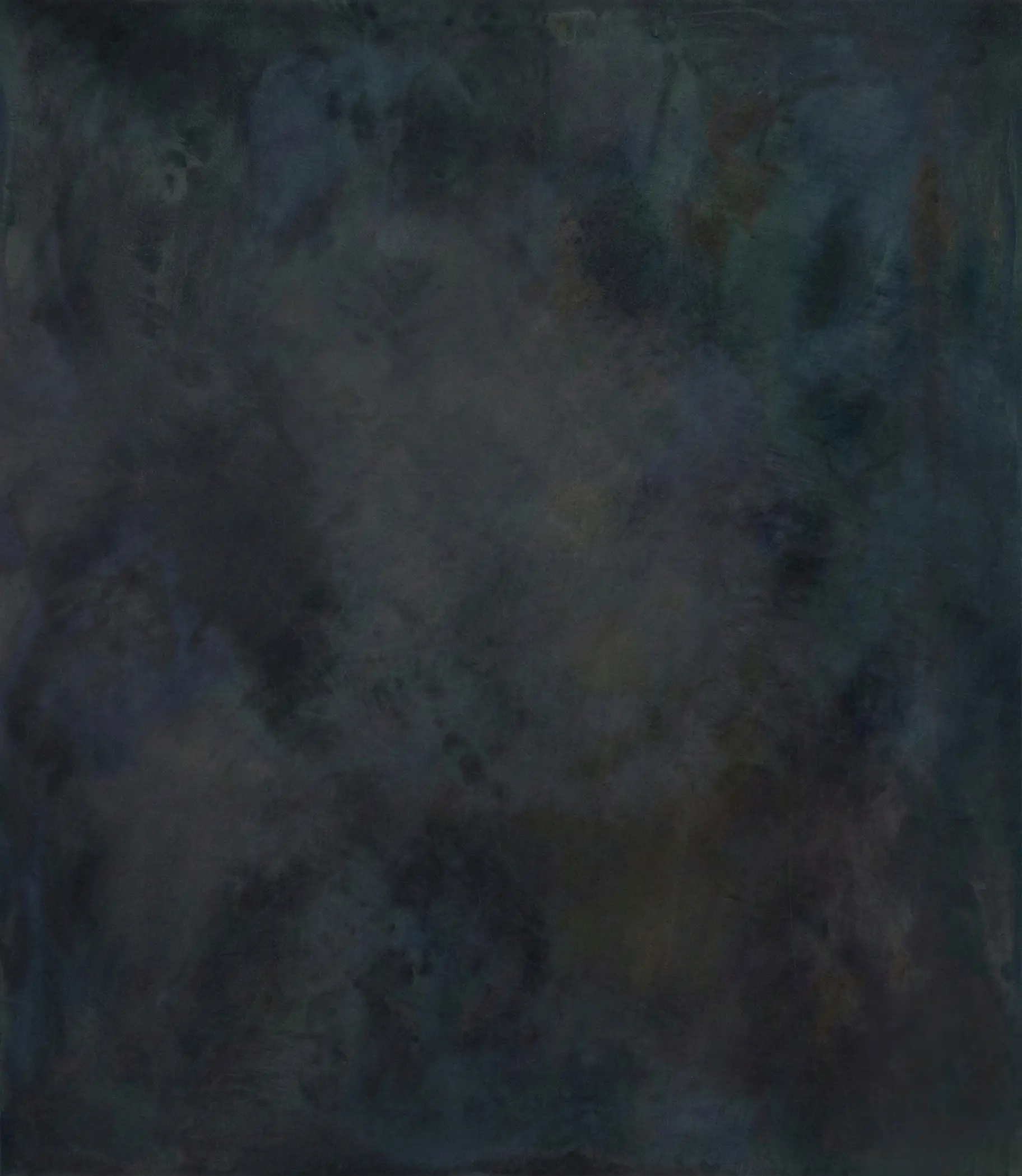
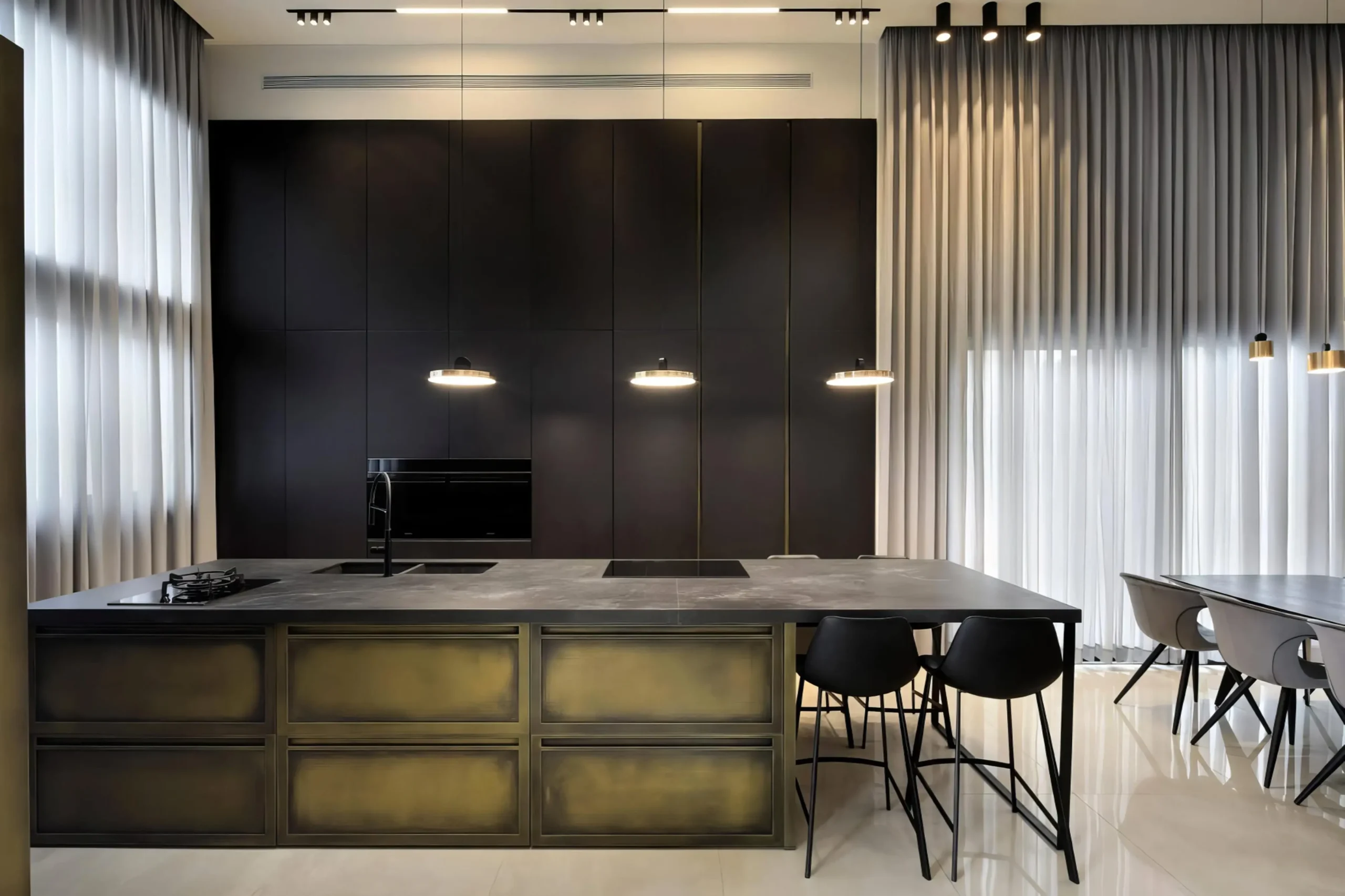
In kitchens, metal is not a detail. It is a surface that catches morning light, carries fingerprints, and sits beside timber, stone, and glass without losing its clarity. Liquid metal coating allows cabinet fronts and furniture to read as crafted metal, while staying disciplined in tone and sheen across the room.
Traditional solid metal solutions can introduce weight, seams, corrosion risk, complex geometry constraints, and installation complexity that conflict with tight tolerances and contemporary joinery. This use case focuses on finish control that feels architectural, not improvised.

Specify for Buildability and Continuity

A kitchen is a coordinated system. Cabinet fronts, island skins, wall accents, and adjacent furniture should share one material logic. Modulux supports specifiers with sample led development, measurable alignment to approved references, and a workflow designed to keep finish consistency across parts, batches, and phased delivery.

Design Advantages

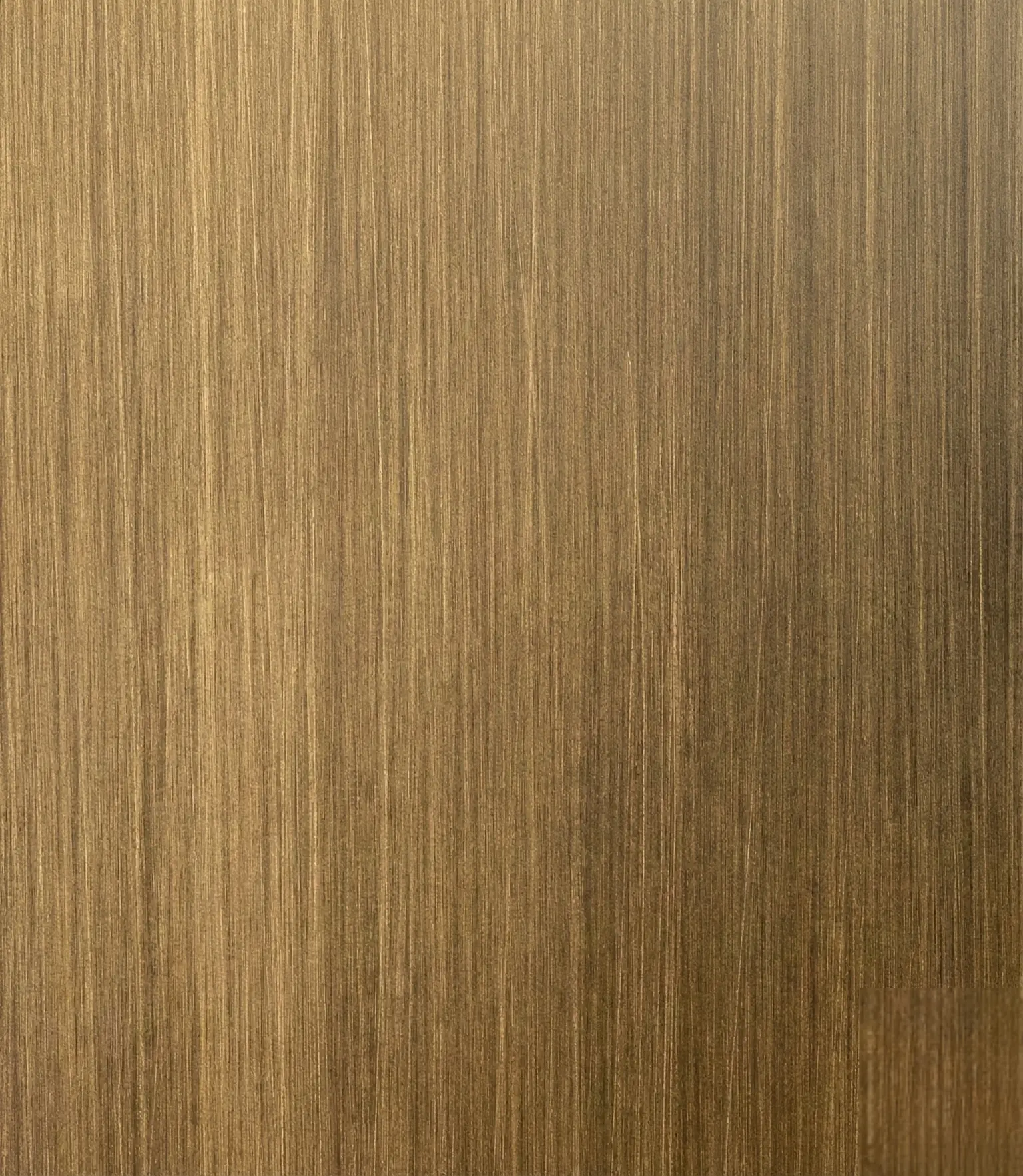
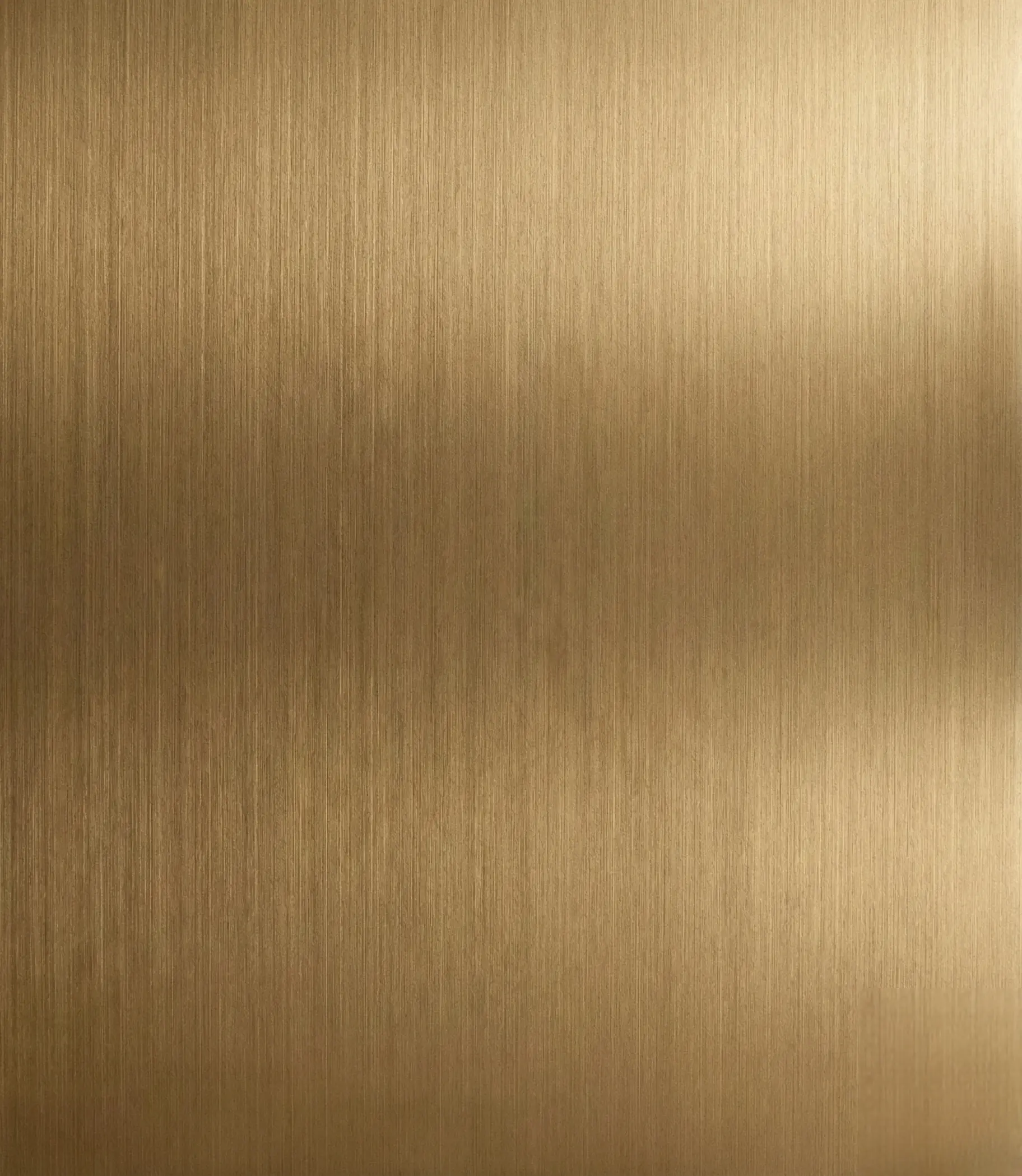
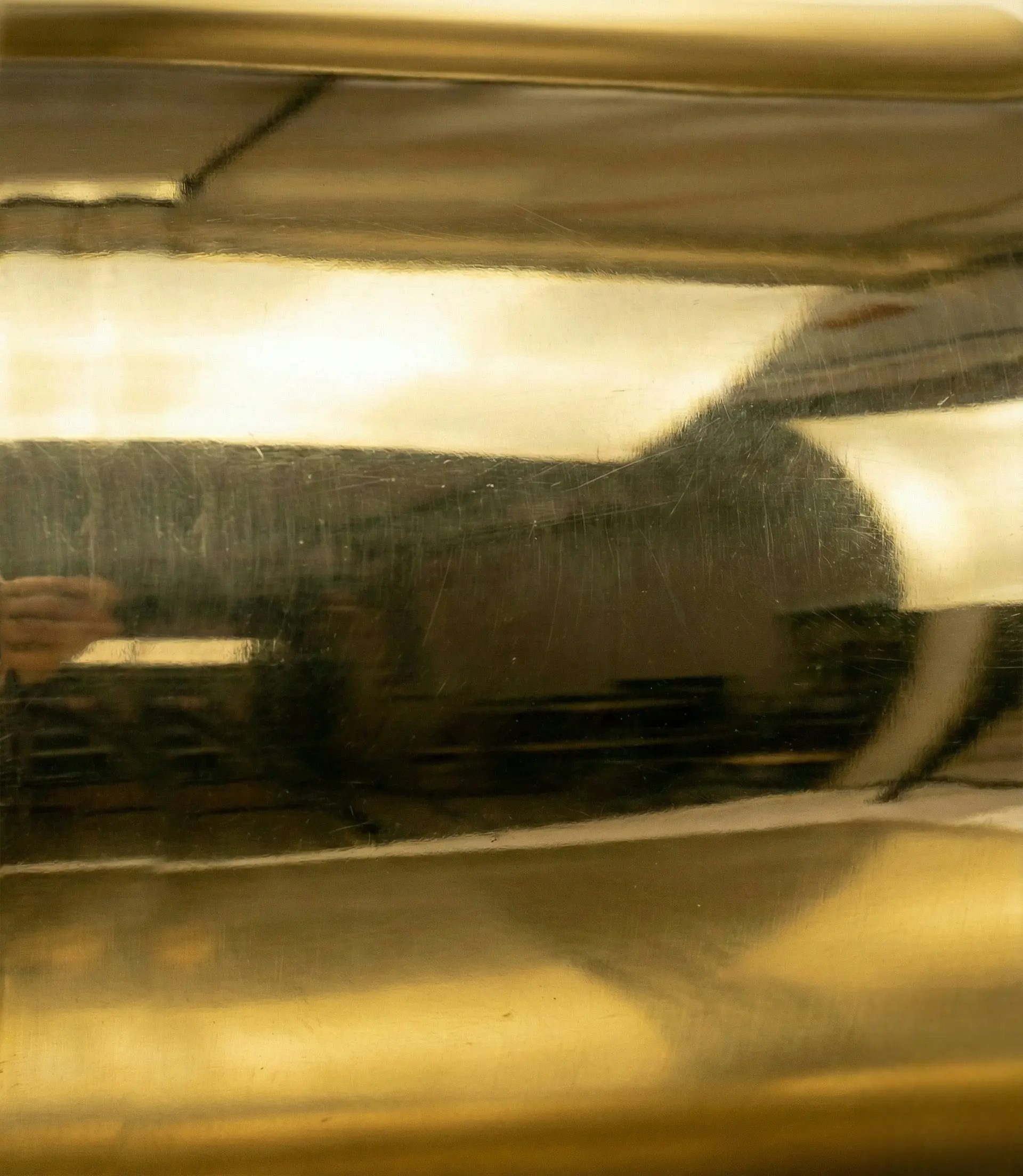
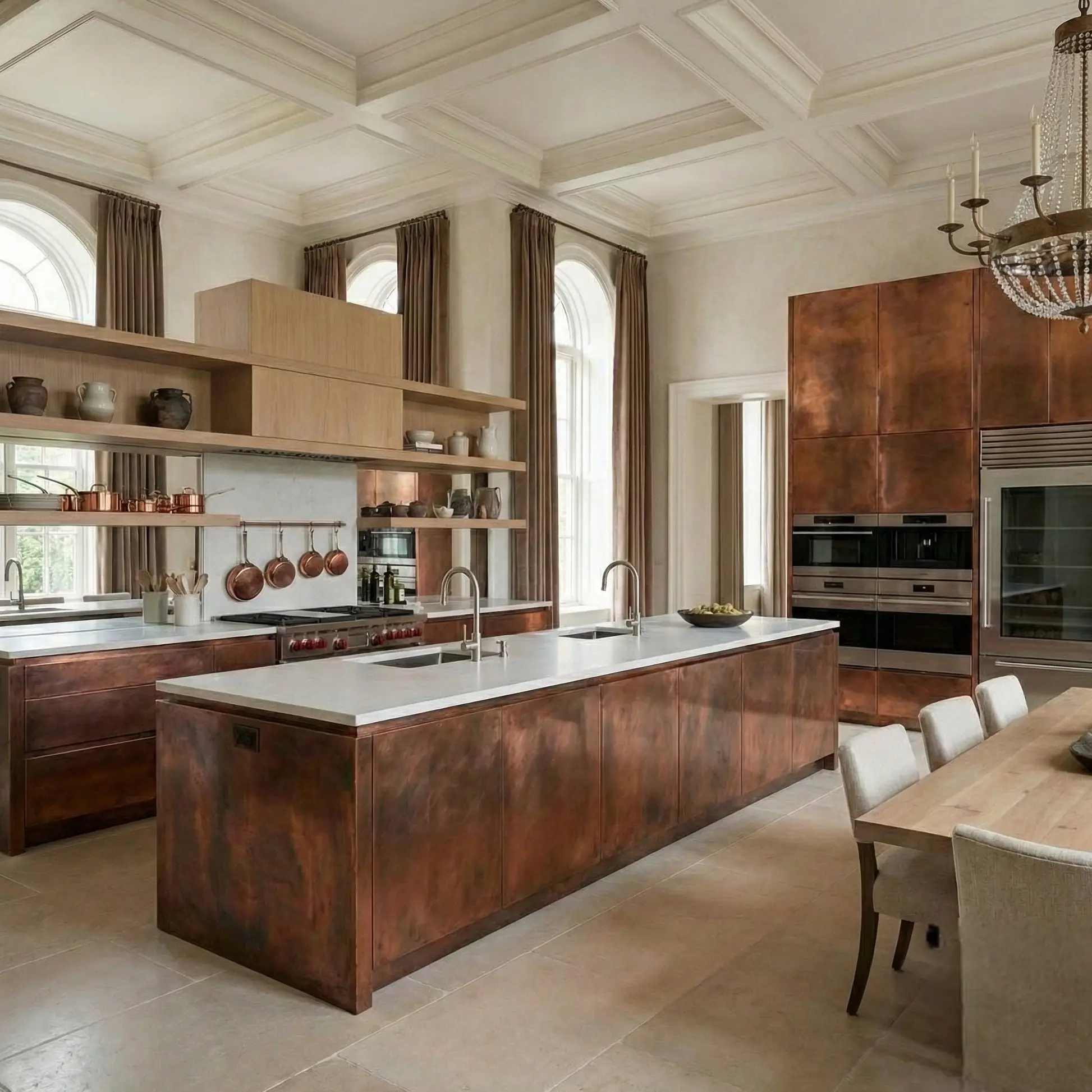
Start with intent, not a finish name. Define where metal should feel warm, where it should feel quieter, and which planes must remain low glare under grazing light. In kitchen cabinetry, this often means controlling reflectivity so doors read continuous, even when lines and reveals are precise. Establish reference samples early and confirm how the metal tone behaves next to stone, timber, and glass. This reduces revisions and protects the design language across the whole elevation.

Common Applications for Metal Kitchen Fronts

Custom reception desks are suitable for a wide range of applications:

Project Workflow

Define the scope as surfaces, not rooms. List cabinet fronts, island skins, work surfaces, wall coverings, and any furniture fronts to be aligned. Identify which elements are high contact and which are primarily visual. Confirm whether the finish must match existing metal elements on site. This determines whether the project leans toward MetaliQ liquid metal coating, TruMetal arc wire coatings for performance oriented metal builds, finishing on traditional metal substrates, or LuxCoat wet coatings for controlled paint finishes on related components.

Metal Kitchen Fronts Application Process

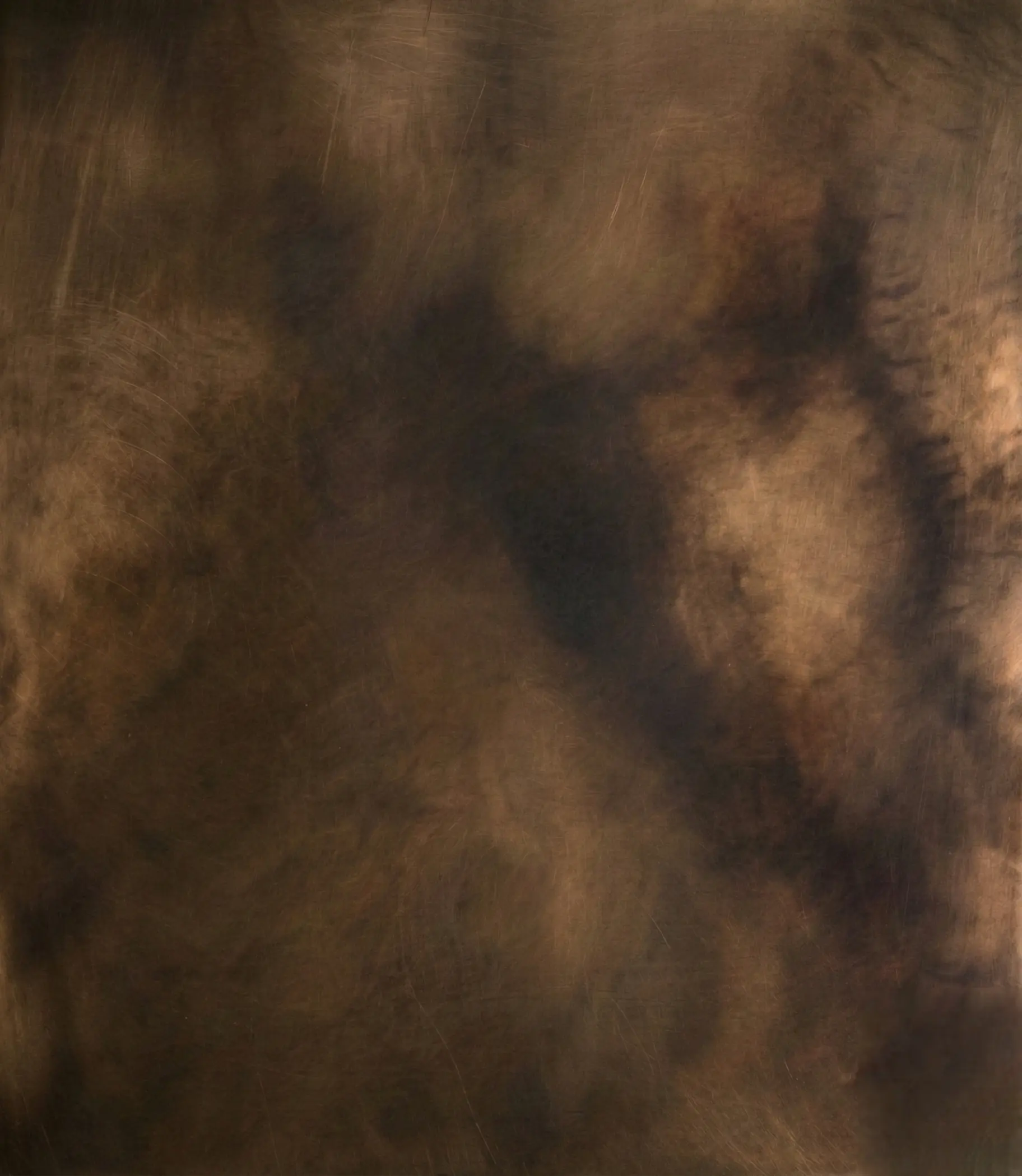
In kitchen fronts, finish selection starts with a reference sample and a clear intent for tone, texture, and sheen under the project lighting. MetaliQ liquid metal coatings are often chosen when the design needs a seamless metal surface across cabinetry geometry. TruMetal arc wire coatings may be specified when a stronger performance oriented real metal layer is required on fabricated components. Where the substrate is already brass, bronze, copper, steel, or stainless, Finishes on Traditional Metals refines the real metal directly through brushing, polishing, patina work, and sealing. LuxCoat wet coatings support adjacent painted elements with the same discipline of preparation, sample alignment, and sheen control. Surface preparation, finishing refinement, and final sealing remain project specific.

Frequently Asked Questions

MetaliQ can be applied on prepared substrates such as MDF, wood, composites, stone, and existing metal where appropriate. TruMetal is typically used on a properly prepared base to build a real metal layer. If your fronts are already fabricated in real metal, Finishes on Traditional Metals refines that substrate directly.

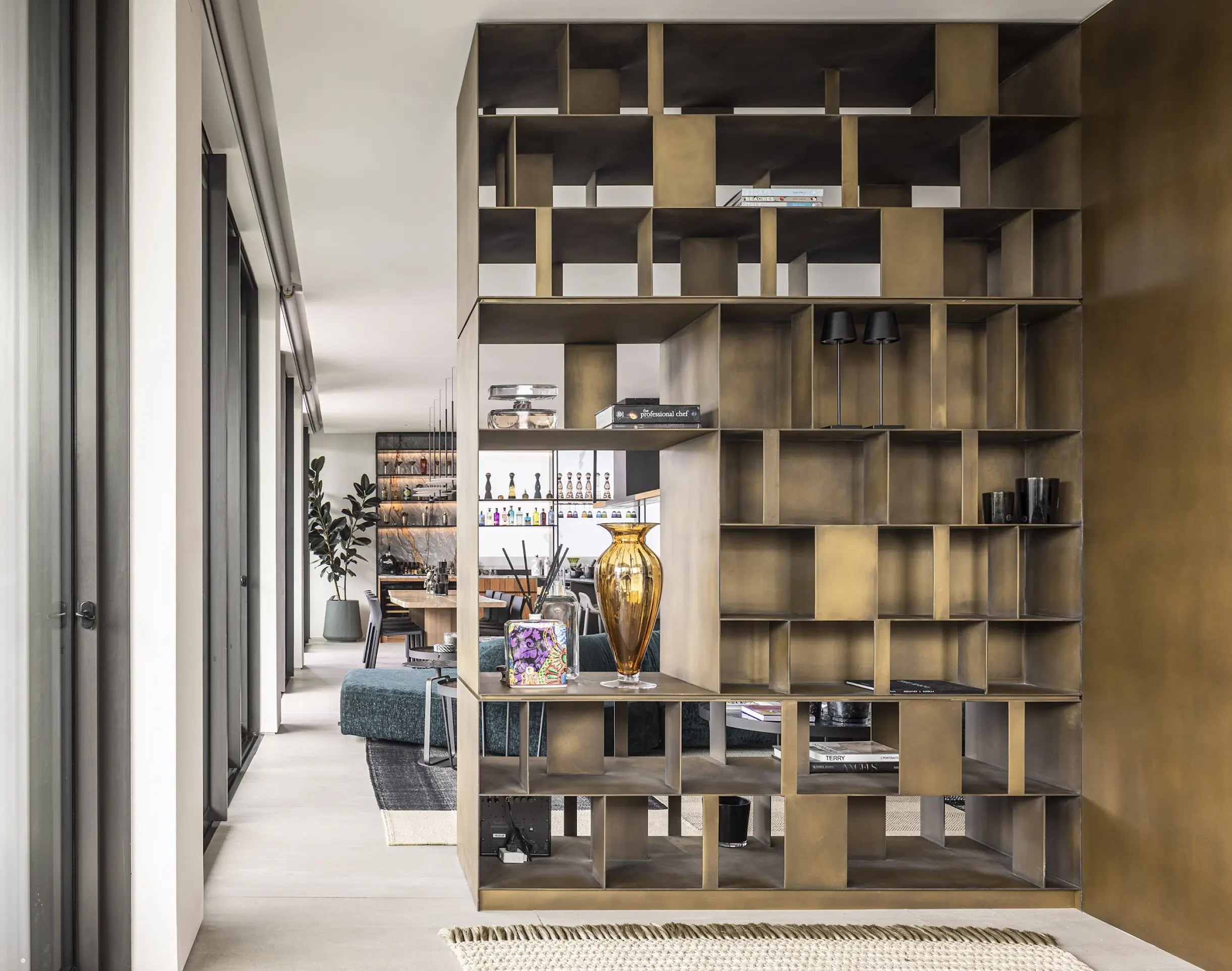
Sample Projects of Designed Metal Bookcases

Project references for entrance doors are available upon request. Share your target finish direction, substrate information, geometry notes, and application zone, and Modulux can provide relevant examples and a specification oriented workflow.

Share your elevations, substrate notes, and the finish direction you want the metal to hold in the space. We will align a sample, confirm sheen under your lighting assumptions, and support specification decisions across MetaliQ, TruMetal, traditional metal finishing, and LuxCoat.