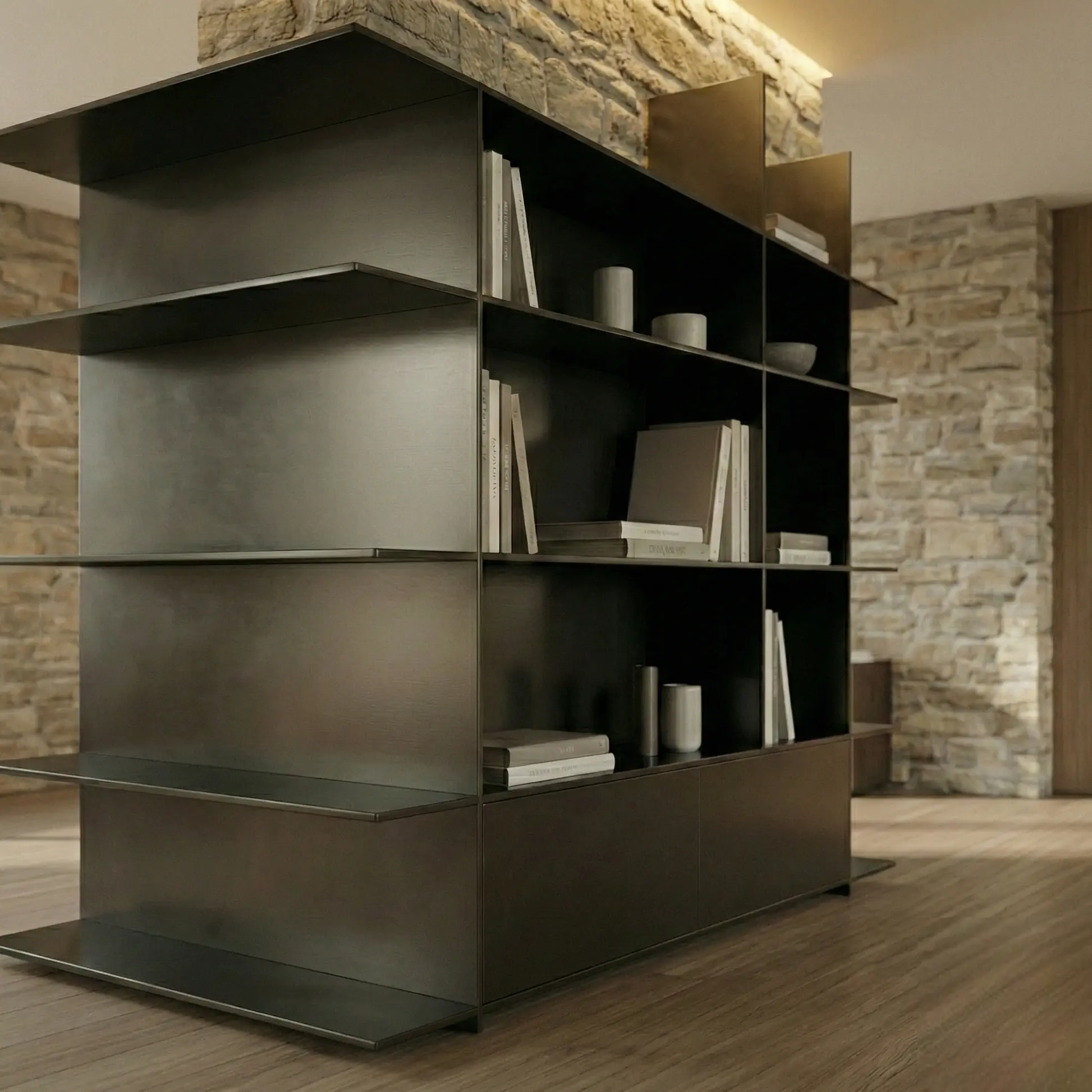
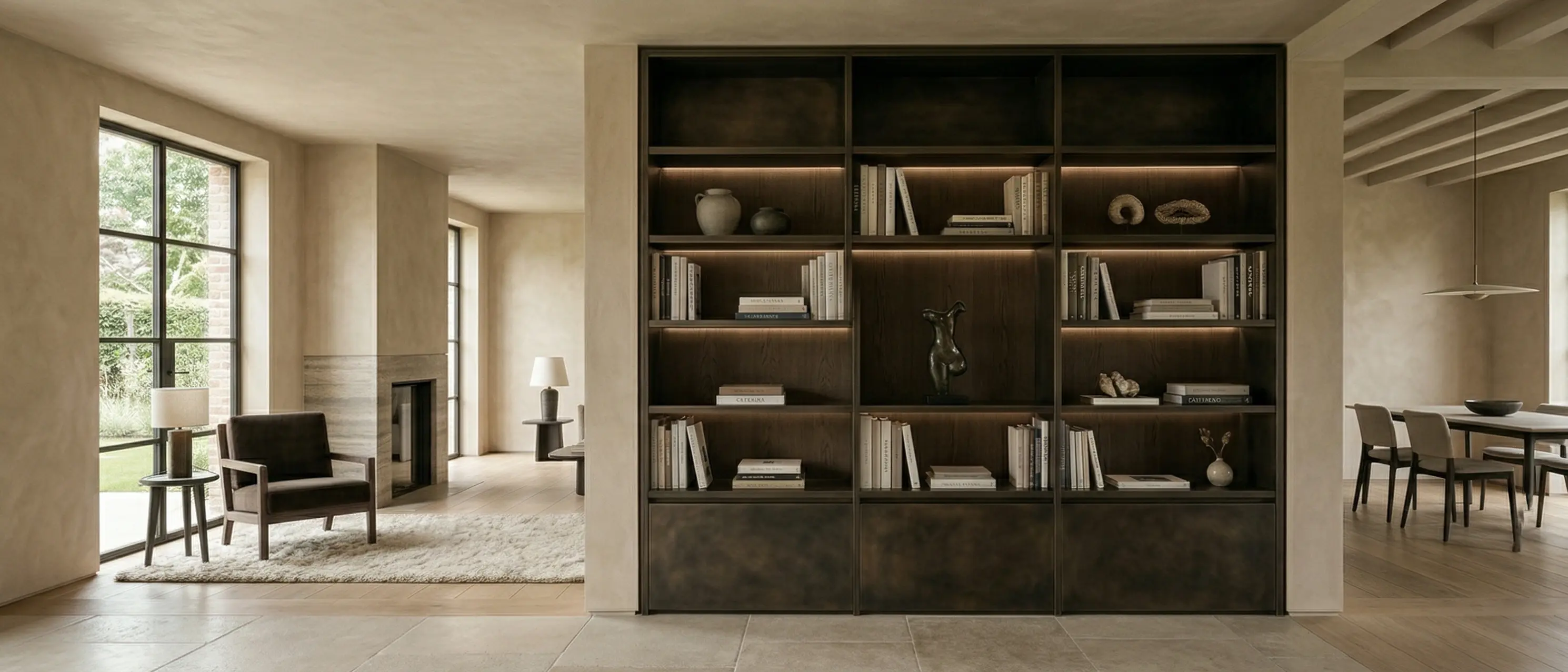
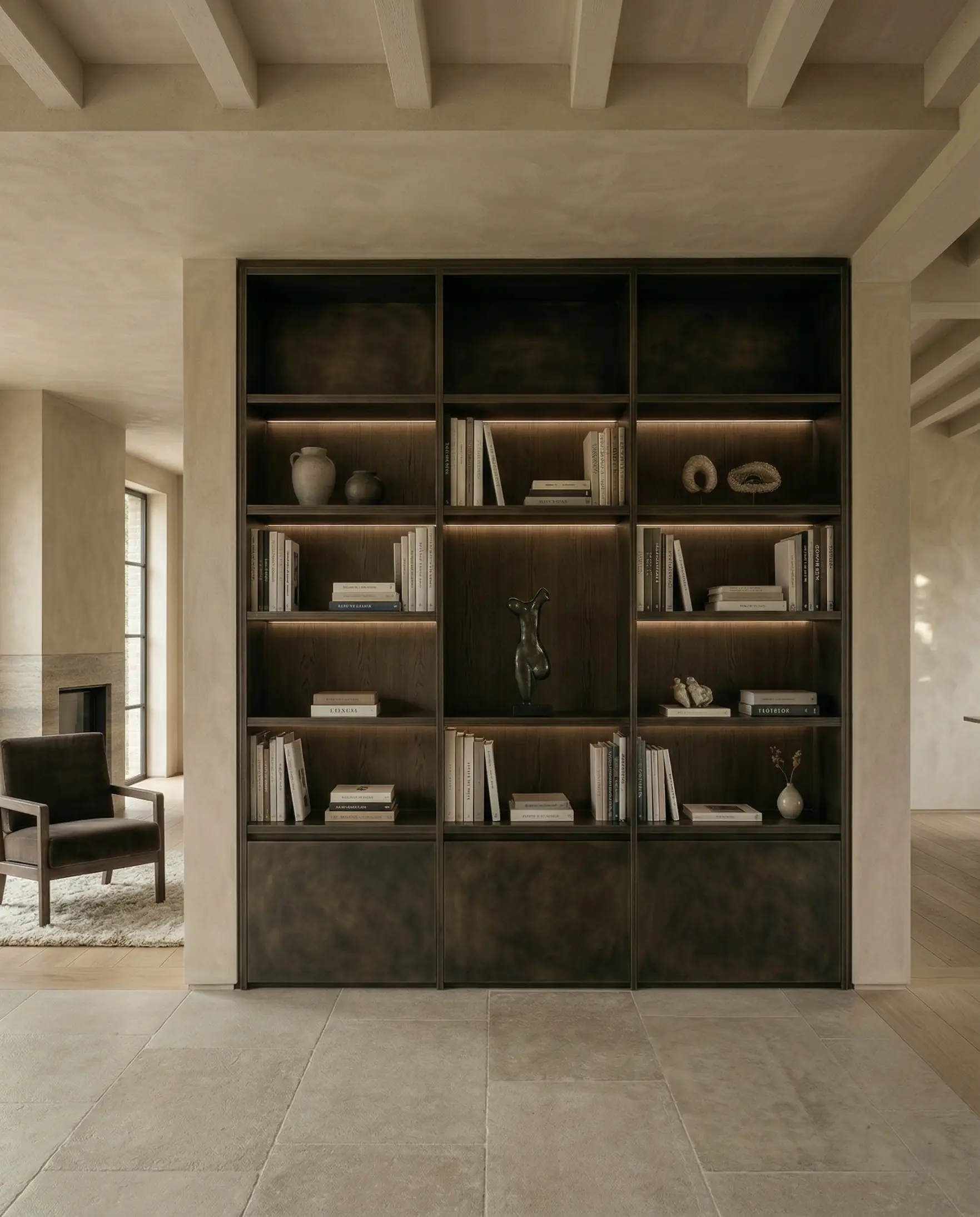
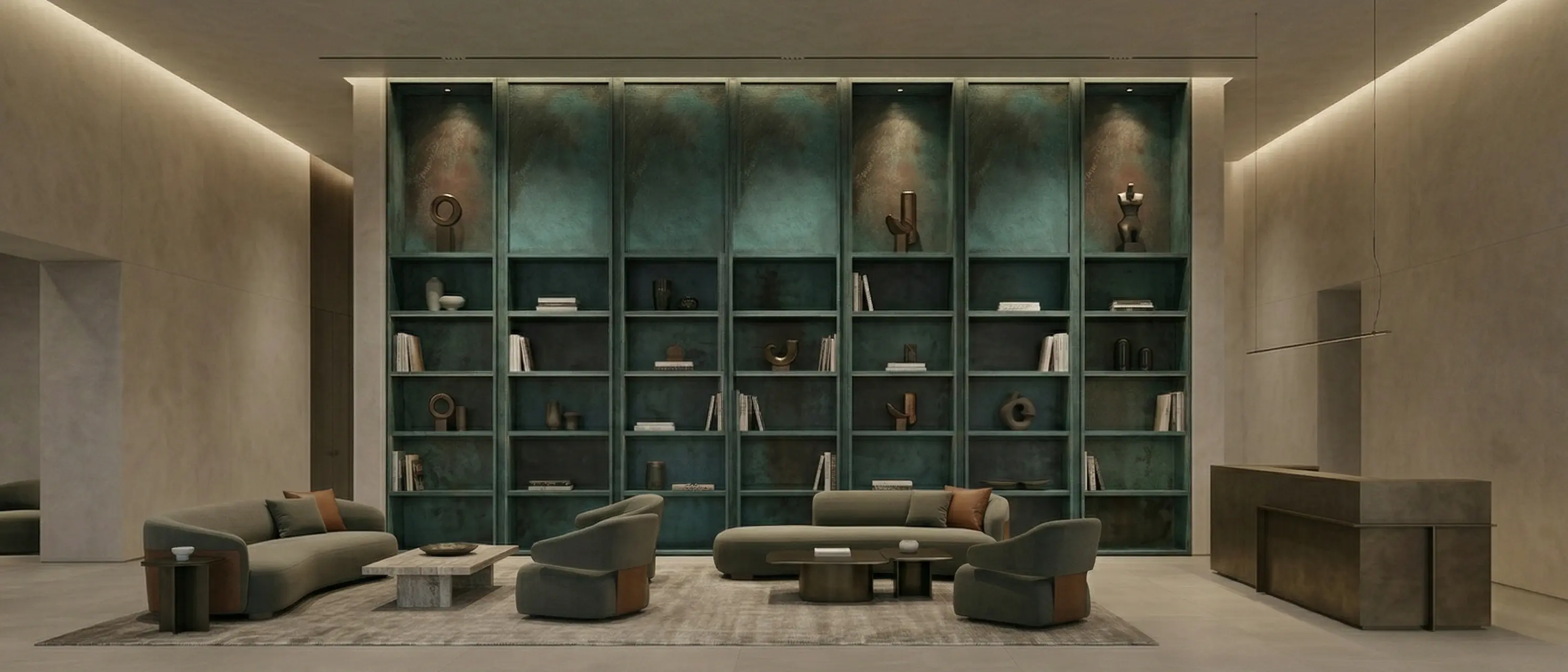
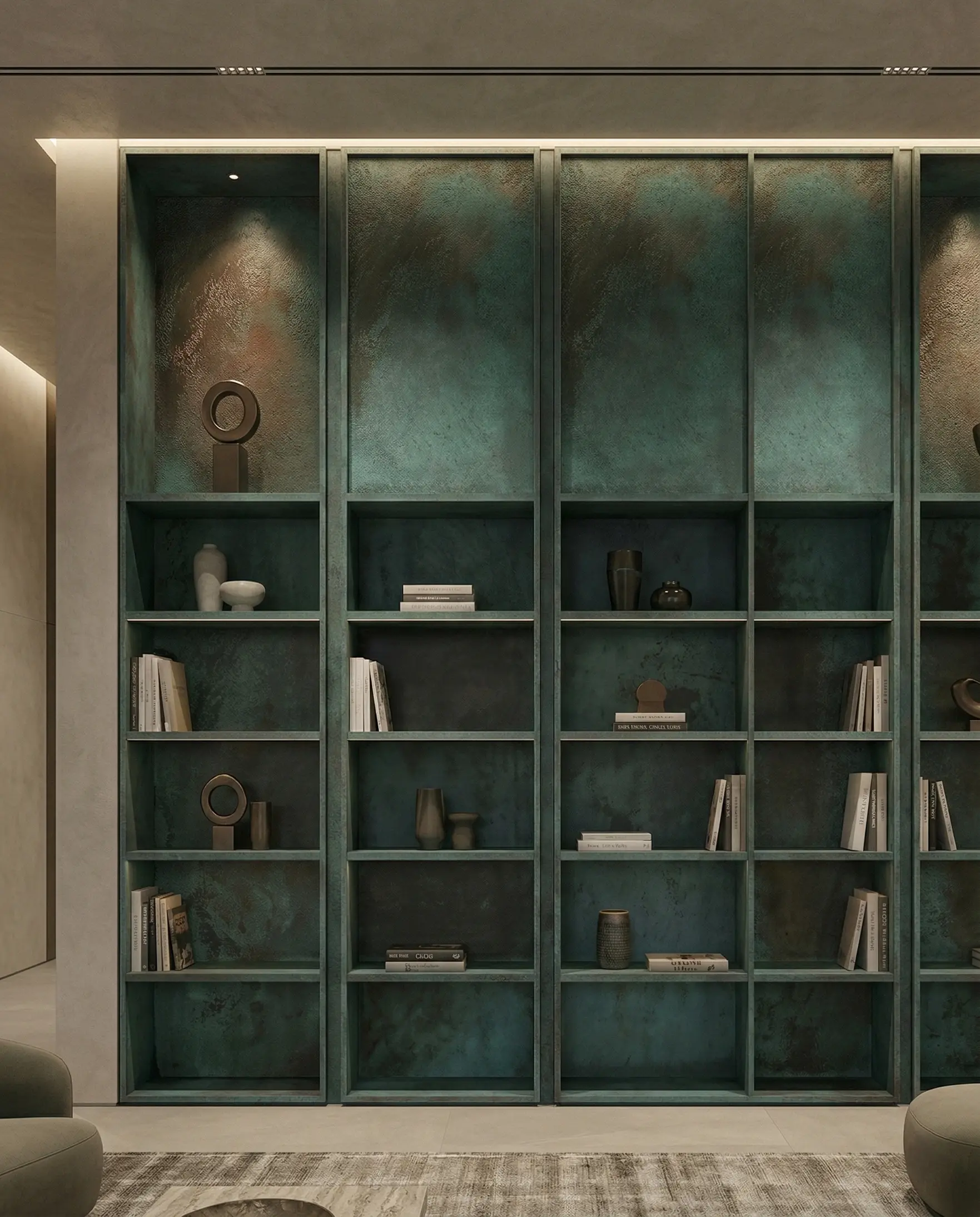
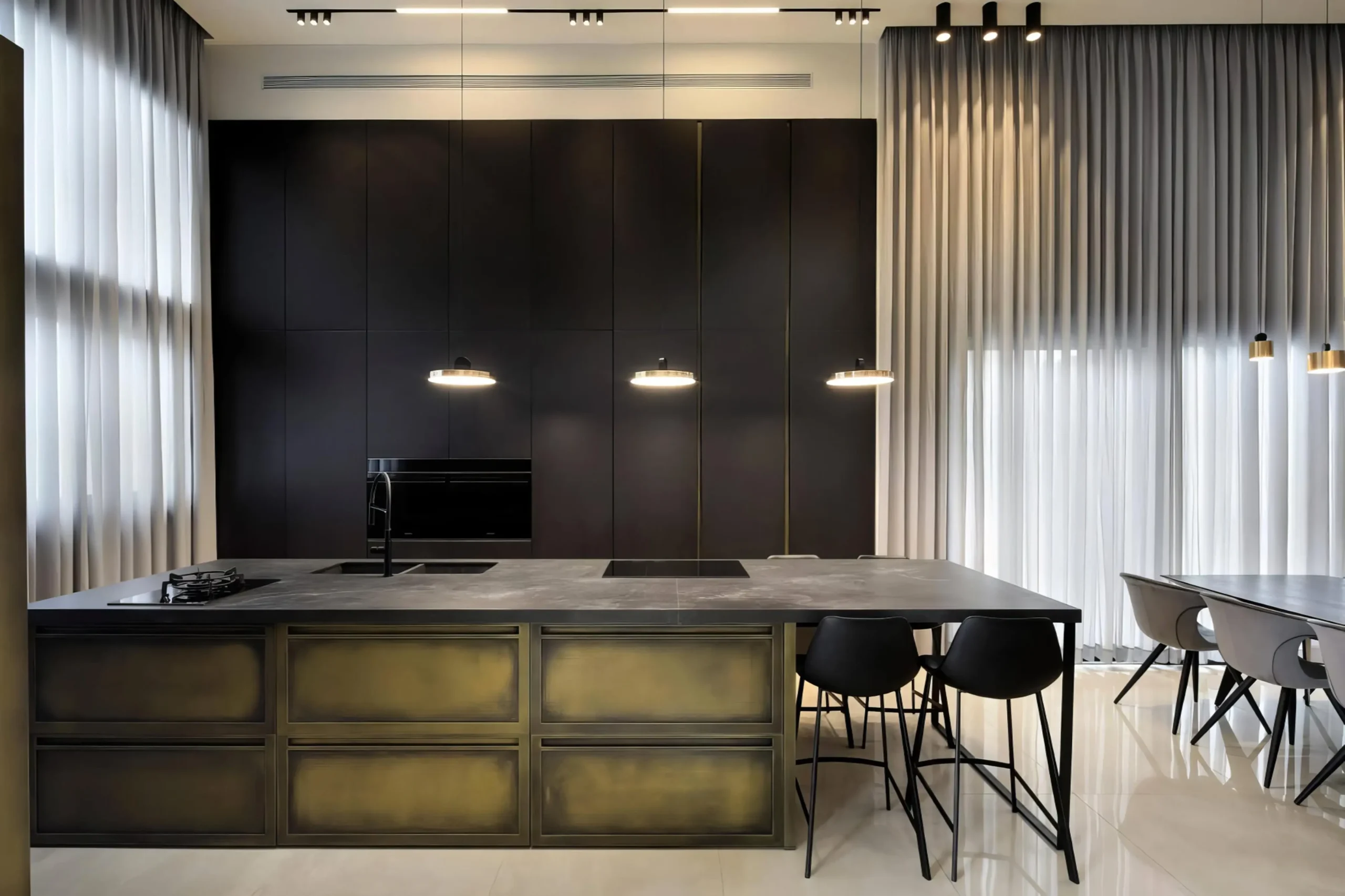
A metal bookcase can be much more than a storage solution. When it is planned well, it becomes part of the architectural language of the space, defines a wall, works with the light, and shapes how the material is read from both near and far.
That is why choosing a metal coating or finish for a bookcase is not only an aesthetic decision. It needs to work properly in terms of appearance, substrate, execution, everyday use, and long term maintenance.
In many cases, a solid metal bookcase can add weight, create visible joints, and limit formal freedom. That is why many projects are better approached through metal coatings and finishes for bookcases, allowing a more controlled metal presence with a better fit for the design, the substrate, and the space itself.
A good bookcase starts with a clear decision: how it should look, how it should feel in the space, and how to maintain the right relationship between shelves, side panels, fronts, edges, and surrounding elements. At Modulux, development is based on approved samples and a structured process, so tone, sheen level, and finish direction stay consistent throughout the project. The result is a designed metal bookcase that feels calmer, more precise, and more faithful to what was approved at the beginning.

When designing a metal bookcase, the first step is to understand what the surface is meant to do in the space. In some projects, the goal is to add depth. In others, it is to soften reflections, or to connect the bookcase to doors, profiles, cladding, or nearby metal elements. These decisions are especially noticeable in bookcases, because shelves, edges, and side panels are seen from close range and from different angles throughout the day. When finish direction, sightlines, touchpoints, and the relationship to lighting are defined early, it becomes much easier to achieve a quiet, convincing result.
With metal bookcases, it is often better to separate the structure from the finish layer. The core can be built around strength, precision, wall attachment, and installation logic, while the metal takes on the role of the visible surface. This matters especially when solid metal would make the piece heavier, more complex, and less flexible in form. The result can be clean shelf lines, refined edges, and a clear metal reading, without turning the whole bookcase into an unnecessarily difficult fabrication exercise.
The quality of the final finish depends heavily on the substrate. In bookcase projects, the relevant substrates for coating are MDF, aluminium, or steel, and each one needs to be prepared according to its own characteristics. Edge closing, joints, fillers, and any detail that may show through a finish with sheen, depth, or tonal variation need to be considered carefully. Irregularities in preparation tend to become most visible on long surfaces and in areas read under side light. For that reason, preparation is not just a technical stage. It is a direct part of the final architectural result.
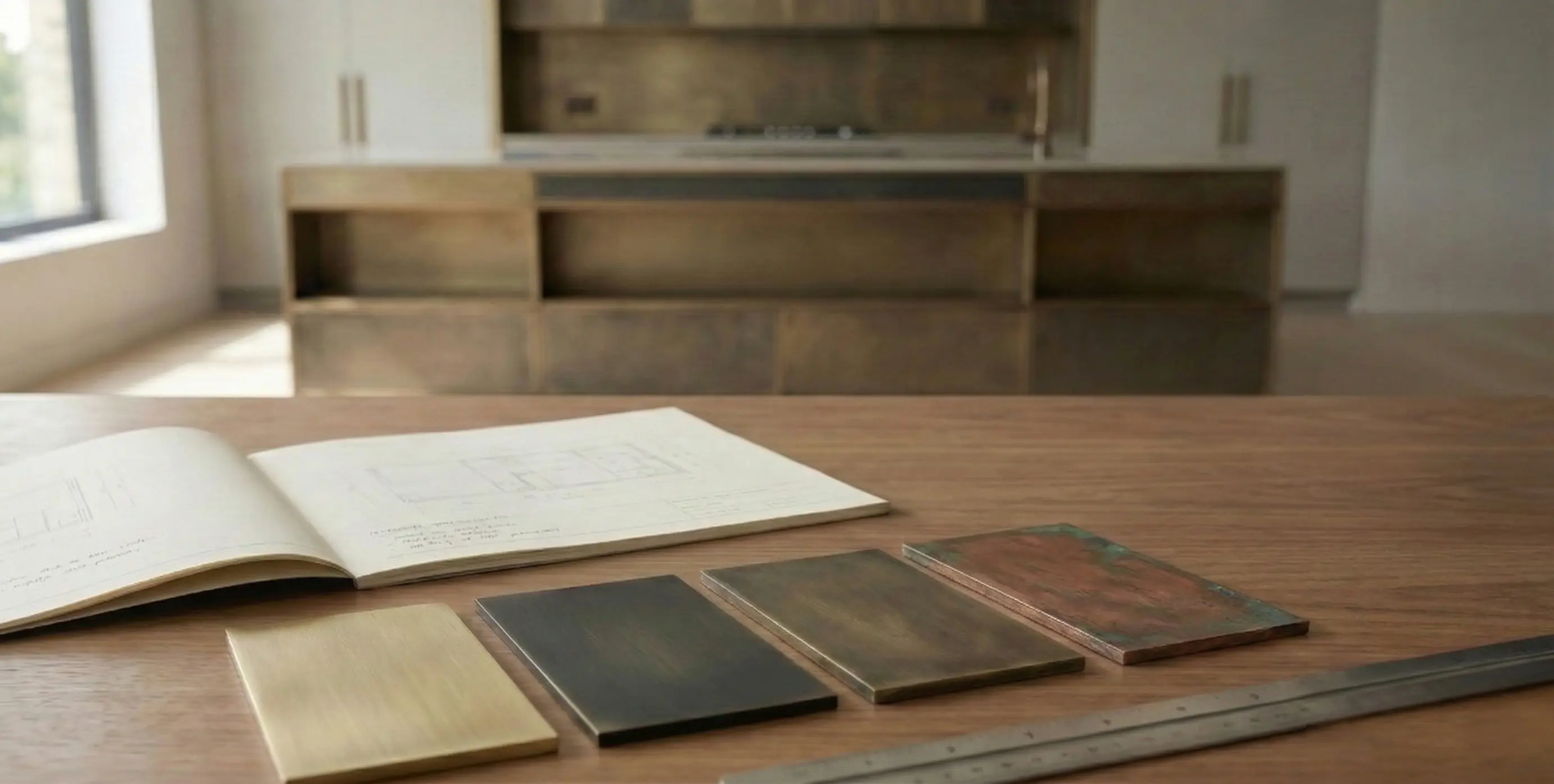
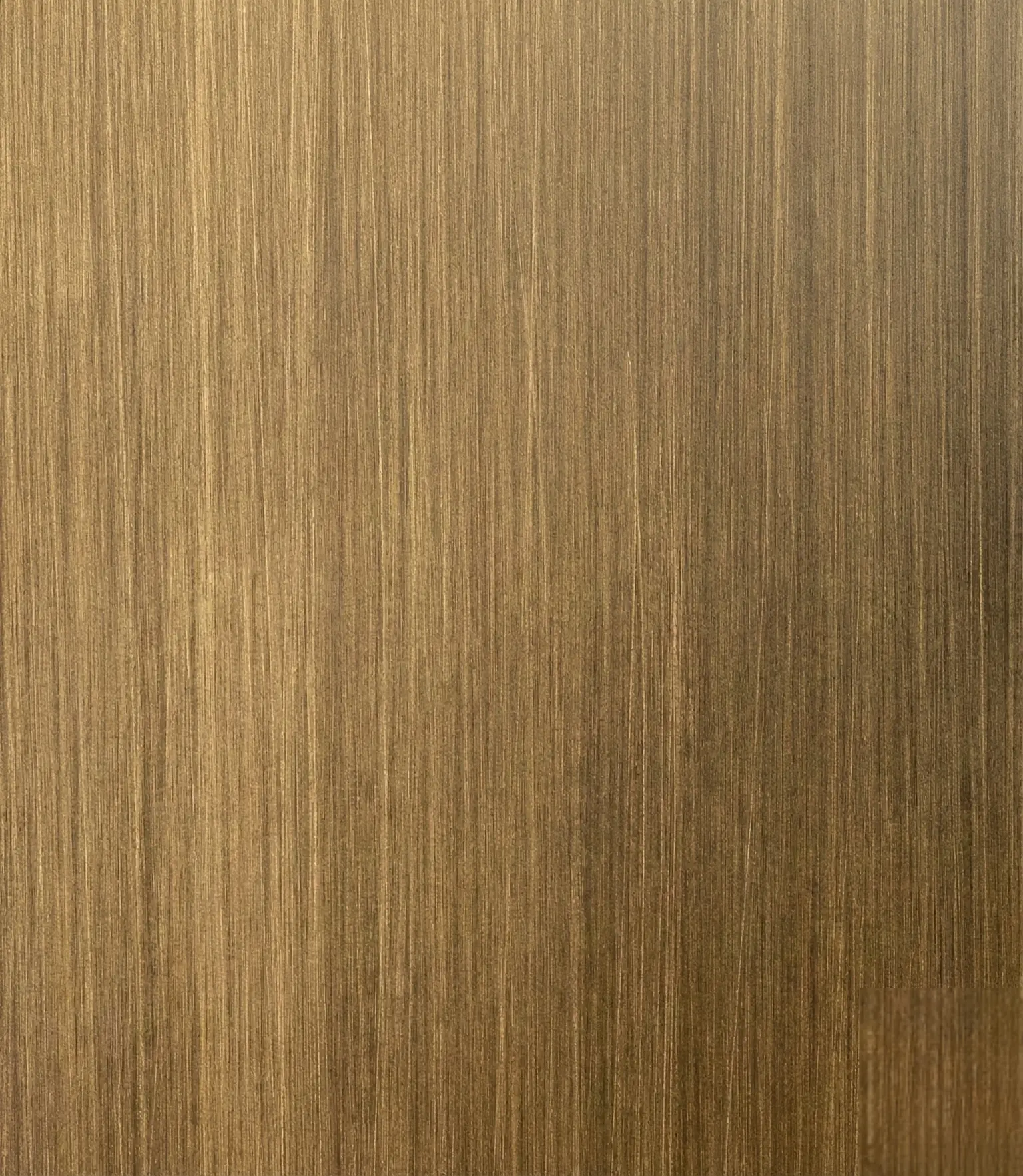
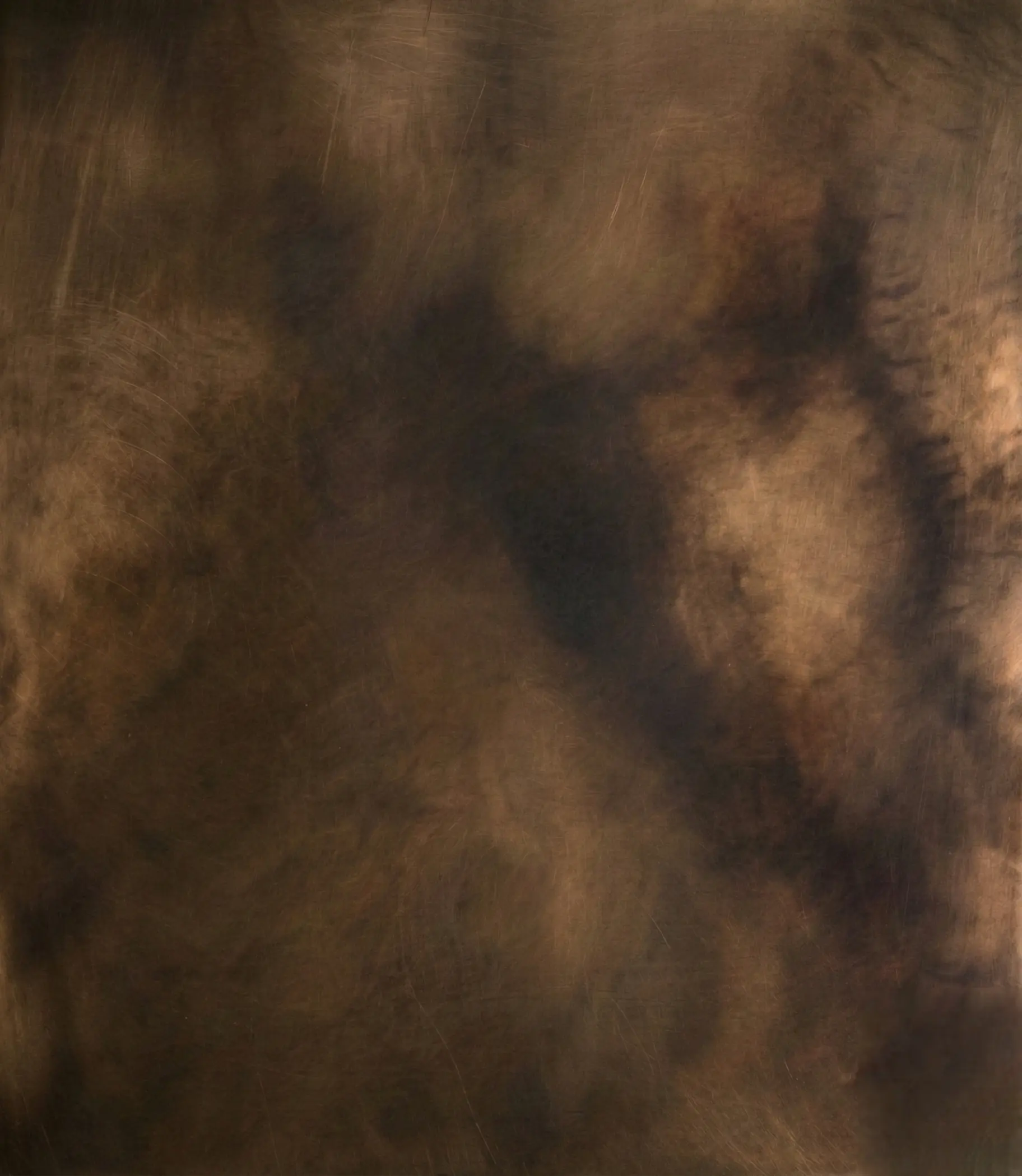
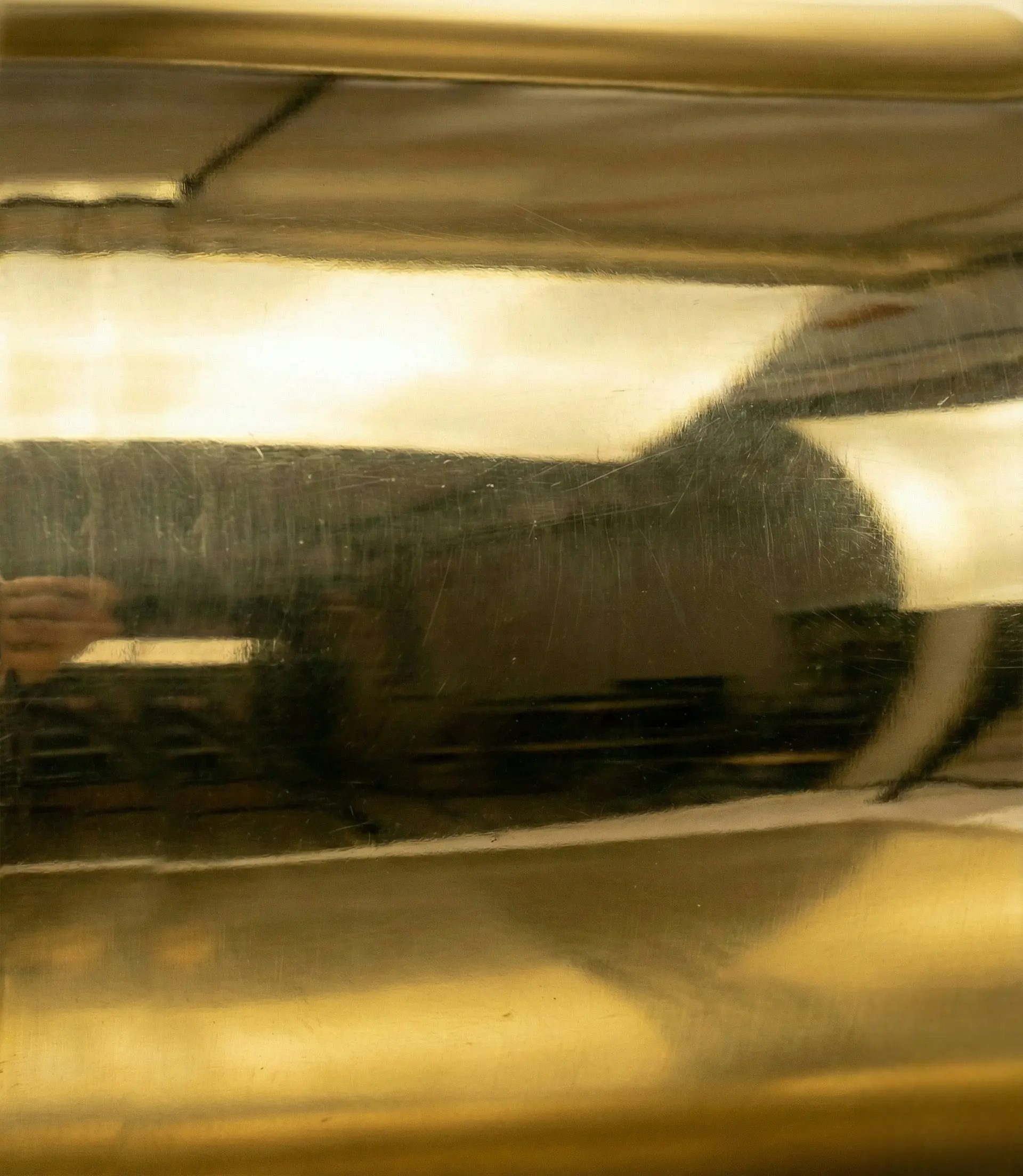
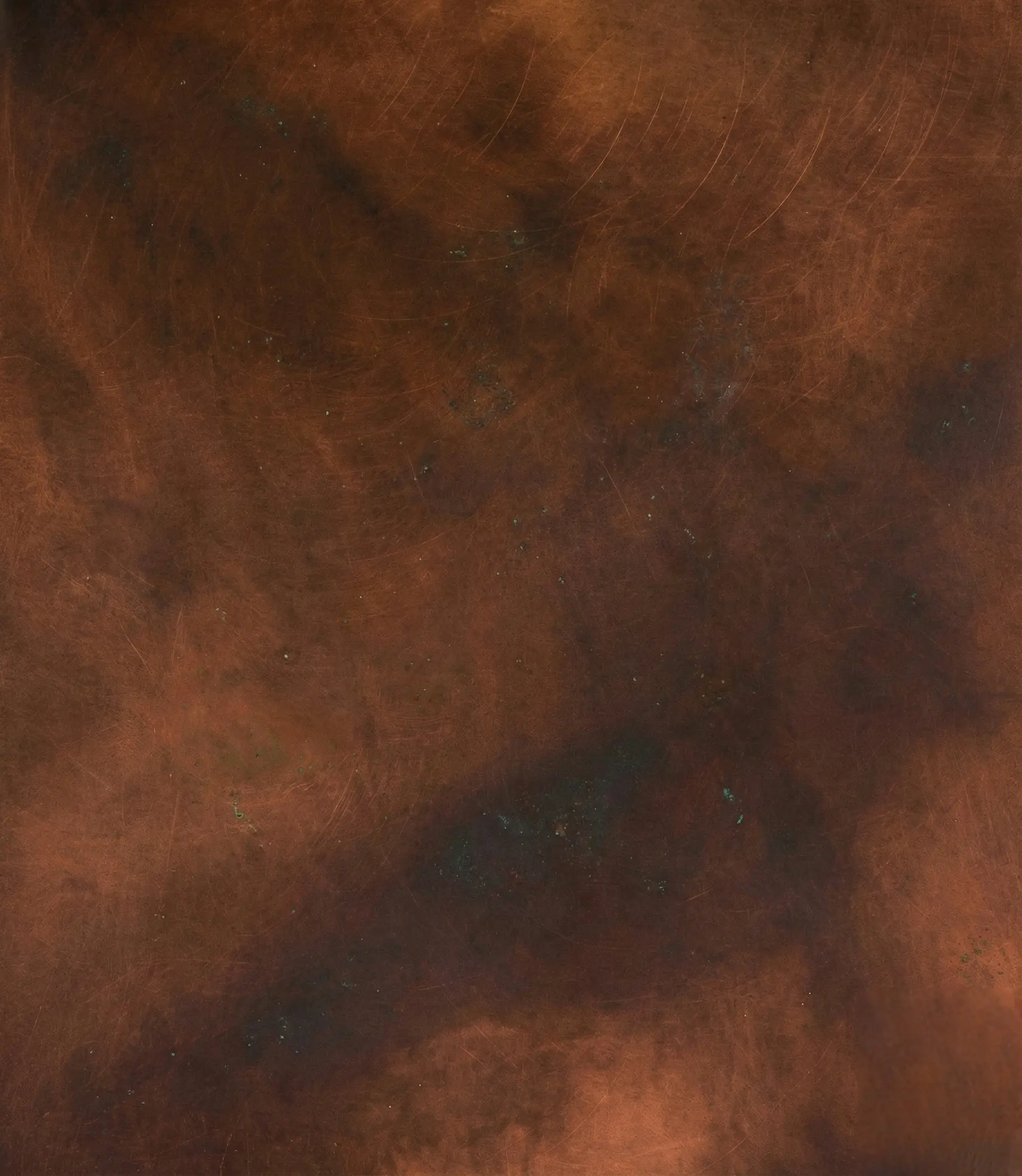
Once applied, the finish is developed in line with the approved sample. Brushing direction shapes the way light moves across the bookcase, polishing can introduce brightness in selected areas, and patina can add depth where it suits the project language. Over our coatings, and also over finishes developed on existing metal, a ceramic clear coat can be introduced as a protective layer, depending on use conditions, touch level, and expected maintenance. When working directly on existing aluminium, steel, brass, or bronze, both the finish itself and the protective layer should be selected as part of one clear system.
Bookcases with metal finishes can work across a wide range of projects, as long as the finish type, protection level, and technology are selected according to the substrate, geometry, and use conditions.
The first stage is to define which parts of the bookcase will receive a metal finish and which parts will remain secondary. It is important to identify touch areas such as front edges, shelf fronts, outer side panels, and openings, and to understand whether this is a freestanding bookcase, a recessed element, or part of a larger wall system. At this stage, it is also important to define the application area and the expected conditions of use, such as wear, routine cleaning, or repeated touch.
The sample should represent the real geometry, not only the tone. That is why it is helpful to include edges, corners, shelf repetition, vertical surfaces, and wrapped areas. Approval should happen under the project’s lighting conditions, so tone, texture, and sheen can be fixed against a clear reference. In the MetaliQ liquid metal route, this is where we evaluate how the material sits on MDF, aluminium, or steel, and how it reads across edges and more complex forms. In the TruMetal electric arc spraying route, this is where the build of the metal layer and the direction of the final refinement are defined.
In designed metal bookcase projects, the decision should not begin with a brand name, but with the construction itself. First, we need to understand what we are working on: MDF, aluminium, or steel. Then we look at what the bookcase needs to do, how simple or complex its geometry is, where there are edges, corners, repeated shelf conditions, and close view areas, and what level of touch and wear is expected.
Where the goal is to achieve a real metal appearance over MDF, or over aluminium and steel in forms that call for more design freedom, MetaliQ liquid metal can be the right route. Where the project is built in aluminium or steel and requires a different process for building the metal surface, TruMetal electric arc spraying may be the better fit. If the bookcase itself is made from existing metal such as aluminium, steel, brass, or bronze, it may be more appropriate to develop the final look directly on the metal through the right finish. In other cases, LuxKote ceramic paint can provide a more precise answer, especially where a controlled material language or a cleaner connection to nearby elements is needed. Across different coating or finish systems, a LuxKote ceramic clear coat can also be introduced as a protective layer, depending on use conditions and expected maintenance.
The aim is not to force the project into a technology, but to choose the technology that best serves the design, the base material, and the way the bookcase needs to look and perform over time.
A metal finish for a bookcase is not judged only by its tone, but by the way the bookcase sits within the space. What is seen in practice is not only colour, but the relationship between light and shadow, between shelves and side panels, between edges and wider surfaces, and between the bookcase and the materials around it. That is why a good finish starts with the question of how the bookcase should read at first glance, and how it should feel when viewed up close.
Some projects call for a clean, quiet, restrained look. Others benefit from a more visible brush direction, greater material depth, a soft patina, or controlled tonal movement. The level of protection is also part of the design thinking, not just a technical stage added at the end. A metal bookcase in a private living room will not be read in the same way as one in an office, hospitality setting, or public interior, so the finish system should always be chosen in line with the actual use.
Our approach is to develop the finish from the approved sample, and from a real understanding of the substrate, lighting, touch level, and design character of the project. That is how a bookcase with a metal finish can feel right not only in a photograph or sample panel, but in the built space itself.
Even a well executed bookcase can be compromised if transport, installation, and on site protection are not defined properly. It is important to plan in advance how edges, shelf fronts, and exposed areas will be protected during transport, storage, and installation. Maintenance also needs to match the finish system that was selected. In most cases, gentle routine cleaning is sufficient, as long as abrasive or aggressive products are avoided.
Every bookcase project starts with understanding the element itself before choosing the finish path. We first look at the substrate, the geometry, the visible edges, the touch areas, and the way the bookcase is meant to sit in the space. From there, the goal is to define not only how the surface should look, but how it needs to perform in relation to everyday use, lighting, and the surrounding materials.
The next stage is sample development. This is where tone, brush direction, sheen level, and the overall reading of the surface are tested and aligned. In bookcase projects, this step is especially important because shelves, side panels, corners, and front edges are seen from close range and from shifting angles. A finish that feels right on a flat sample still needs to be checked against the actual geometry of the piece.
Once the finish direction is approved, the process moves into preparation and execution. Depending on the project, this may involve MetaliQ liquid metal, TruMetal electric arc spraying, Finishes on existing metal, or LuxKote ceramic paint. Where needed, a LuxKote ceramic clear coat, can be added as part of the protective system. The aim throughout is to keep the approved sample, the built piece, and the final installed result as closely aligned as possible.
In bookcase projects, the relevant substrates for coating are MDF, aluminium, and steel. The choice between them affects preparation method, technology suitability, and the final result.
When working directly on aluminium, steel, brass, or bronze and developing the final surface through brushing, polishing, patina, darkening, or another finishing process, without adding a separate coating route over a different base.
Yes. LuxKote Ceramic paint can be relevant on MDF, aluminium, steel, brass, or bronze, depending on the project goal, the design language, and the use requirements.
LuxKote Ceramic clear coat is used as a protective layer. It can be applied over metal coatings and also over finishes developed on existing metal, where additional protection is needed and the system must be aligned with the use conditions and maintenance expectations.
In most cases, gentle cleaning with a soft cloth and a neutral cleaner is enough. Abrasive or aggressive products should be avoided, as they may damage the protective layer or alter the reading of the surface.
In many cases, yes, but it depends on the selected technology, the substrate, the protective layer, and how well the approved sample was documented and retained. That is why it is important to record tone, brush direction, and sheen level from the beginning.
Relevant references and visual examples can be matched to the project type, substrate, and intended material direction. If you share drawings, base material, notes on geometry, and the desired finish direction, we can suggest suitable references and build a finish development path that starts correctly from the approval stage.
Share your drawings, substrate type, and intended finish direction with us.
We will help you evaluate whether the right route is MetaliQ liquid metal, TruMetal electric arc spraying, Finishes on existing metal, LuxKote ceramic paint, or ceramic clear coat as a protective layer, and develop an approved sample that fits the design, the execution, and coordination between the different trades.
Start with a finish consultation
שלח לנו וואטסאפ