Architectural Painting – LuxKote

Architectural painting, called LuxKote at Modulux, is a preparation-first wet painting service for architectural and interior surfaces that need a controlled painted finish, designer paint effects, and long-term color-stability review across different material families.
The work begins before paint is applied. Modulux reviews the substrate, surface condition, edges, joints, desired finish direction, touch level, cleaning expectations, and exposure conditions before selecting the primer, paint, and lacquer system. That preparation-first approach is what allows a painted surface to feel intentional rather than merely colored.
Selected paint systems are chosen for long-term color stability. Where the material, exposure, preparation, and product documentation support it, systems can be specified to resist yellowing and fading over time.

Architectural Painting Applications

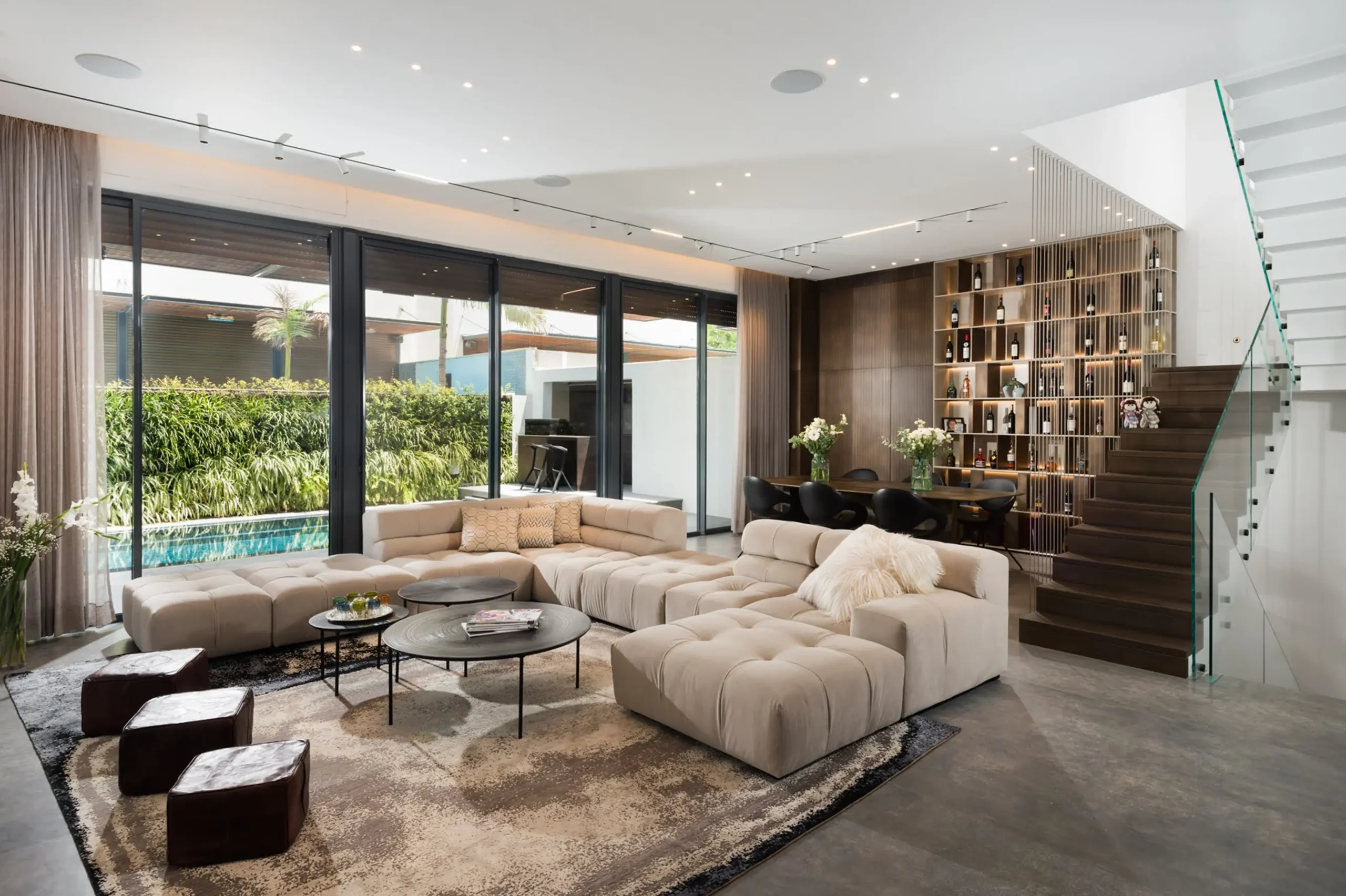
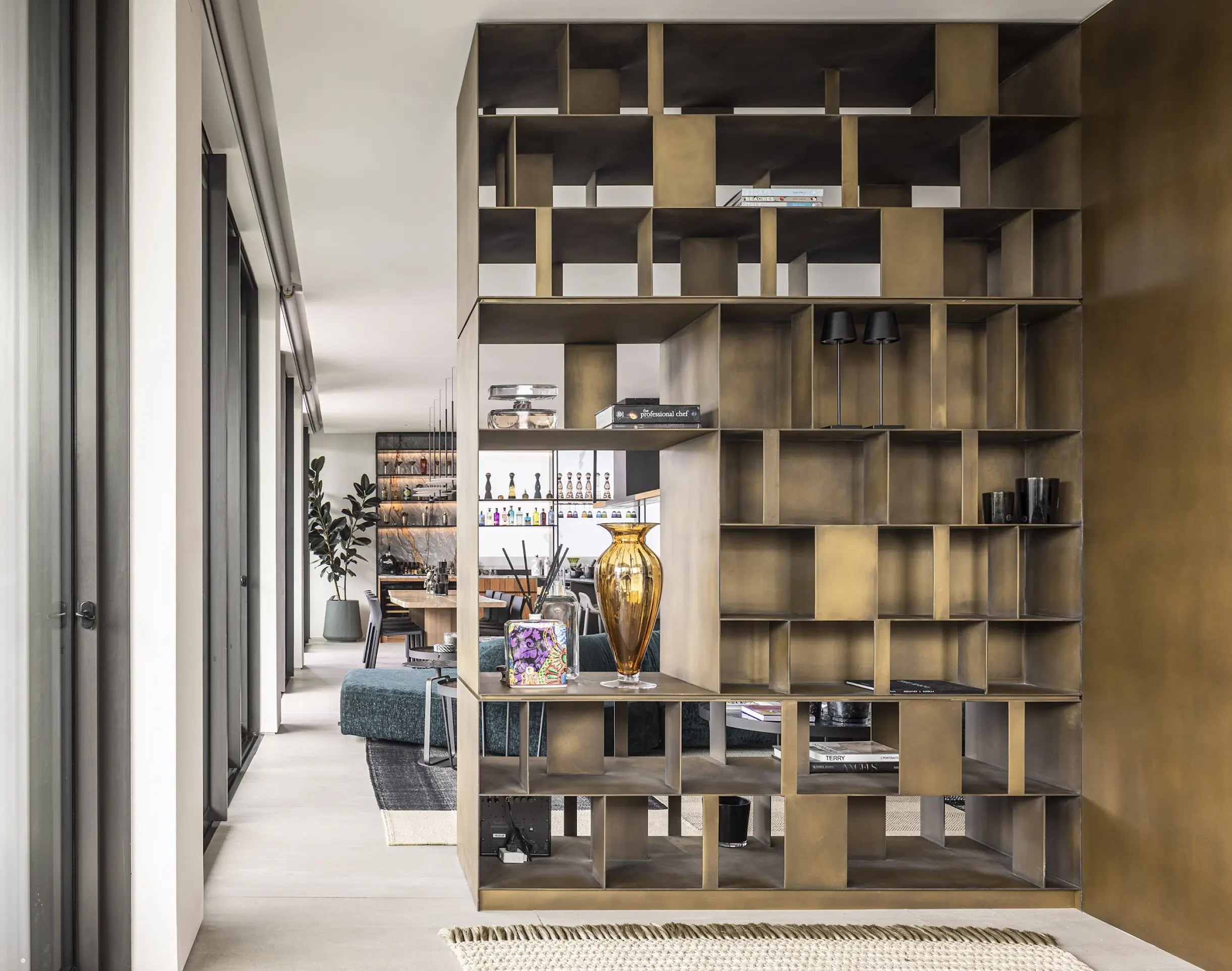
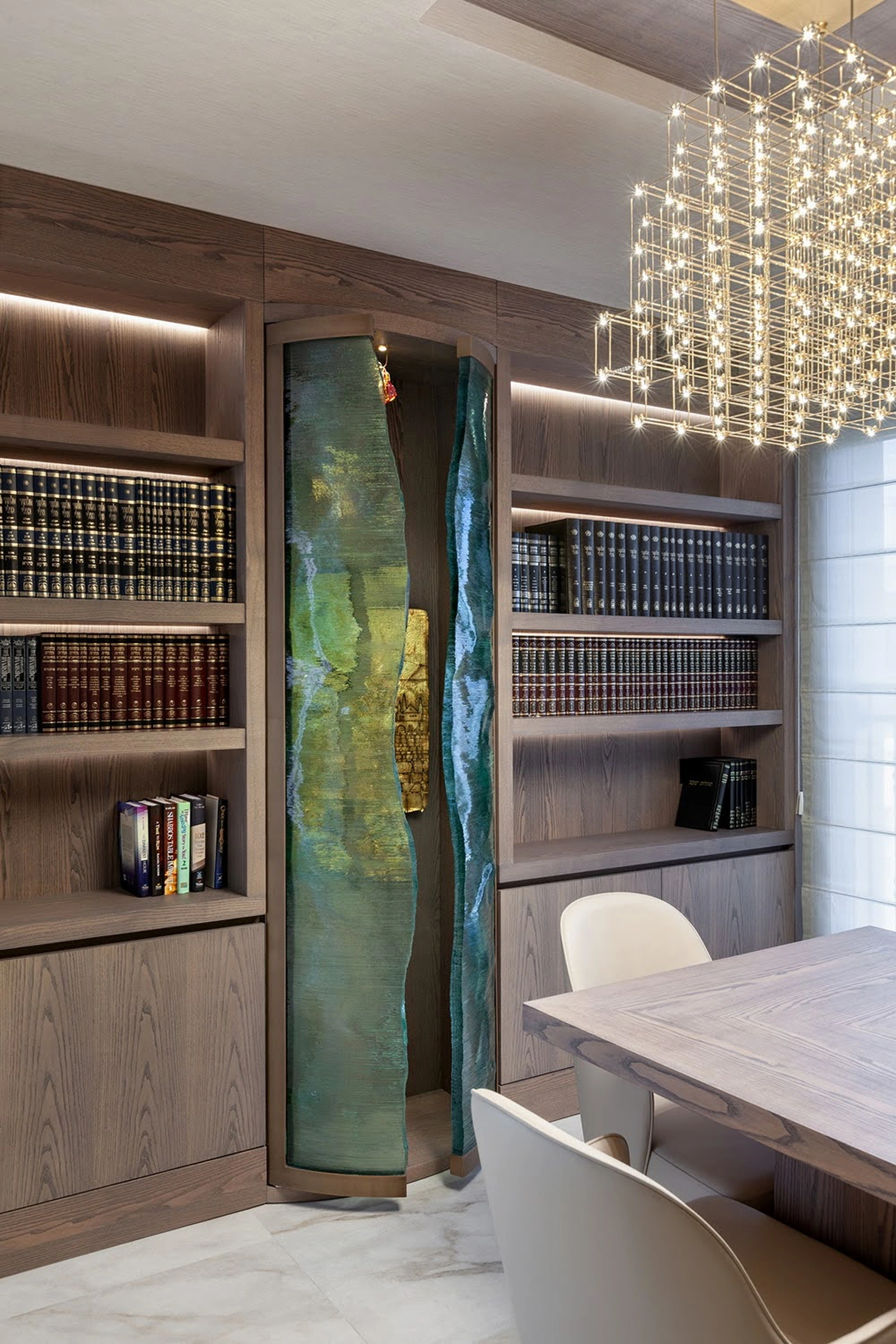
Architectural painting is used when an element needs a precise finished surface, not just a catalogue color. Modulux paints MDF, wood, composite boards, aluminum, iron, steel, stainless steel, and other project-reviewed architectural surfaces when the surface can be prepared for the selected system.
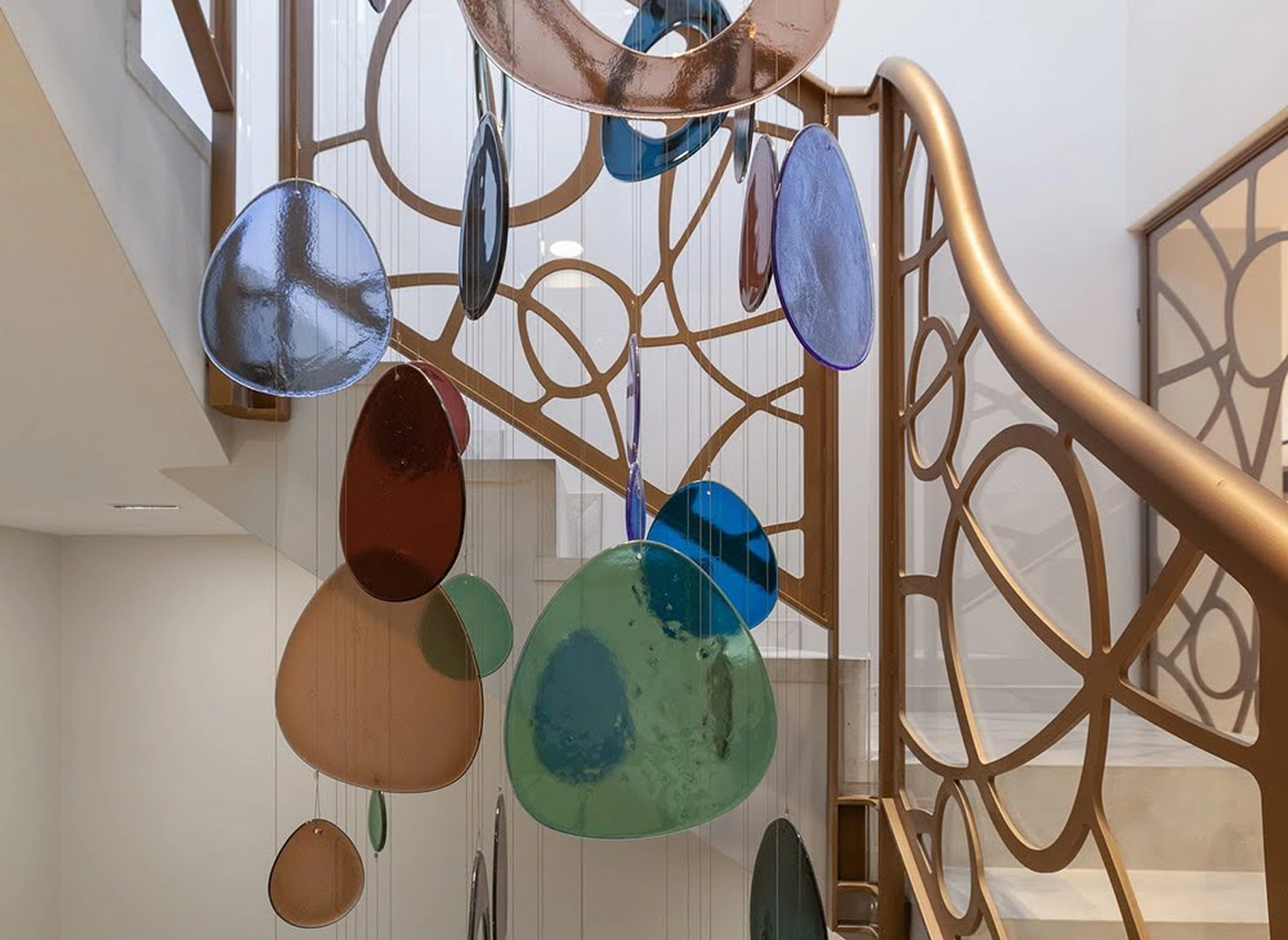
The finish direction can include solid colors, metallic paints, mottled effects, shading techniques, gradients, layered color effects, tinted lacquer directions, and other designer paint effects. Ceramic paint or ceramic lacquer options may also be reviewed where they fit the project, but LuxKote is broader than a single ceramic layer.

Hotel Reception Desks:

Creating an impressive and luxurious first impression that defines the hospitality experience.

Where Architectural Painting Fits

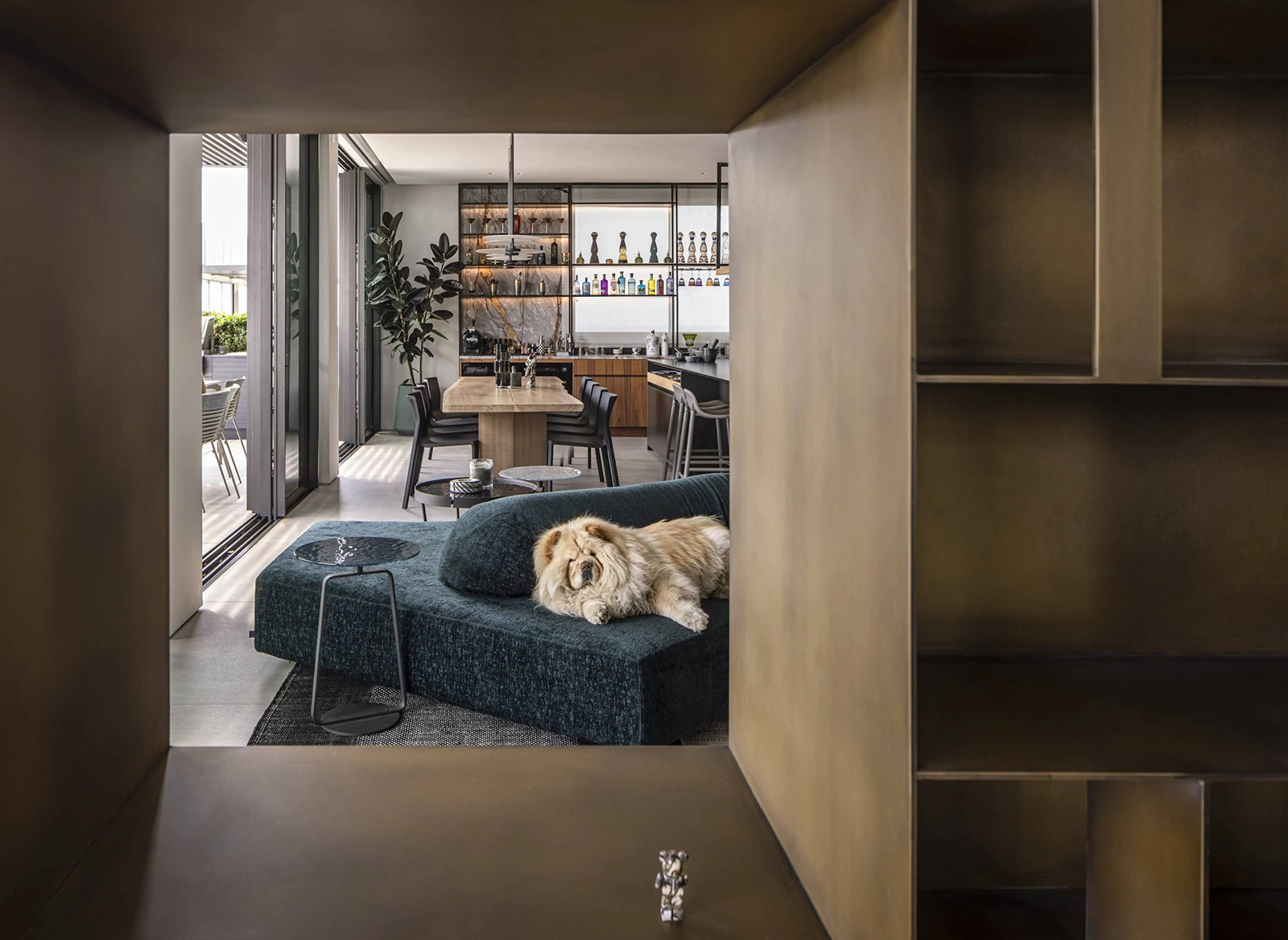
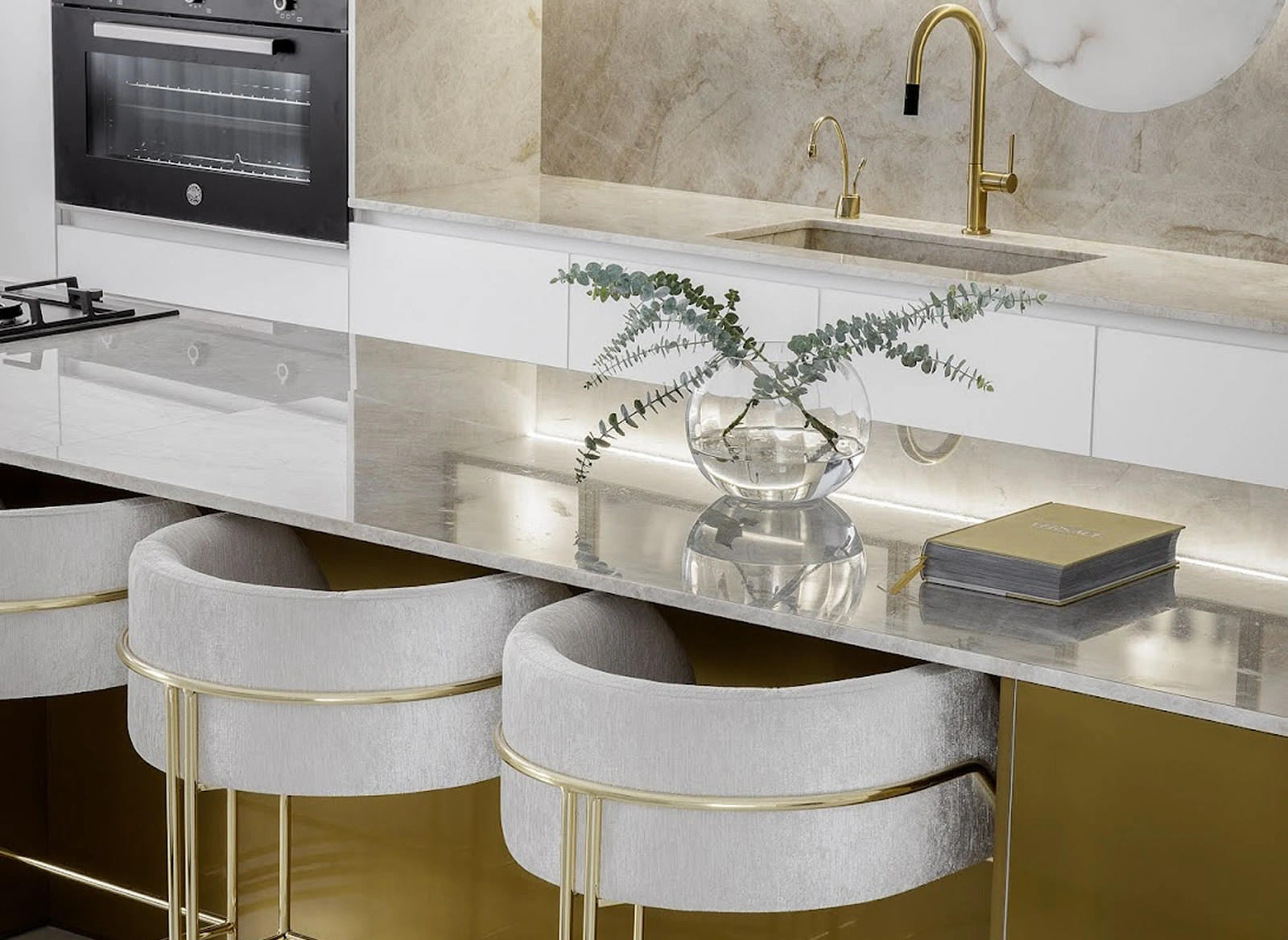
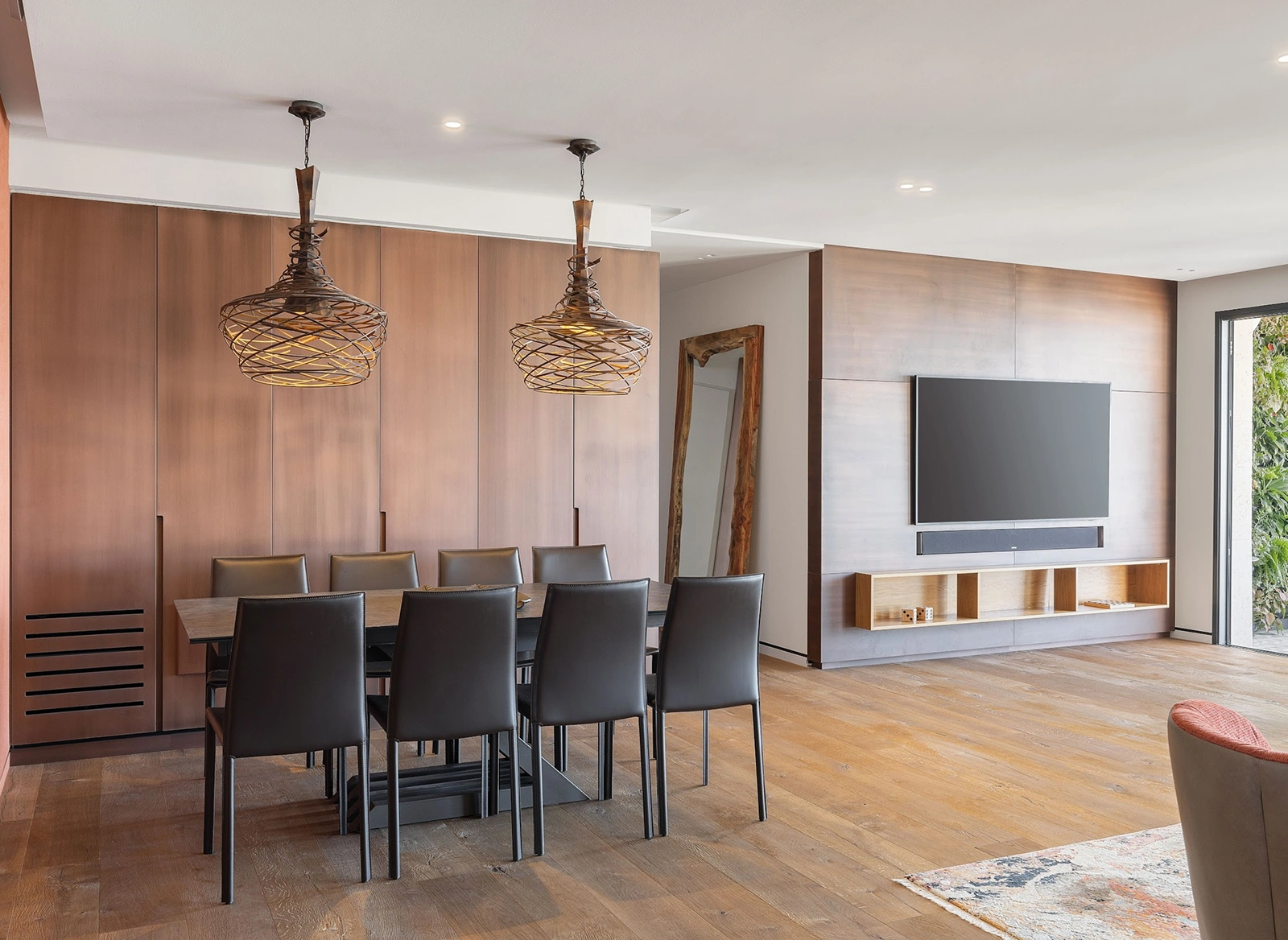
Architectural painting fits projects where the surface itself needs to feel designed, controlled, and carefully made. It is relevant for kitchen fronts, doors, furniture, wall panels, shelving, reception desks, metal elements, wood elements, MDF elements, aluminum parts, iron or steel parts, stainless steel elements, and other reviewed surfaces that need a paint and lacquer system selected for the project rather than a generic finish.
The service is not limited to flat solid colors. It can support metallic paints, mottled effects, shading, gradients, ombre directions, layered color work, and custom designer effects when the selected system, surface preparation, and approved sample support the direction.
For high-touch surfaces, exterior locations, first-line sea exposure, demanding cleaning routines, or mechanically demanding areas, the selected system must be technically reviewed before production.
BEFORE PAINT

Preparation Defines the Finish

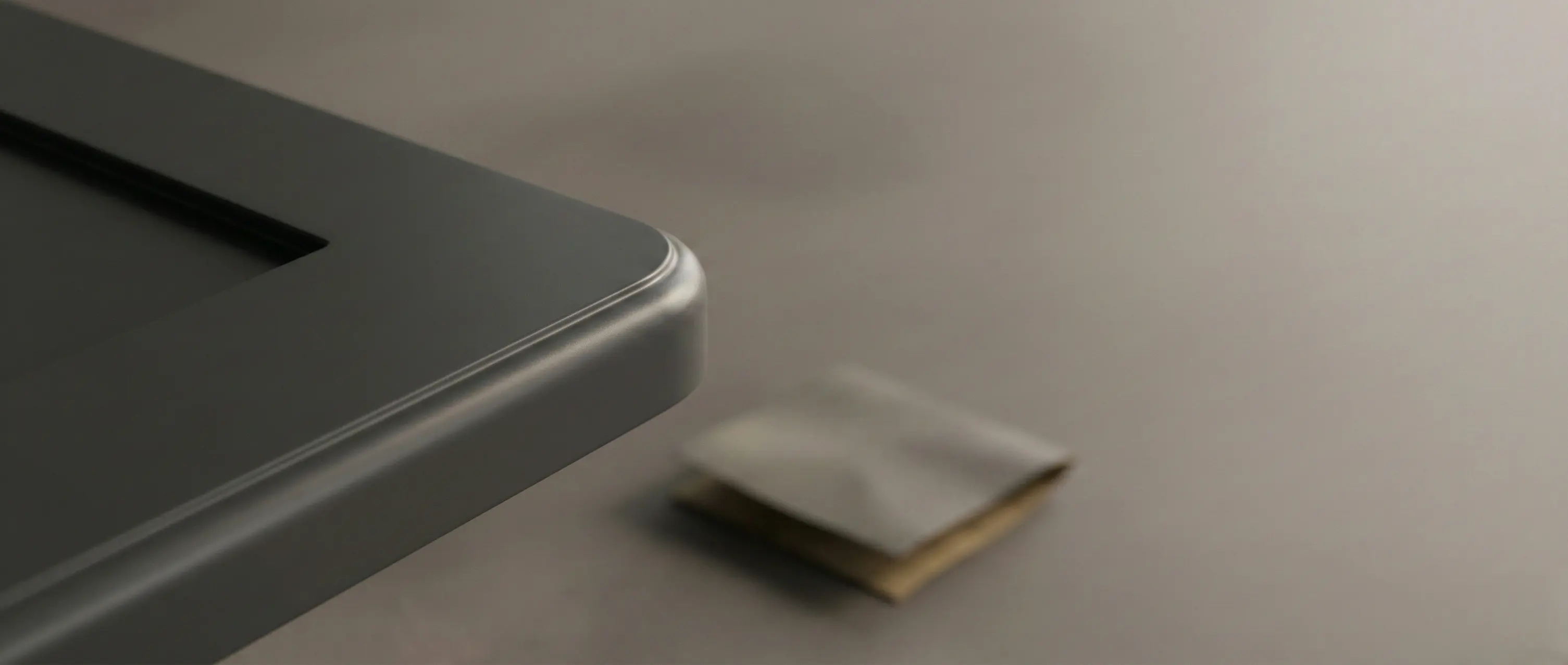
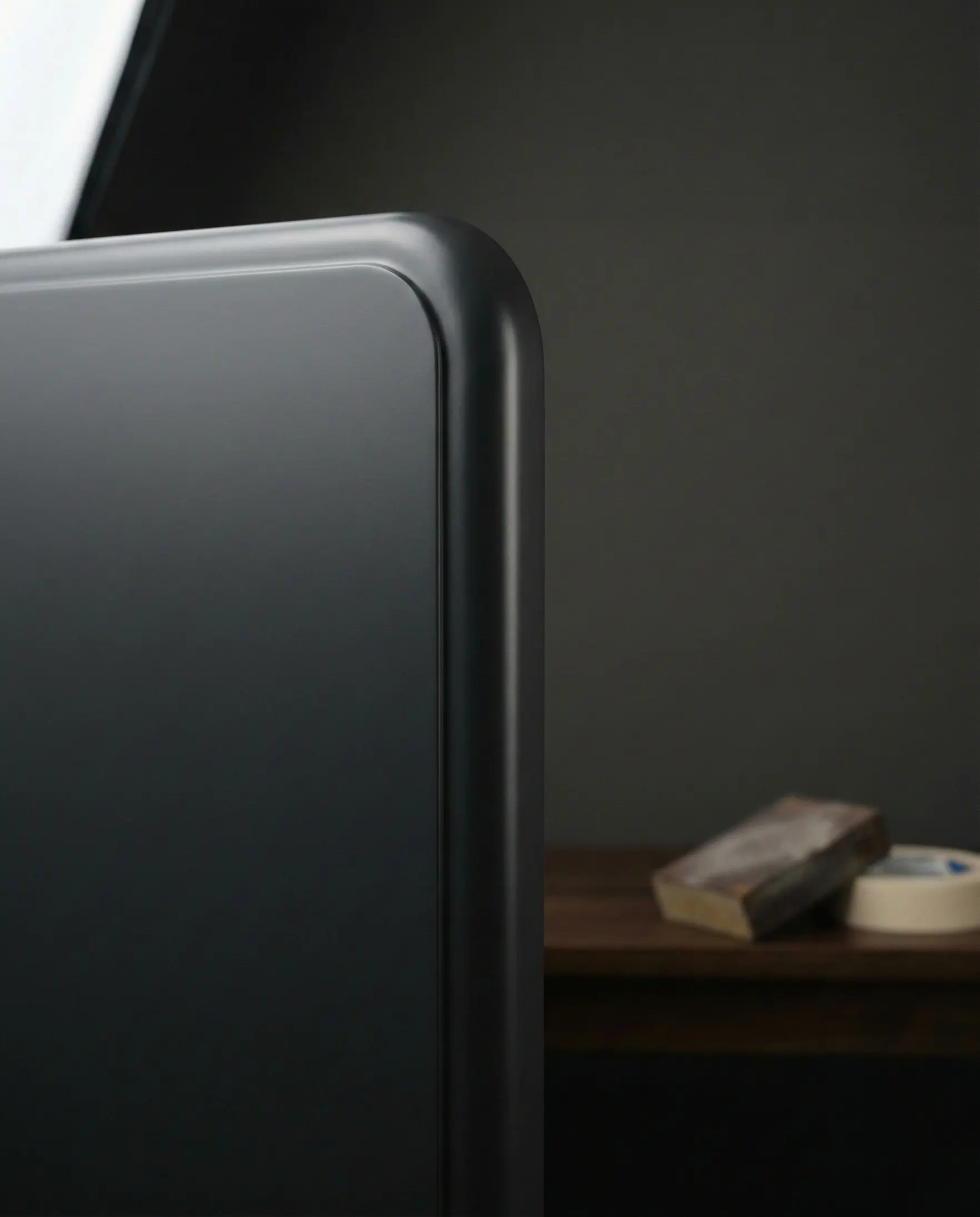
A painted architectural surface is judged at edges, joins, corners, reveals, and long planes that catch light. Small substrate issues can become visible after coating, so the LuxKote process begins with review and preparation: cleaning, leveling where needed, sealing when appropriate, edge work, primer selection, and controlled application conditions.
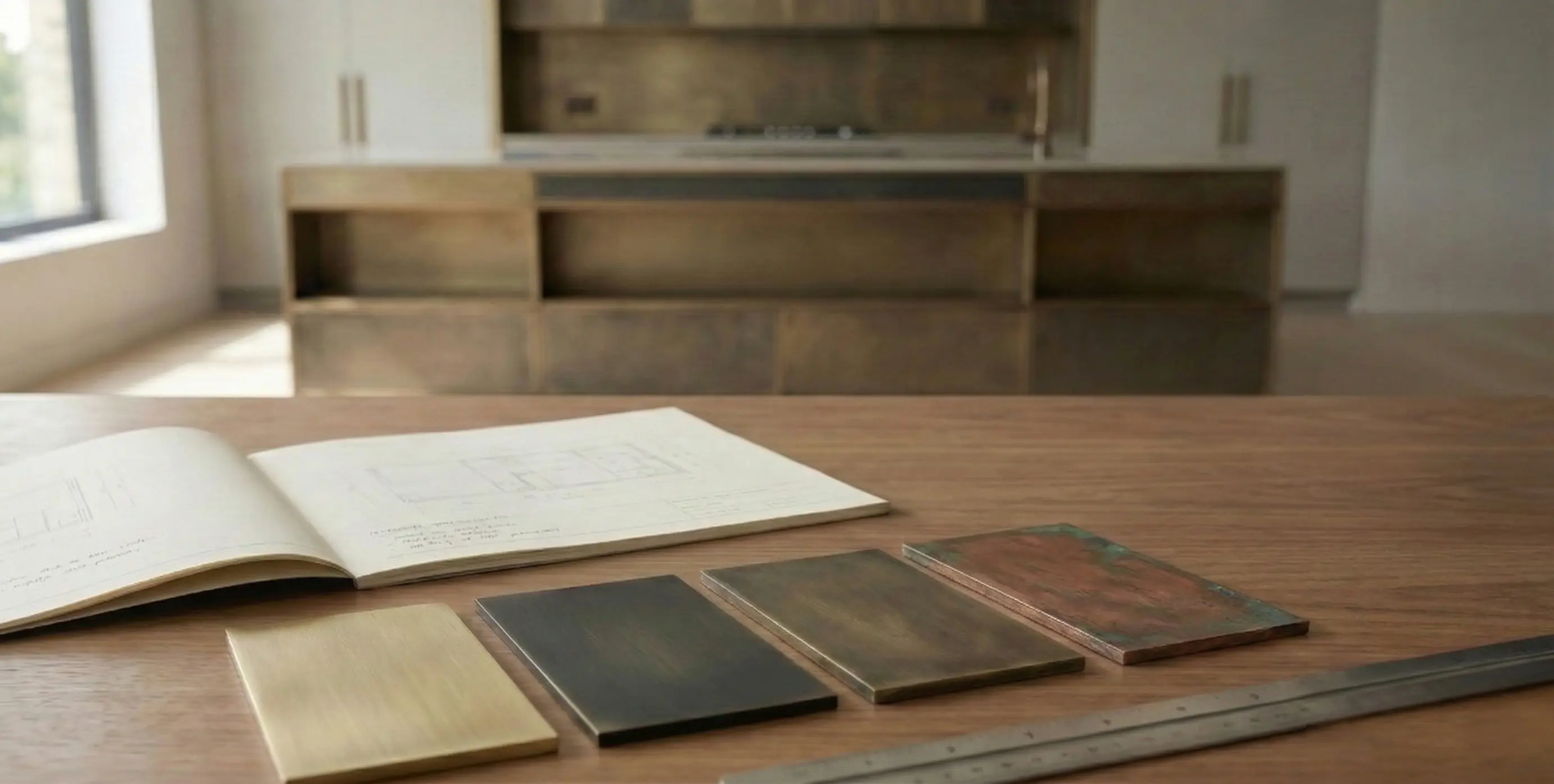
The finish direction is then checked against a real sample. Tone, sheen, color stability expectations, surface feel, lighting, and maintenance expectations are agreed before production so the paint system supports the intended design rather than becoming a late-site decision.

Architectural Painting Advantages

Good architectural painting depends on what happens before the coating is applied. Substrate review, surface preparation, edge work, primer selection, and clean application conditions help the painted finish read consistently across edges, joins, and broad planes.

How to Choose a Paint System

The right architectural painting direction is chosen from the project, not only from a color chart. The team should confirm the substrate, intended use, geometry, edge details, desired sheen, finish effect, cleaning expectations, and whether the element will face exterior, coastal, chemical, mechanical, or unusually high-touch conditions.
After that review, Modulux can propose a suitable primer, paint, and lacquer direction, build a reference sample, and clarify what still requires technical approval before production. For projects where the surface must carry the design without compromise, this early specification work is the difference between paint as a layer and paint as a finished architectural decision.

Substrates, Systems, and Review

Architectural painting can be reviewed for MDF, wood, composite boards, aluminum, iron, steel, stainless steel, and other architectural surfaces. Suitability depends on surface stability, preparation, geometry, use conditions, and the selected system.
Talk to Modulux about architectural painting specification. Send the substrate, intended use, desired color, sheen, finish effect, and a few photos or drawings of the element. The team can respond with a system direction, sample path, and points that require technical confirmation.
Call Now Button