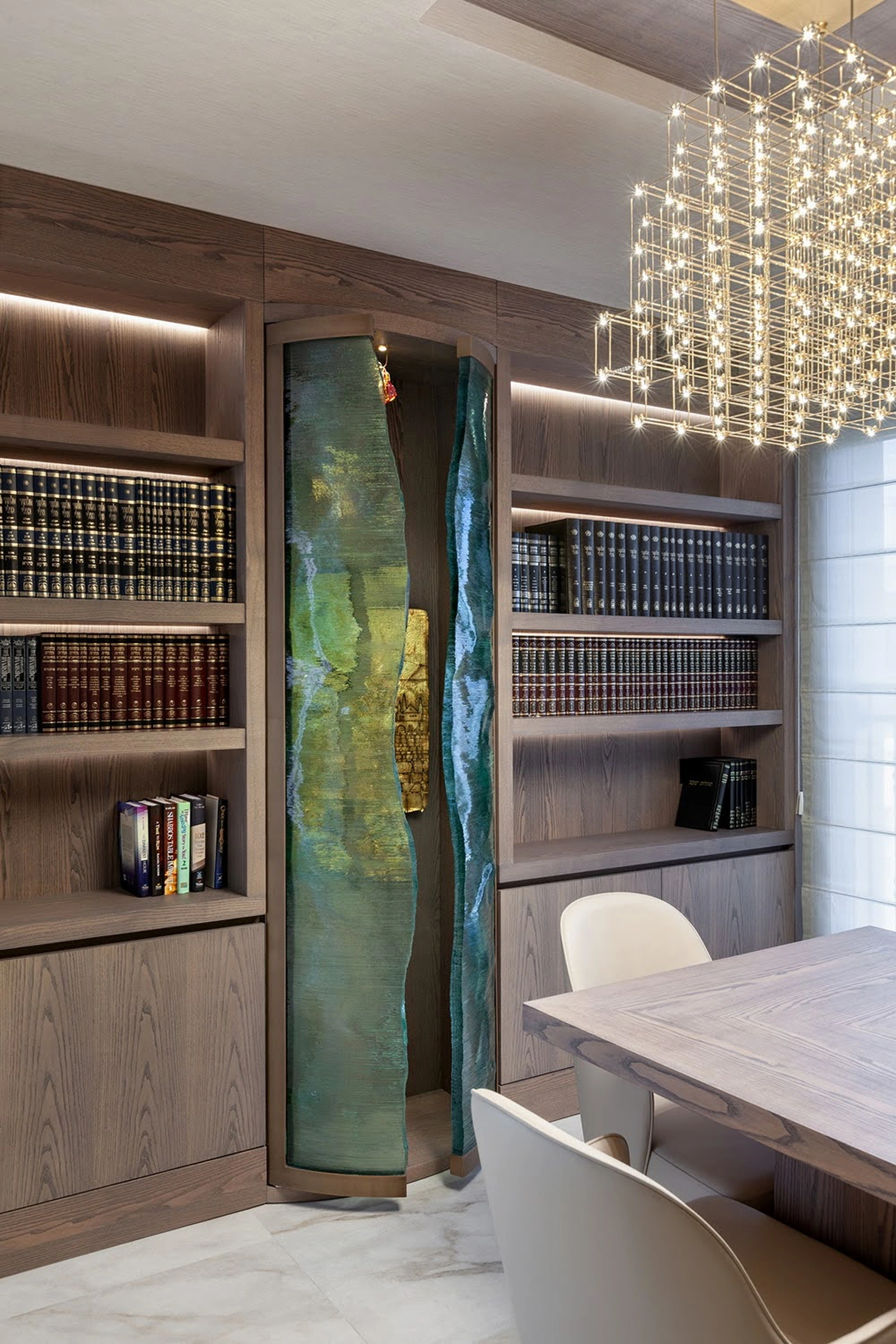
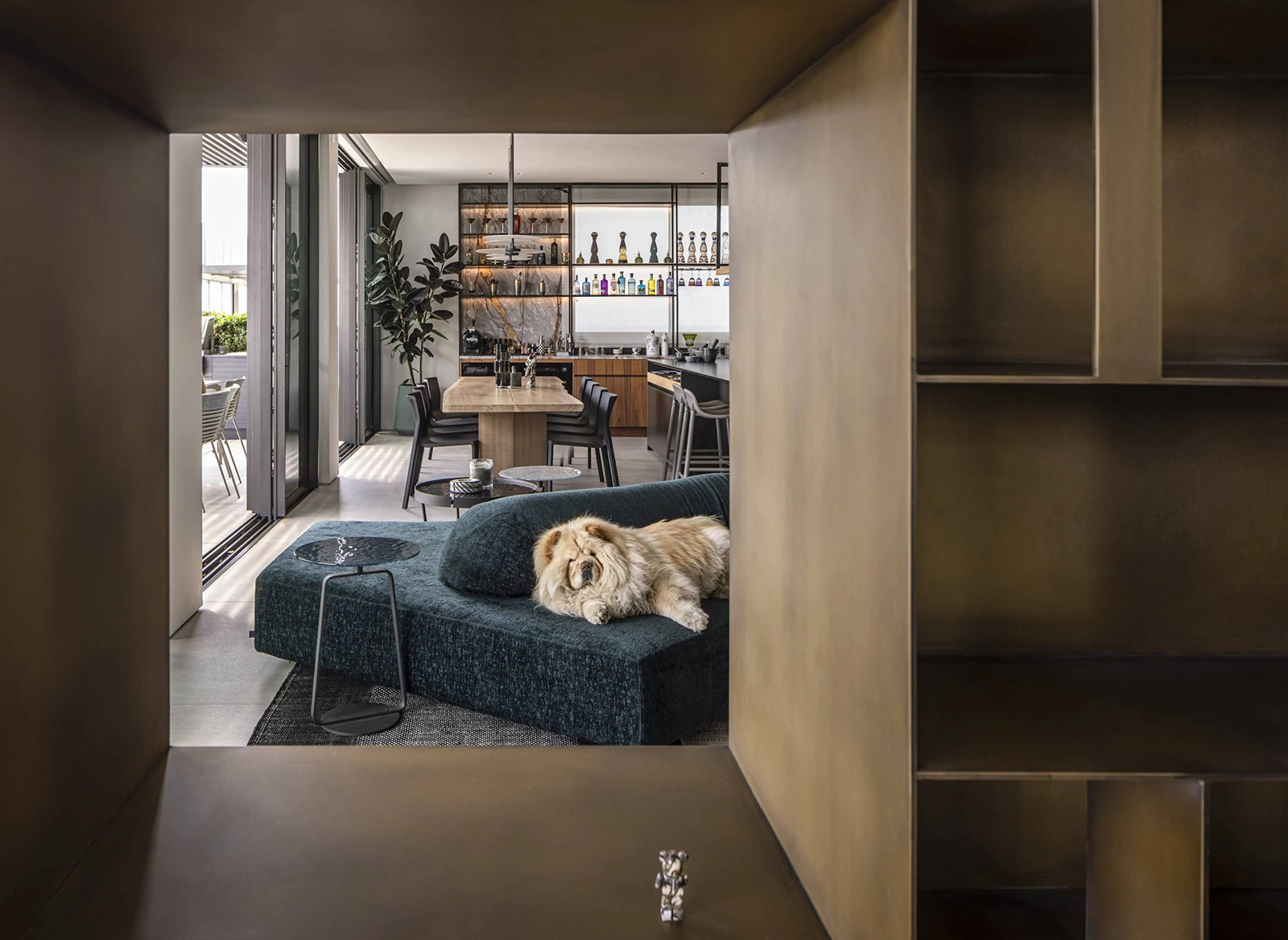
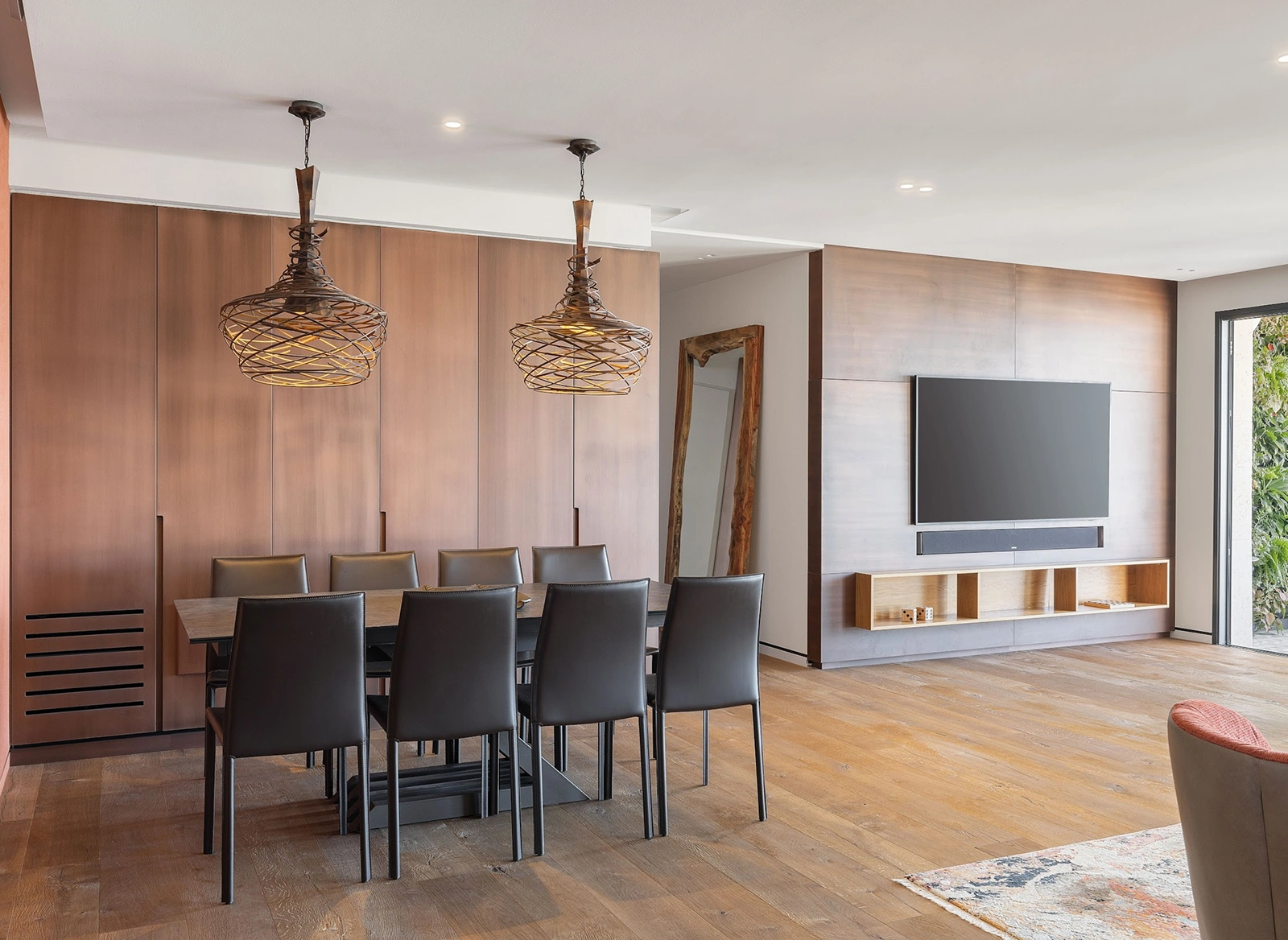
When metal is part of the architectural language, not just a decorative detail, you need a surface that holds its character over time. TruMetal is an arc wire spray coating service that deposits real metal onto a prepared substrate, creating a metal layer you can finish and refine like a solid material.
The value starts with design freedom and real control on site. You can coat fabricated and welded elements, profiles, frames, portals, partitions, and complex details, then bring them together into one clean, consistent visual language. Instead of joints and transitions dictating the look, the finish guides how the piece reads in light.
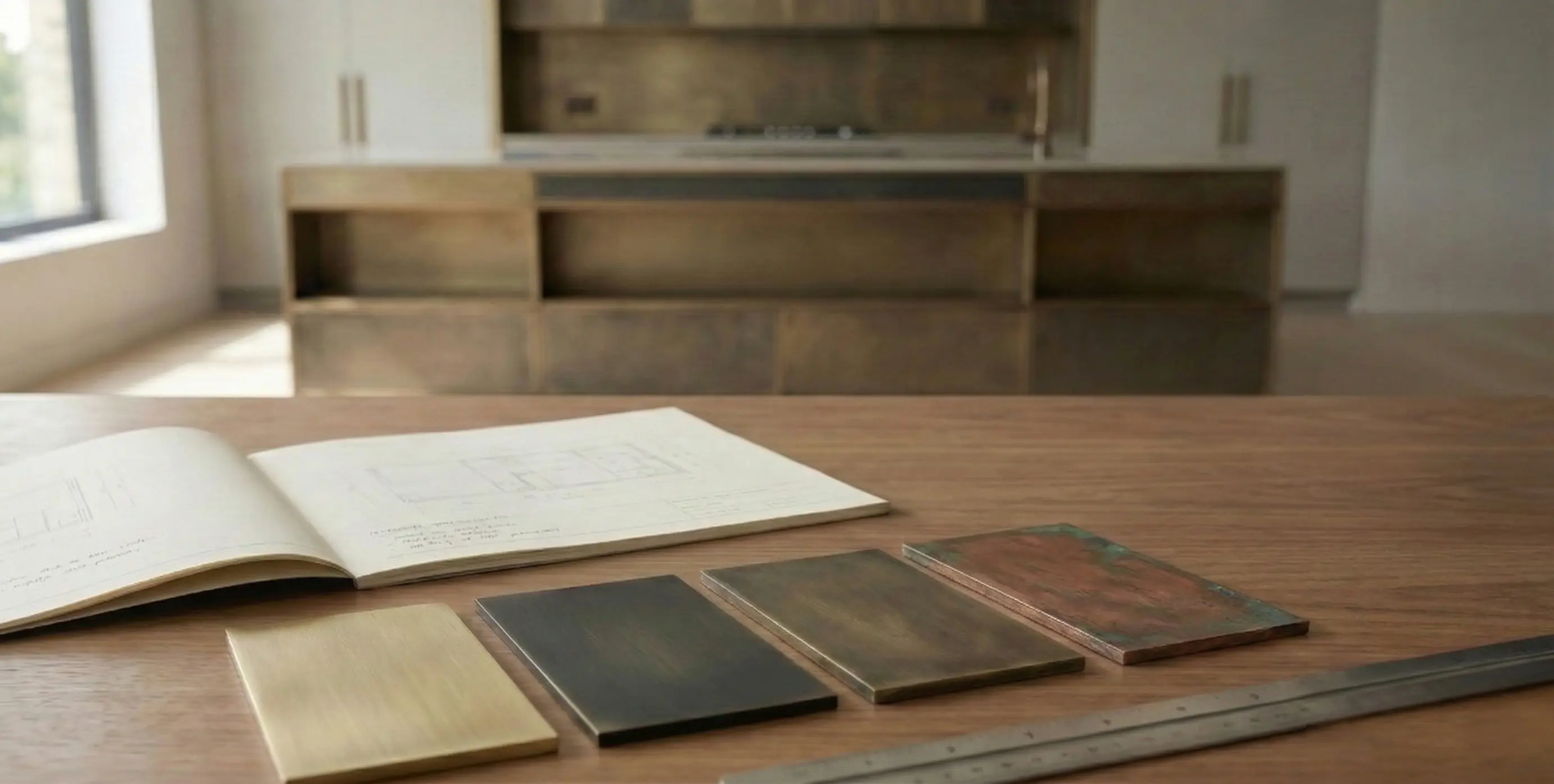
From a specification standpoint, TruMetal fits especially well in high touch areas, frequent cleaning zones, humid environments, or anywhere abrasion and long service life matter. The process runs through sampling and an approved reference panel, so tone, texture, and sheen are defined upfront and repeated consistently through production.
A “strong” metal on paper does not always behave well in the real world. Touch points reveal marks. Daily cleaning shapes the surface. Welded geometry creates transitions that reflect light differently. Once metal becomes a language, even small inconsistencies start to show.
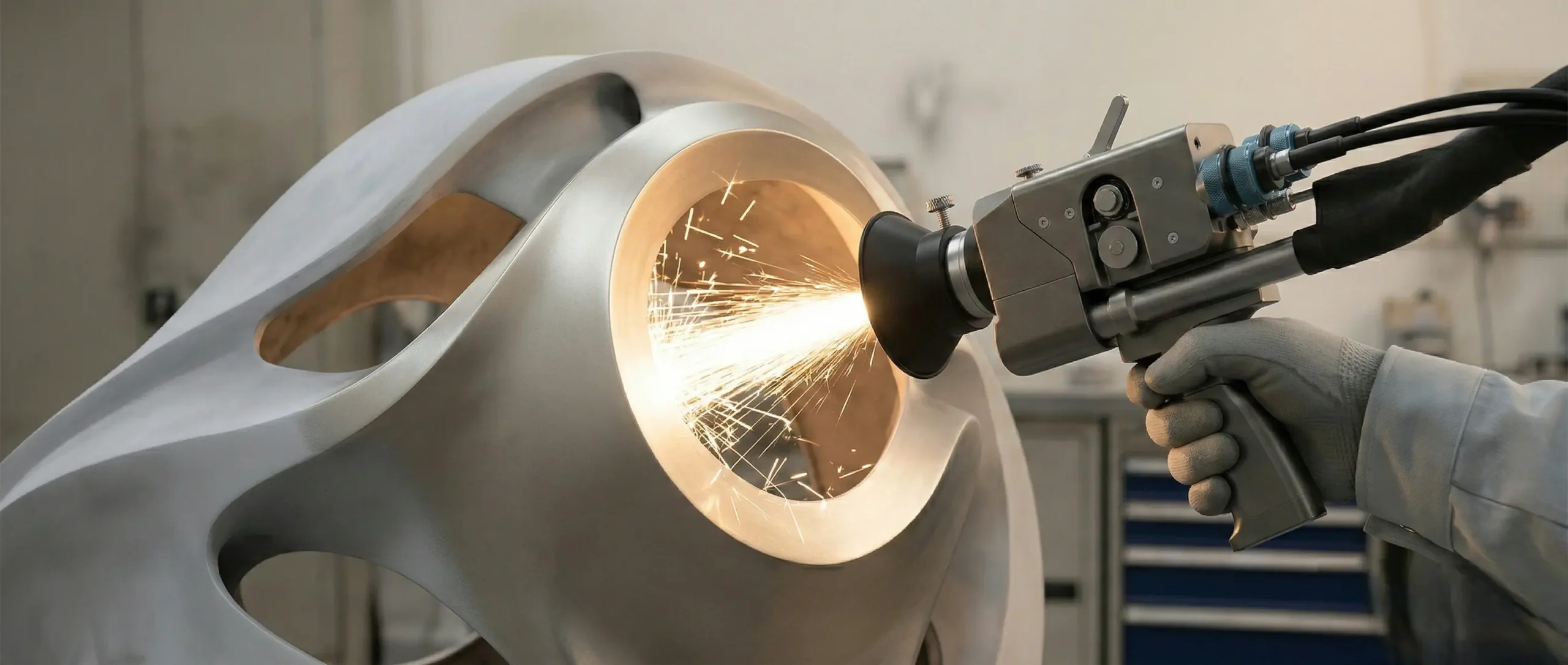
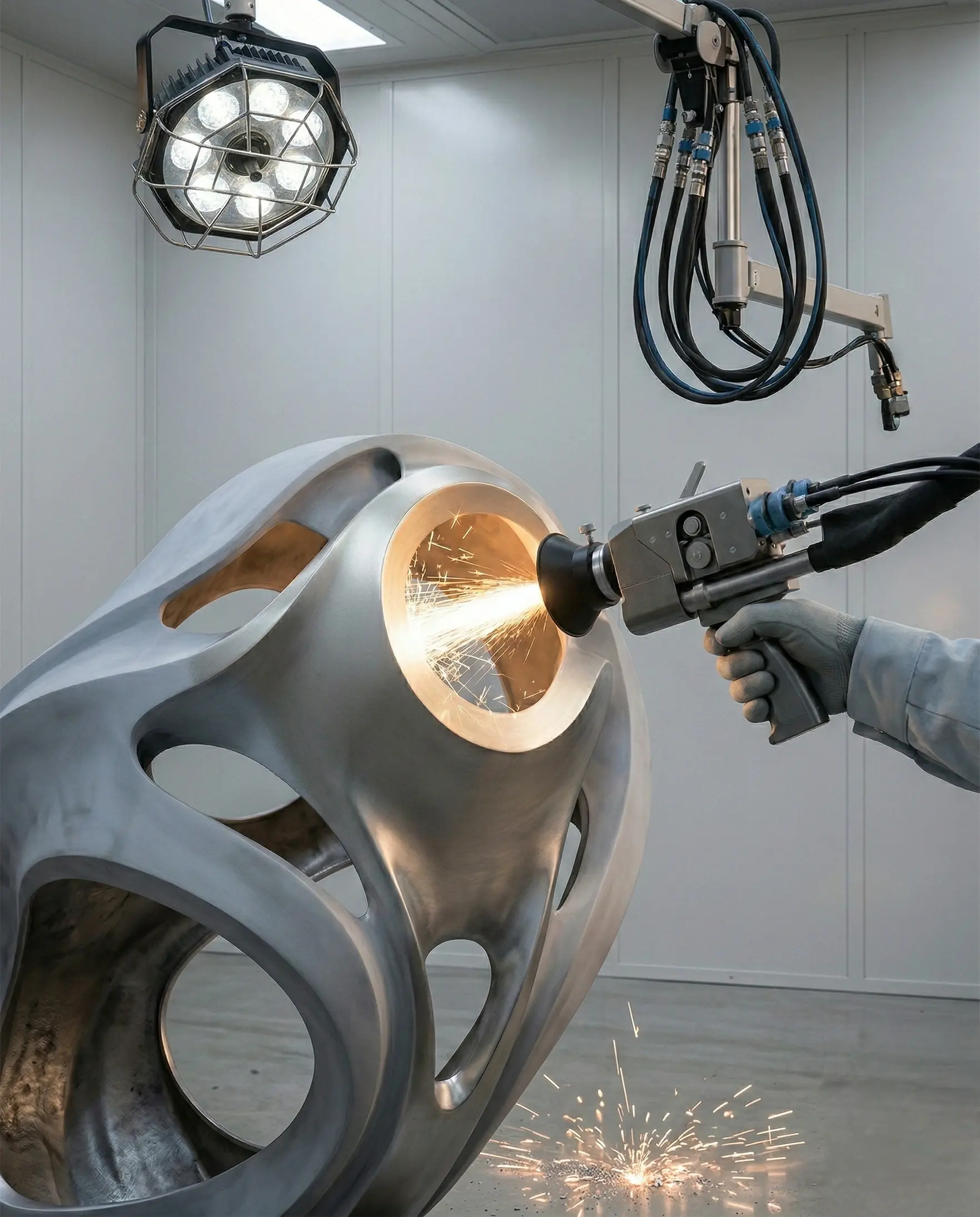
TruMetal addresses this by building a real metal layer through a controlled spray process, then tuning the finish to a clear design intent. The layer is applied over a properly prepared substrate, bonds firmly, and creates a stable base that lets you decide how light should move across the surface. From there, we refine it through leveling, texture control, brushing or polishing, and then stabilize it with a protective topcoat selected for the use case.
For both design and fabrication, this creates a straightforward workflow. You set a finish direction, approve a sample, and apply it across assemblies, profiles, and different elements, so the space stays coherent even when production is complex.
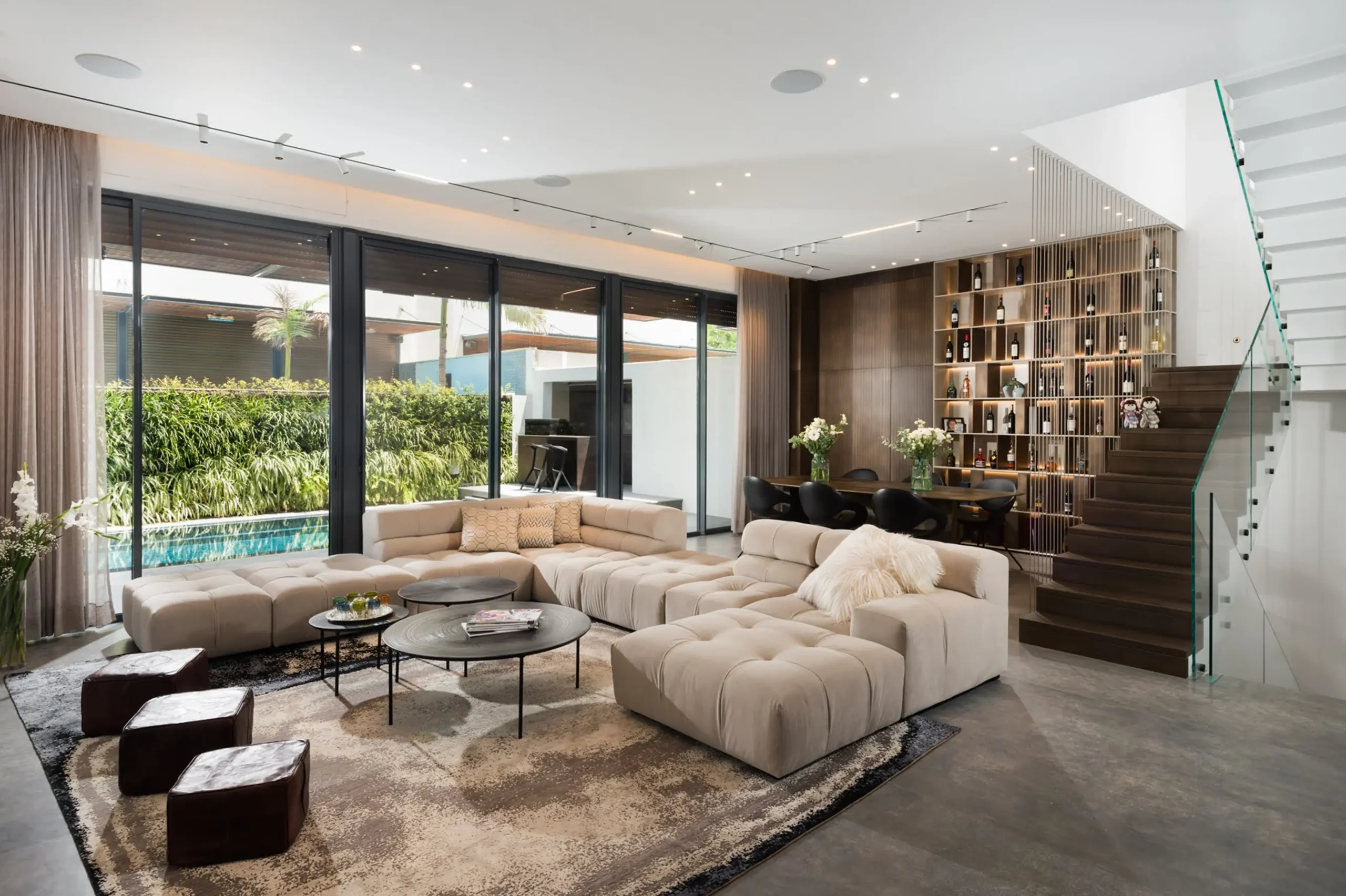
Creating an impressive and luxurious first impression that defines the hospitality experience.
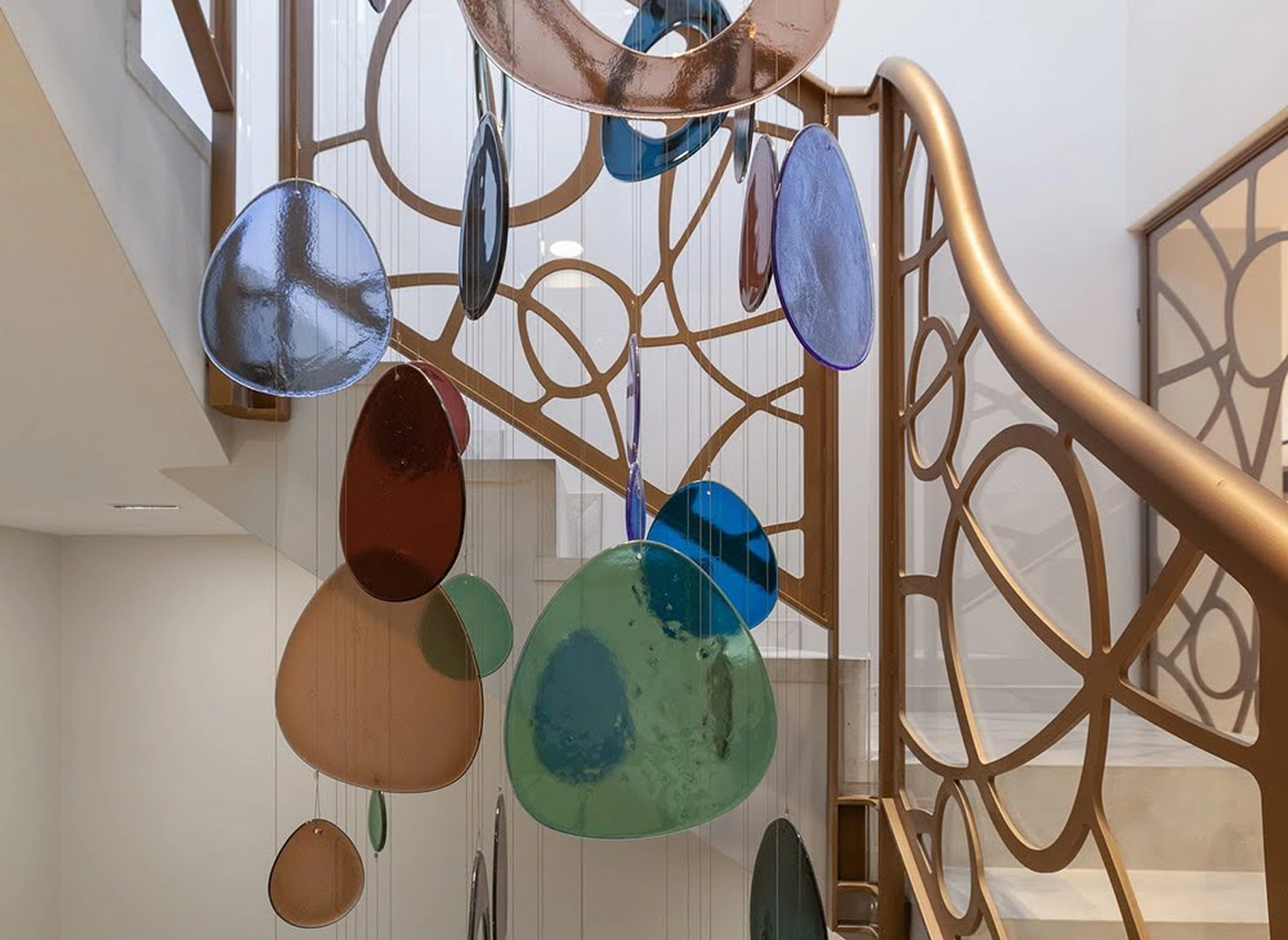
TruMetal comes into focus when an element needs to feel real in the hand and the eye, and stay stable under intensive use. It suits public areas, frames and openings, cladding and edge details, railings, partitions, and pieces that see repeated touch, routine cleaning, and sometimes humidity or exposure.
From a coordination standpoint, it helps unify assemblies coming from different fabricators or different production stages, then close everything under one shared finish language. The work is built around sampling, approval, and a controlled production path that repeats the same tone and texture through delivery.
Where there are welds, joints, shifting reflections, and transitions between profiles, geometry becomes the story. That is where a surface either feels quiet and continuous, or breaks into visual noise. TruMetal is designed to work in that exact zone, holding the material so the form stays legible.
The process starts with proper substrate preparation, then a controlled thermal spray build of the metal layer. The layer is a base, not a final look. After that comes finishing: tuning texture, unifying transitions, and setting reflectivity so the surface sits correctly in both grazing light and warm interior lighting. The goal is a clean architectural language, where edges read sharp and surfaces do not “jump” from one unit to the next.
Finally, a protective topcoat is selected based on the environment, touch level, and cleaning routine. This is not a promise of “no maintenance”, it is a practical way to stabilize tone and sheen and make the surface more workable day to day. When needed, a simple maintenance plan can be defined, so the metal keeps carrying light without surprises.

TruMetal creates a real metal layer built through spraying over a prepared substrate. The result is a stable metallic base that supports an architectural finish without relying on thin decorative films. In projects that require long service life, this is a practical starting point that reduces risk and adds planning stability.
Doors, portals, railings, partitions, and profiles get repeated touch and routine cleaning, and that always leaves a trace. TruMetal creates a metal layer intended for real use, then allows a protective topcoat to be chosen for the environment. That helps keep the look calm and intentional, even under daily routines.
Welded assemblies always include transitions, seams, and small changes that read differently in light. TruMetal can coat the assembly as one continuous metal layer, then finish it to match an approved reference panel. This creates consistency, especially under grazing light where every deviation shows.
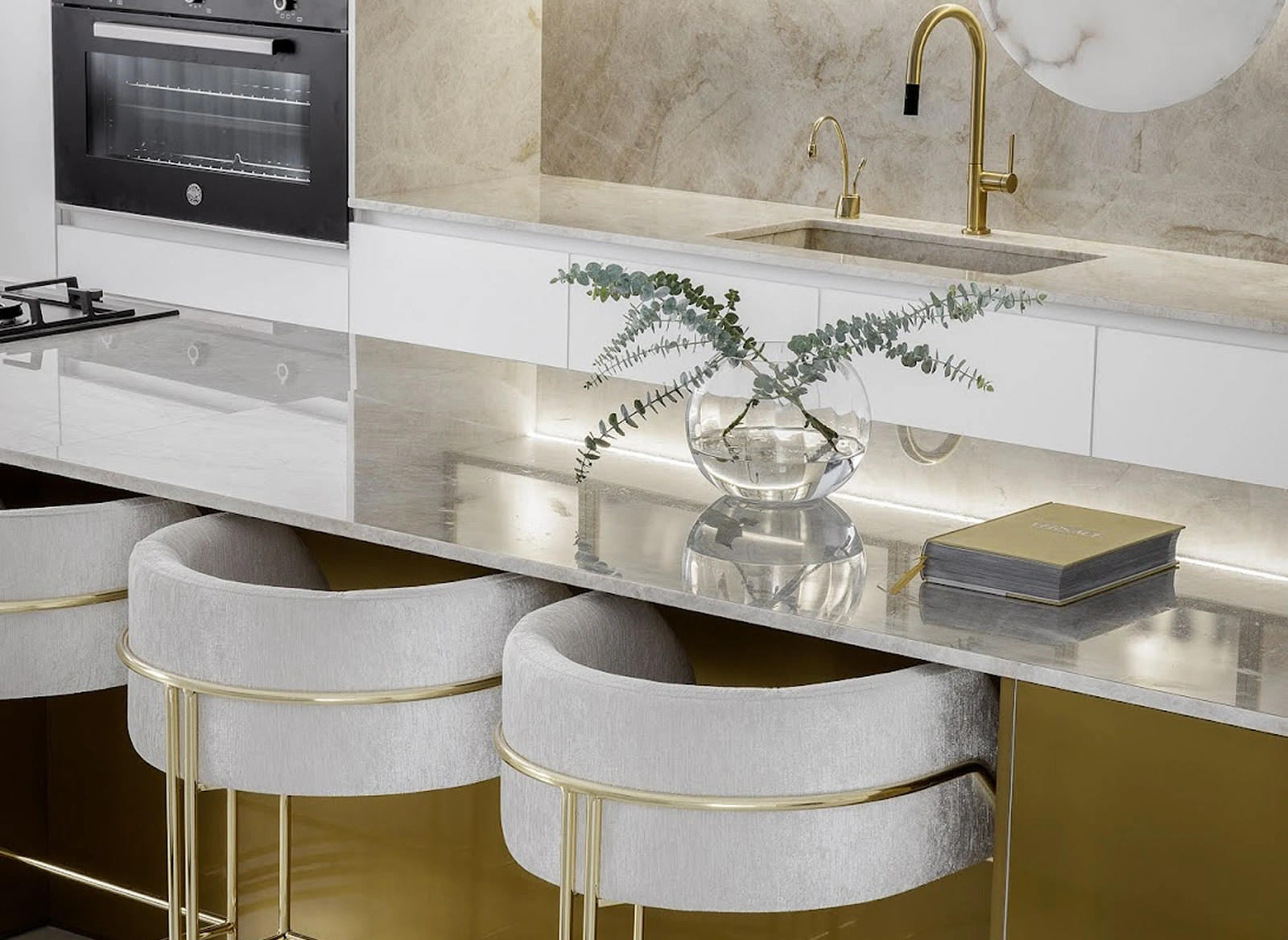
You can choose a calm direction like satin or a fine brush, or develop deeper tones and controlled aged effects. The principle stays the same: control and repeatability. Samples define the target, production follows it, so the metal reads intentional, not accidental.
TruMetal performs best when inputs are clear: substrate, environment, touch level, and finish direction. Approval is sample based, then production is tuned for repeatability. This supports coordination across trades and reduces uncertainty during fabrication and delivery.
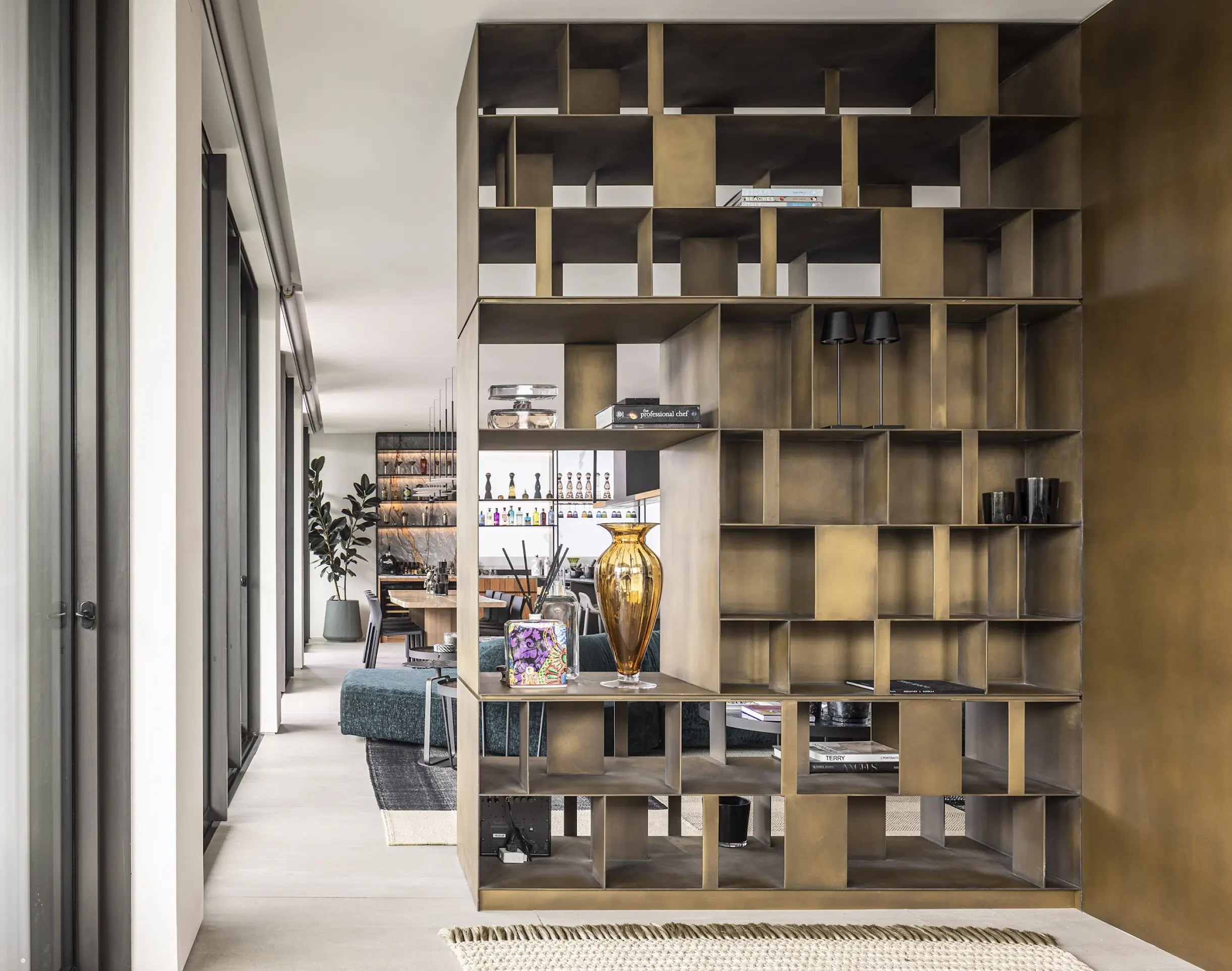
TruMetal lets you build a metal language that balances restraint with presence. Many projects start with a calm architectural direction: satin or brushing that softens reflections and lowers visual noise. This is especially effective on large surfaces, portals, and edge details, where continuity matters more than statement.
When an element needs to become a focal point, the finish can be sharpened toward cleaner highlights, while keeping the system practical for use and cleaning. And for projects that want a more “rooted” metal character, deeper tones and controlled aged effects can be developed, always against an approved reference palette to keep repeatability across units and across delivery stages.
TruMetal can be produced in different metals depending on the desired look and the architectural context. Selection is based on tone, behavior in light, and environmental conditions. If the project has an existing element the finish needs to sit next to, we work from a physical reference and develop an approval sample.
After the metal layer is built, finish direction and visual character are defined through controlled finishing. Then a protective topcoat is selected based on touch level, cleaning routine, humidity, and conditions of use. It is part of the system, not an add on, and it influences tone and sheen stability over time.
The workflow is built so a specifier can decide with confidence. You share the substrate and conditions, define finish direction, and approve a sample. After approval, production is aligned to the reference sample to keep consistency across units, batches, and delivery stages, including coordination with fabricators and contractors.
If TruMetal feels right for your project, we’d be glad to review the context, the substrate, the use conditions, and the finish you’re aiming for. Share a drawing, a photo, or a short spec, and we’ll get back to you with a clear recommendation, a practical process, and a sample path for approval.
WhatsApp us