
What Is TruMetal Metallization and How Arc Metal Spraying Unlocks Real Design Freedom

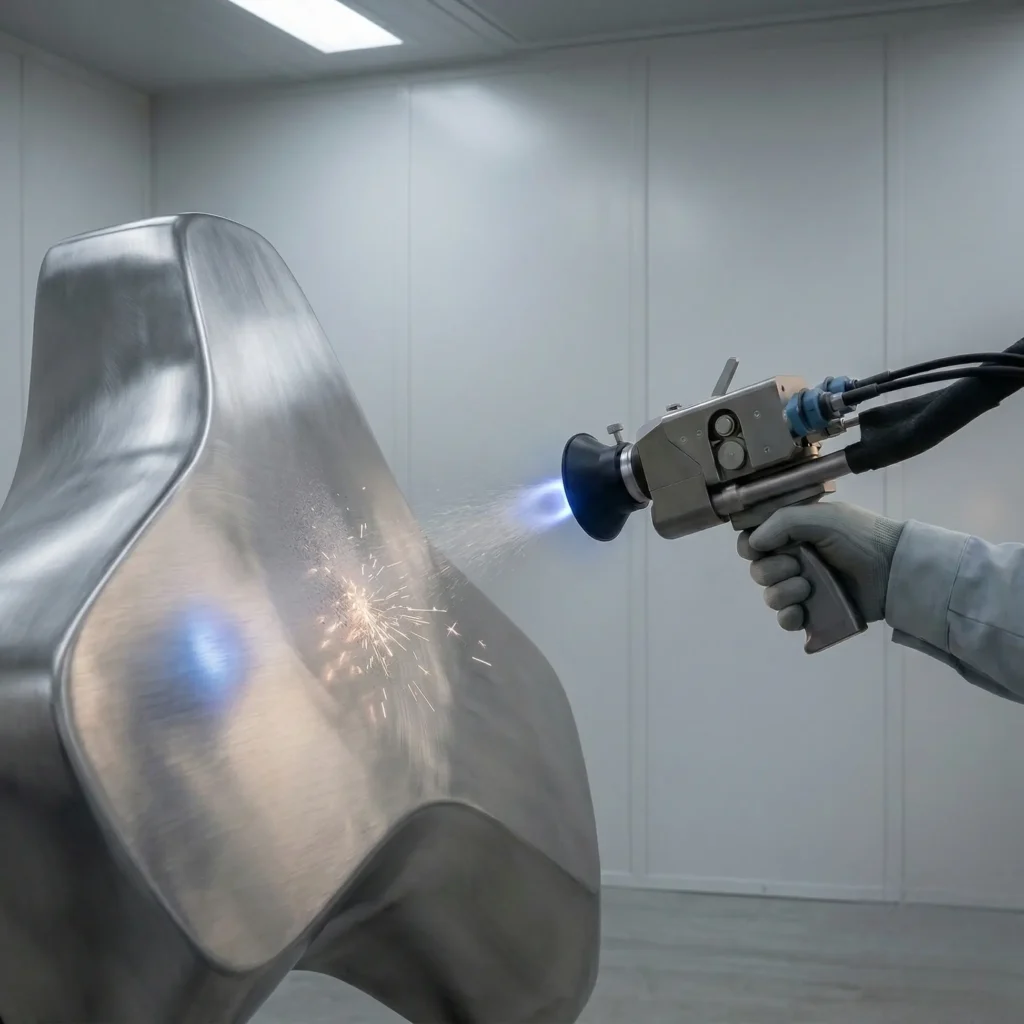
UFO Monument coated with TruMetal polished Zinc

There’s a moment in the design process when metal stops being a material and starts being a constraint. Heavy weight, welds that stay visible, complicated installation, finishes that feel too delicate, and sometimes a price tag that forces compromises. TruMetal was built for that exact moment. Not to replace metal, but to make metal design possible even when there’s no realistic way to build the element out of the decorative metal itself, and you still want true material presence and a result that holds up in everyday use.

With TruMetal, the metal becomes a real layer that’s built over a project appropriate substrate, then refined and finished until it sits naturally in the space. That’s what arc metal spraying gives a designer: control over the look, the touch, and the way light moves across the surface, without being locked into the structural material underneath. Metal design becomes a planned language here. Not a cover up trick. Not a compromise you try to hide.

TruMetal, in the Clearest Definition

TruMetal is a process where we use arc metal spraying to build a real metal layer on an existing element or a newly fabricated one. In simple terms, TruMetal lets you choose a substrate that makes sense for structure, connections, strength, or budget, and then give it a decorative metal finish that looks and feels exactly like metal. The big advantage is that you can apply this layer on a wide range of substrates, like MDF, aluminum, or steel, while also choosing almost any decorative metal based on the design direction: brass, bronze, copper, Corten, and more. That’s real design freedom, because you can choose the body for what needs to work, and the metal for what needs to be seen.

This matters most in structural elements. Sometimes you need a rigid material to keep stability, safety, and proper connections. Instead of fighting the limits of a decorative metal that doesn’t fit the engineering role, you build the element out of the right material, and then add the material language using arc based metal spraying. That way, metal design stays true to the architectural idea, even when the internal structure is dictated by practical fabrication constraints.

Why This Matters to Designers and Fabricators

Designers keep running into the same equation. On one side, they want metal with depth, real texture, and natural light reflection. On the other side, once you go with solid metal, you get the consequences. Weight that demands reinforcement, welds that show up under side lighting, installs that get complicated, and sometimes maintenance that requires extra caution. TruMetal helps pull a project out of that corner because it separates what carries the element from what gives it presence. The result is metal design that feels right in the space, while still being planned for real life use.

This is also where metal coating solves problems quietly. When you have welded assemblies, joints, and connections that must be there, the metal layer helps unify how the element reads. Instead of seeing a collection of parts, you see one language. Instead of dealing with material compromises, you get a solution that gives you more freedom without giving up order and precision.

Idea, Material, Process, Effect

The idea behind TruMetal is simple, but it runs deep: give a surface a real metal identity, even if the substrate isn’t the decorative metal. That lets you design for structural needs first, then dress the element in a metal language that looks and feels like a solid material, not like a coating. When metal is planned as a layer, it’s easier to define where you want higher durability, where you want a better touch feel, and how the surface should behave under changing light. Metal design becomes a systematic decision, not only an emotional one.

The “material” in this system is a combination: a strong, project appropriate substrate, plus a real metal layer chosen for the design direction. That’s why arc metal spraying can turn MDF or aluminum into a surface that feels like brass, bronze, or copper. In professional terms, this connects to metallization: building a real metal layer on a base material. Within that family, TruMetal is based on arc metal spraying as part of twin arc spray processes, so the layer is built in a controlled way, and then it can be refined into a precise finish.

The effect in the space comes from one fact: metal is metal. Light doesn’t just sit on the surface, it breaks, sharpens, and highlights lines, radiuses, and transitions. With a brushed finish, light stretches and shows direction. With a calmer finish, reflections stay quiet. With deeper finishes, the tone gains presence without feeling heavy. That’s why TruMetal delivers metal design that feels natural, respectful of the space, and not overbearing.

What the TruMetal Process Looks Like in Practice

To get a stable, consistent result, TruMetal has to run as a disciplined process, not as improvisation. We start by matching the substrate and defining the use environment: where the element sits, how often it’s touched, what the cleaning routine looks like, and what the target look is. Then we choose the right surface prep so the metal layer bonds properly and stays stable over time, especially on edges, transitions, and complex zones. At this stage, decisions already affect metal design directly, because prep influences how the surface reads and how consistent it will look.

Next comes building the metal layer. This is where thermal spraying happens, and within that family, arc metal spraying makes it possible to build a real metal layer efficiently and in a controlled way. This is the foundation that lets you refine the finish later without losing material depth. After the layer is built, we move into refinement and finishing based on the design definition. You don’t have one default finish, and that’s a strength, because TruMetal is meant to serve the design decision, not dictate it. At this stage, we tune the surface so it sits correctly in the space: brushed, satin, deeper and darker, or brighter, while keeping consistency across different parts so the metal design reads as one language, not a mix of unrelated pieces.

Finally, we close the system with LuxKote Ceramic Clear. This is a ceramic clear protective layer designed to help keep the look stable in high touch, regularly cleaned environments. It’s what turns a metal sprayed coating into a practical solution you can live with day to day. That connection between a real metal layer and the right ceramic protection helps you plan not only how it will look, but also how it will behave after handover.

Where TruMetal Fits in Real Projects

TruMetal is especially relevant when you need a real metal layer on elements that must be strong, stable, or engineered around structural constraints and requirements. That’s why it shows up often in restaurants and furniture: these are environments with movement, touch, frequent cleaning, and real usage conditions. In those contexts, metal design has to be both beautiful and durable, and it has to stay consistent as light shifts from day to night.

To make the picture clear, here are common use cases: sculptures, pergolas, railing design, luxury wall cladding, lobby design, and designed bookshelves. What they all share is the need for an element that works correctly from the inside, structurally, while projecting a precise metal language on the outside. This is where thermal metal spraying makes it possible to get the look without sacrificing the engineering.

Maintenance and Setting Expectations

Like any high-quality surface, metal needs reasonable maintenance and clear expectations. The way to keep the result stable over time is to define the use environment up front, then choose the finish and protective layer accordingly. LuxKote Ceramic Clear is meant to support everyday routines, so for most projects the recommendation is simple cleaning, avoiding abrasive materials, and matching the sheen level and texture to what the space actually demands. That’s how metal design stays clean and alive, instead of becoming something people are afraid to touch.

TruMetal, a Short Summary for Designers and Fabricators

TruMetal connects the structure of an element with the material language it needs to express. It enables a arc sprayed metal coating on almost any substrate, and in almost any decorative metal, so you can design correctly from an engineering standpoint while still reaching a rich, precise result. When the work runs through a disciplined process of matching, building, refining, and protecting with LuxKote Ceramic Clear, you get metal design that looks natural in the space, behaves well with light, and is ready for real use.

What Is TruMetal Metallization and How Arc Metal Spraying Unlocks Real Design Freedom

There’s a moment in the design process when metal stops being a material and starts being a constraint. Heavy weight, welds that stay visible, complicated installation, finishes that feel too delicate, and sometimes a price tag that forces compromises. TruMetal was built for that exact moment. Not to replace metal, but to make metal design possible even when there’s no realistic way to build the element out of the decorative metal itself, and you still want true material presence and a result that holds up in everyday use.

With TruMetal, the metal becomes a real layer that’s built over a project appropriate substrate, then refined and finished until it sits naturally in the space. That’s what arc metal spraying gives a designer: control over the look, the touch, and the way light moves across the surface, without being locked into the structural material underneath. Metal design becomes a planned language here. Not a cover up trick. Not a compromise you try to hide.

TruMetal, in the Clearest Definition

TruMetal is a process where we use arc metal spraying to build a real metal layer on an existing element or a newly fabricated one. In simple terms, TruMetal lets you choose a substrate that makes sense for structure, connections, strength, or budget, and then give it a decorative metal finish that looks and feels exactly like metal. The big advantage is that you can apply this layer on a wide range of substrates, like MDF, aluminum, or steel, while also choosing almost any decorative metal based on the design direction: brass, bronze, copper, Corten, and more. That’s real design freedom, because you can choose the body for what needs to work, and the metal for what needs to be seen.

This matters most in structural elements. Sometimes you need a rigid material to keep stability, safety, and proper connections. Instead of fighting the limits of a decorative metal that doesn’t fit the engineering role, you build the element out of the right material, and then add the material language using arc based metal spraying. That way, metal design stays true to the architectural idea, even when the internal structure is dictated by practical fabrication constraints.

Why This Matters to Designers and Fabricators

Designers keep running into the same equation. On one side, they want metal with depth, real texture, and natural light reflection. On the other side, once you go with solid metal, you get the consequences. Weight that demands reinforcement, welds that show up under side lighting, installs that get complicated, and sometimes maintenance that requires extra caution. TruMetal helps pull a project out of that corner because it separates what carries the element from what gives it presence. The result is metal design that feels right in the space, while still being planned for real life use.

This is also where metal coating solves problems quietly. When you have welded assemblies, joints, and connections that must be there, the metal layer helps unify how the element reads. Instead of seeing a collection of parts, you see one language. Instead of dealing with material compromises, you get a solution that gives you more freedom without giving up order and precision.

Idea, Material, Process, Effect

The idea behind TruMetal is simple, but it runs deep: give a surface a real metal identity, even if the substrate isn’t the decorative metal. That lets you design for structural needs first, then dress the element in a metal language that looks and feels like a solid material, not like a coating. When metal is planned as a layer, it’s easier to define where you want higher durability, where you want a better touch feel, and how the surface should behave under changing light. Metal design becomes a systematic decision, not only an emotional one.

The “material” in this system is a combination: a strong, project appropriate substrate, plus a real metal layer chosen for the design direction. That’s why arc metal spraying can turn MDF or aluminum into a surface that feels like brass, bronze, or copper. In professional terms, this connects to metallization: building a real metal layer on a base material. Within that family, TruMetal is based on arc metal spraying as part of twin arc spray processes, so the layer is built in a controlled way, and then it can be refined into a precise finish.

The effect in the space comes from one fact: metal is metal. Light doesn’t just sit on the surface, it breaks, sharpens, and highlights lines, radiuses, and transitions. With a brushed finish, light stretches and shows direction. With a calmer finish, reflections stay quiet. With deeper finishes, the tone gains presence without feeling heavy. That’s why TruMetal delivers metal design that feels natural, respectful of the space, and not overbearing.

What the TruMetal Process Looks Like in Practice

To get a stable, consistent result, TruMetal has to run as a disciplined process, not as improvisation. We start by matching the substrate and defining the use environment: where the element sits, how often it’s touched, what the cleaning routine looks like, and what the target look is. Then we choose the right surface prep so the metal layer bonds properly and stays stable over time, especially on edges, transitions, and complex zones. At this stage, decisions already affect metal design directly, because prep influences how the surface reads and how consistent it will look.

Next comes building the metal layer. This is where thermal spraying happens, and within that family, arc metal spraying makes it possible to build a real metal layer efficiently and in a controlled way. This is the foundation that lets you refine the finish later without losing material depth. After the layer is built, we move into refinement and finishing based on the design definition. You don’t have one default finish, and that’s a strength, because TruMetal is meant to serve the design decision, not dictate it. At this stage, we tune the surface so it sits correctly in the space: brushed, satin, deeper and darker, or brighter, while keeping consistency across different parts so the metal design reads as one language, not a mix of unrelated pieces.

Finally, we close the system with LuxKote Ceramic Clear. This is a ceramic clear protective layer designed to help keep the look stable in high touch, regularly cleaned environments. It’s what turns a metal sprayed coating into a practical solution you can live with day to day. That connection between a real metal layer and the right ceramic protection helps you plan not only how it will look, but also how it will behave after handover.

Where TruMetal Fits in Real Projects

TruMetal is especially relevant when you need a real metal layer on elements that must be strong, stable, or engineered around structural constraints and requirements. That’s why it shows up often in restaurants and furniture: these are environments with movement, touch, frequent cleaning, and real usage conditions. In those contexts, metal design has to be both beautiful and durable, and it has to stay consistent as light shifts from day to night.

To make the picture clear, here are common use cases: sculptures, pergolas, railing design, luxury wall cladding, lobby design, and designed bookshelves. What they all share is the need for an element that works correctly from the inside, structurally, while projecting a precise metal language on the outside. This is where thermal metal spraying makes it possible to get the look without sacrificing the engineering.

Maintenance and Setting Expectations

Like any high-quality surface, metal needs reasonable maintenance and clear expectations. The way to keep the result stable over time is to define the use environment up front, then choose the finish and protective layer accordingly. LuxKote Ceramic Clear is meant to support everyday routines, so for most projects the recommendation is simple cleaning, avoiding abrasive materials, and matching the sheen level and texture to what the space actually demands. That’s how metal design stays clean and alive, instead of becoming something people are afraid to touch.

TruMetal, a Short Summary for Designers and Fabricators

TruMetal connects the structure of an element with the material language it needs to express. It enables a arc sprayed metal coating on almost any substrate, and in almost any decorative metal, so you can design correctly from an engineering standpoint while still reaching a rich, precise result. When the work runs through a disciplined process of matching, building, refining, and protecting with LuxKote Ceramic Clear, you get metal design that looks natural in the space, behaves well with light, and is ready for real use.

UFO Monument coated with TruMetal polished Zinc
Call Now Button