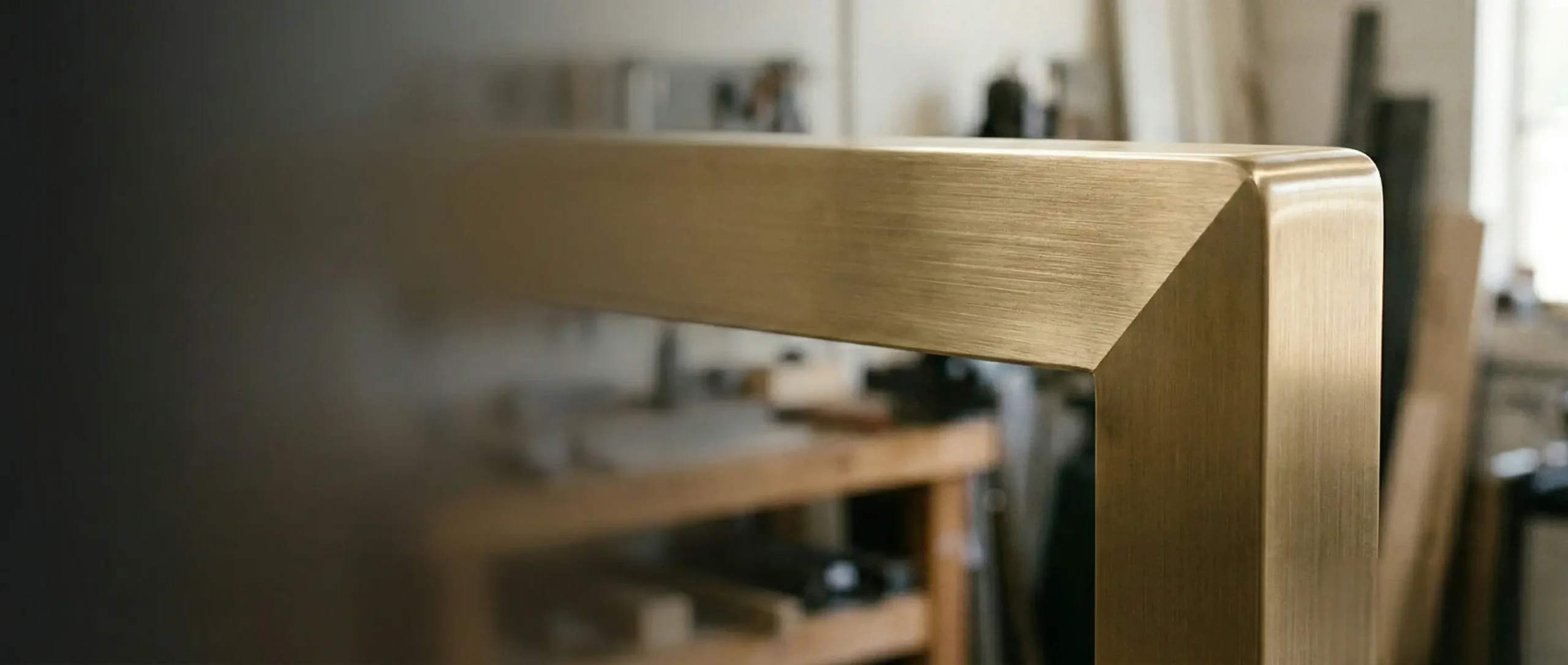
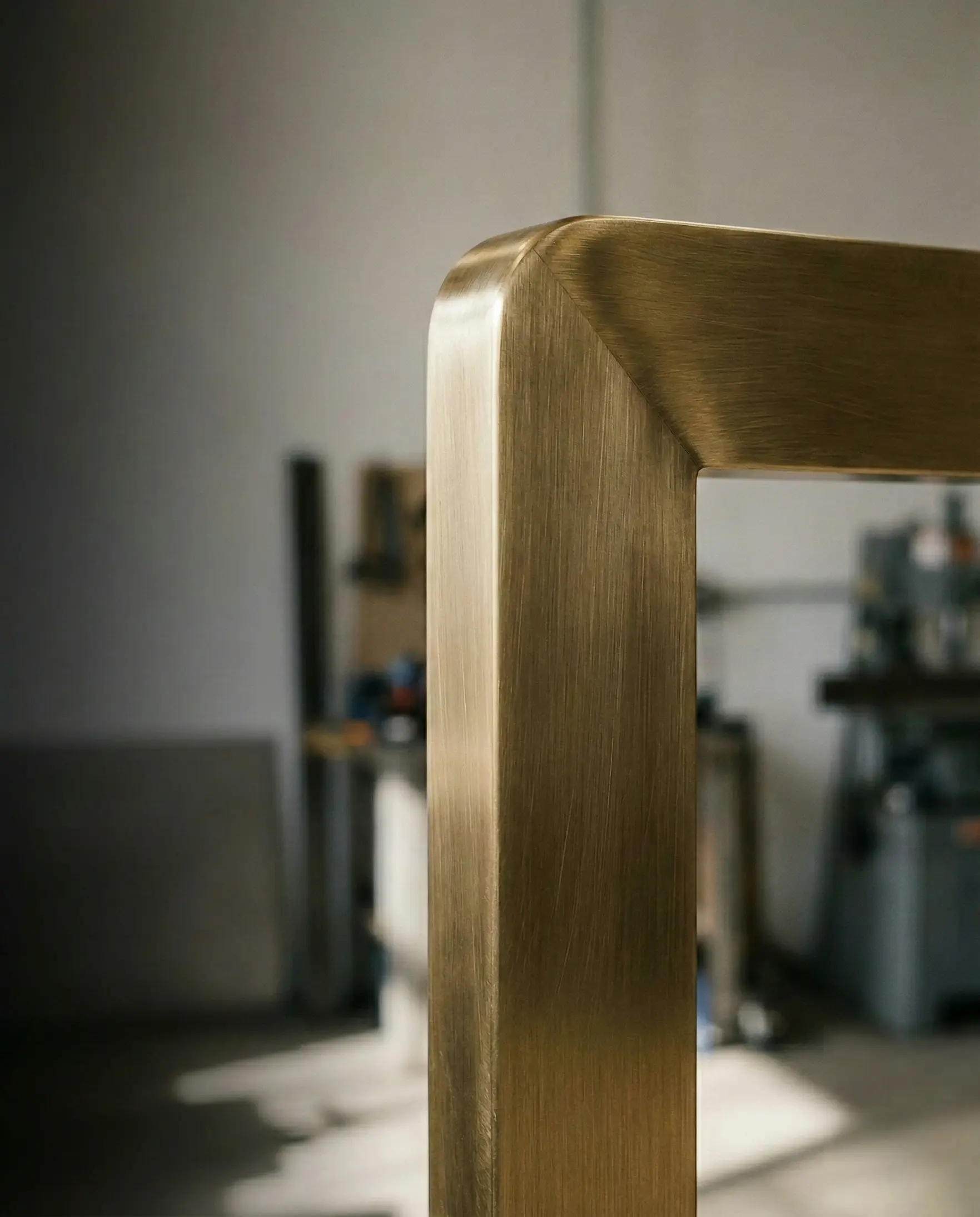
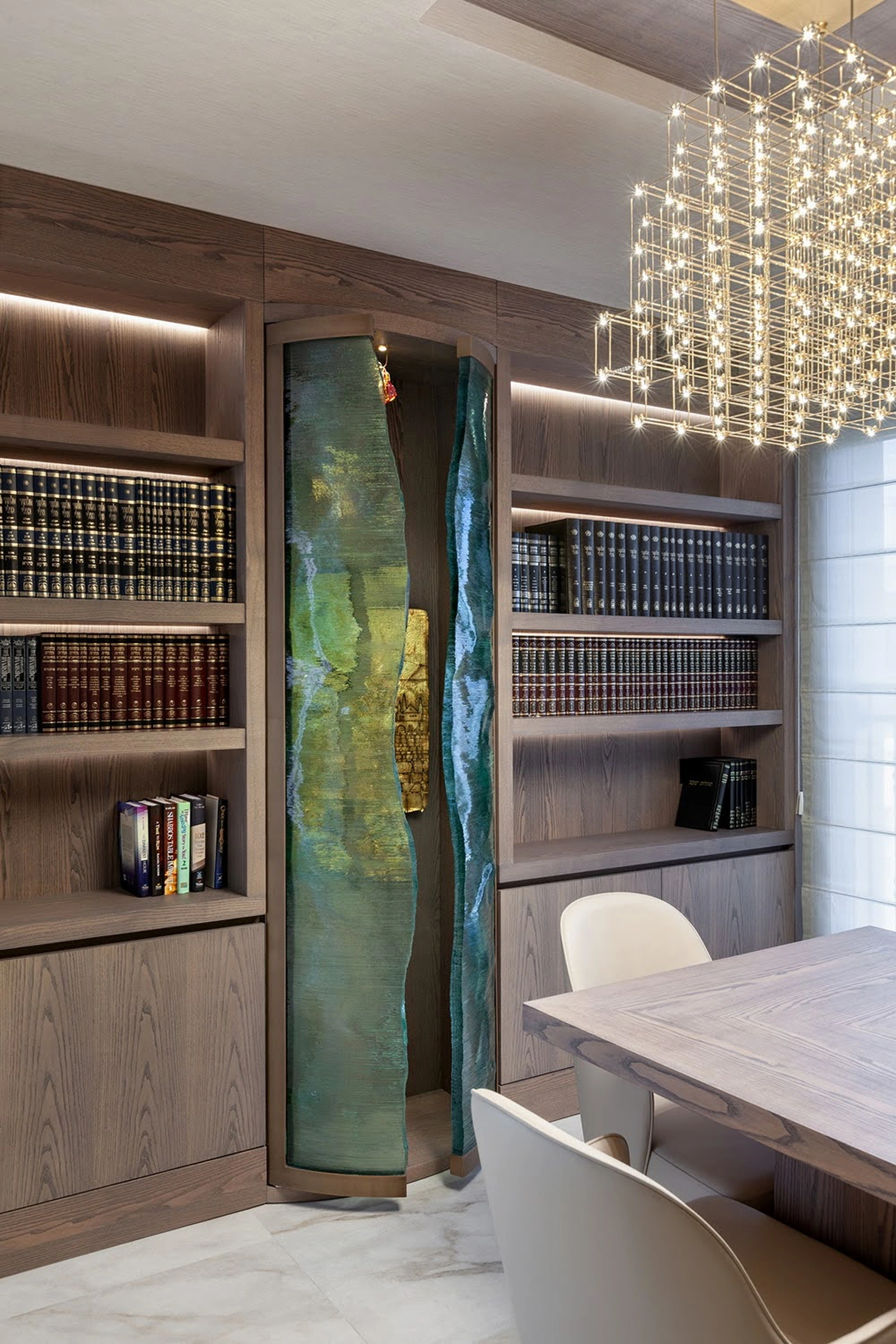
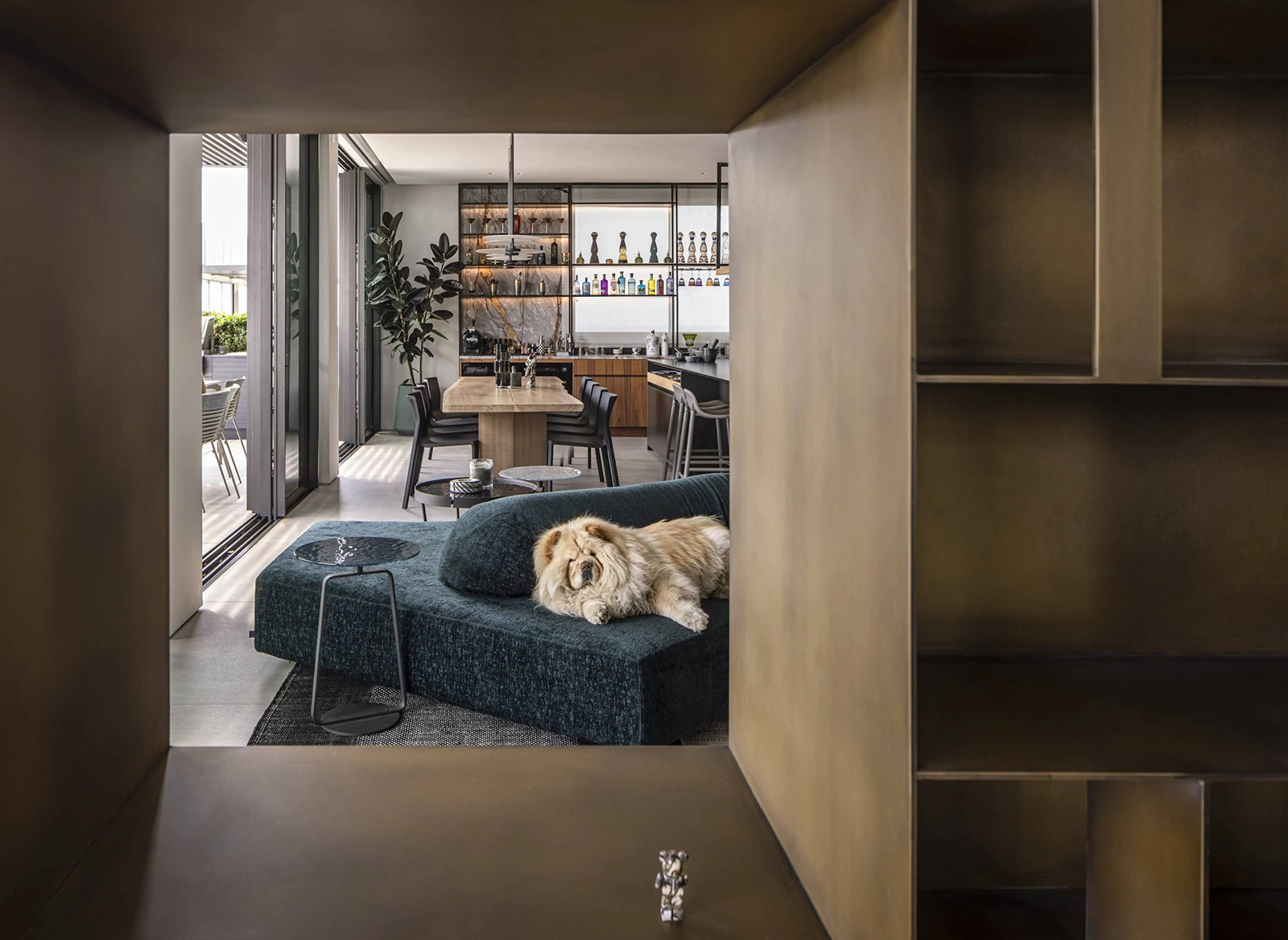
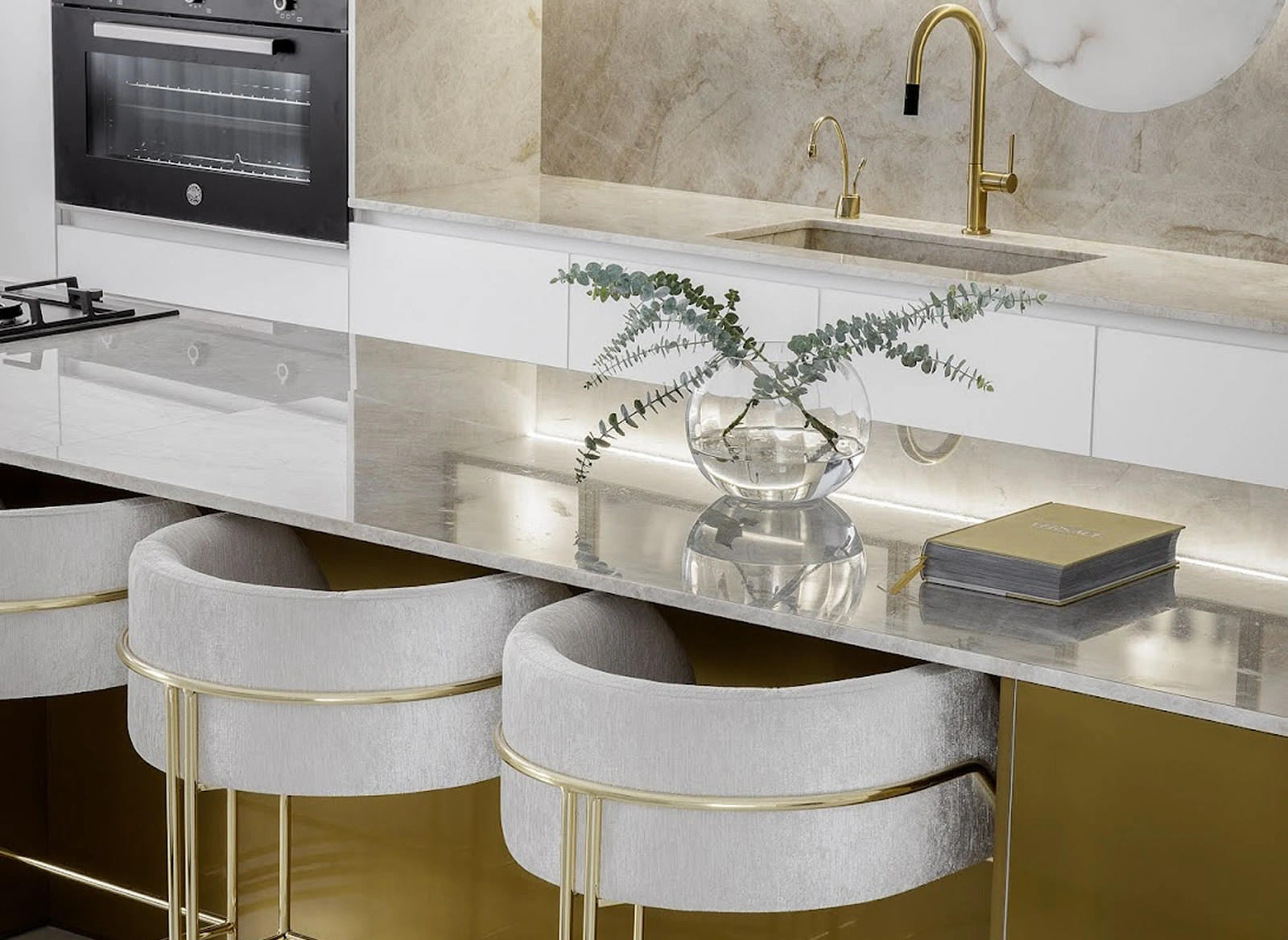
Metal finishes on solid metals at Modulux are decorative finishes for existing or already fabricated metal pieces: darkening, brushing, patina, polishing, texture, aging, or a protective layer selected according to the metal and to the role of the element in the project.
This is not a coating meant to imitate metal. It is direct work on the metal itself. A brass, bronze, copper, steel, aluminum, zinc, or Corten piece can become darker, warmer, more polished, more brushed, more aged, more patinated, or more protected while keeping the character of the base material.
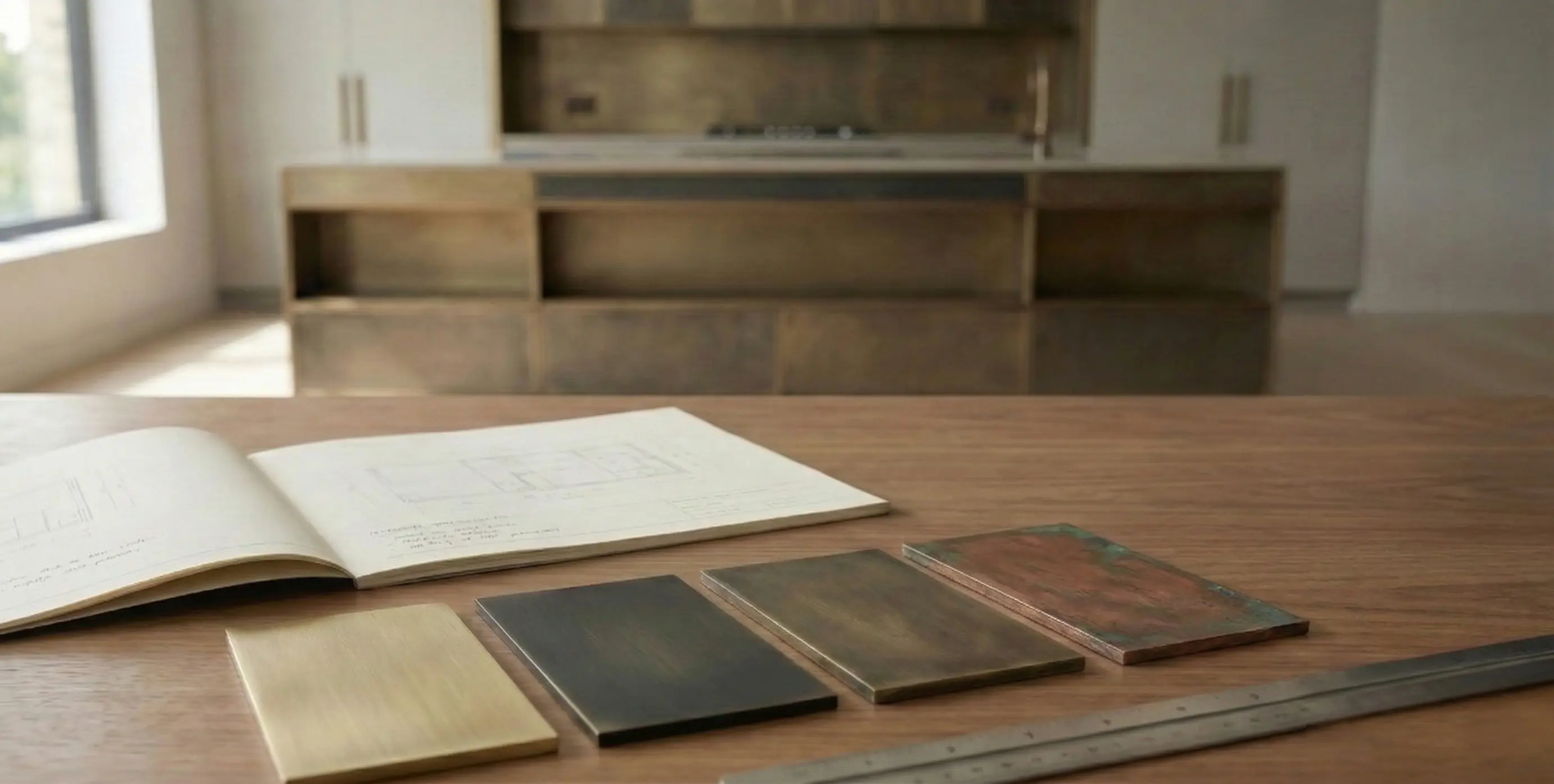
The finish is developed through preparation, controlled sanding, brushing, polishing, texturing, chemical patina, oxidation, darkening, stabilization, and sealer or lacquer where the selected system calls for it. When a more protected finish is required, a ceramic lacquer or another protective layer may also be reviewed according to the metal, touch level, exposure, and maintenance expectations. Finish selection can begin with the finish catalogue, the Modulux digital catalogue, or an ordered sample when the project requires one.

Solid metal finishing is used when the client, designer, or fabricator brings an element that is already made from real metal, and the visible surface needs a richer, more refined decorative finish than the metal has after fabrication.
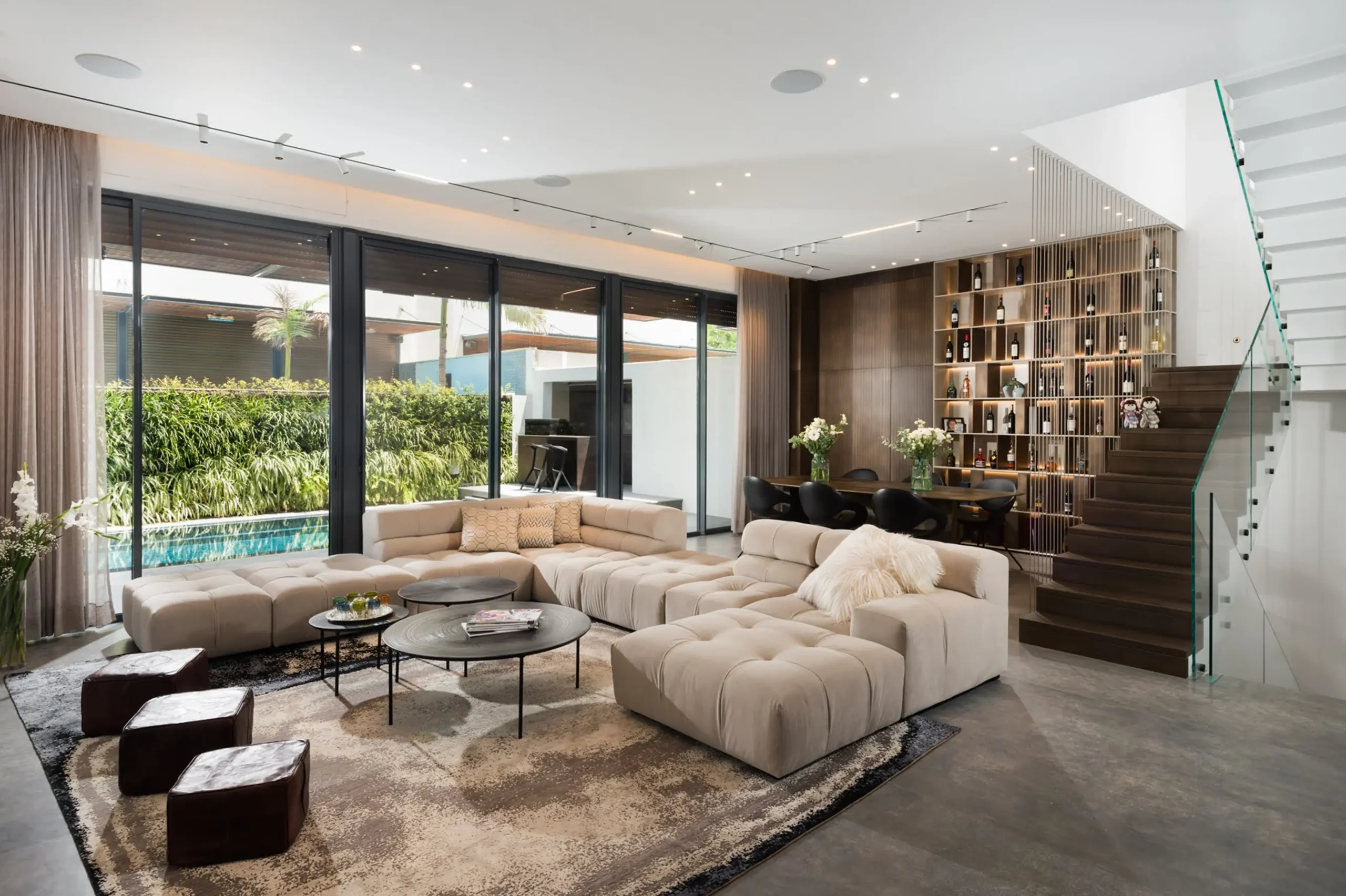
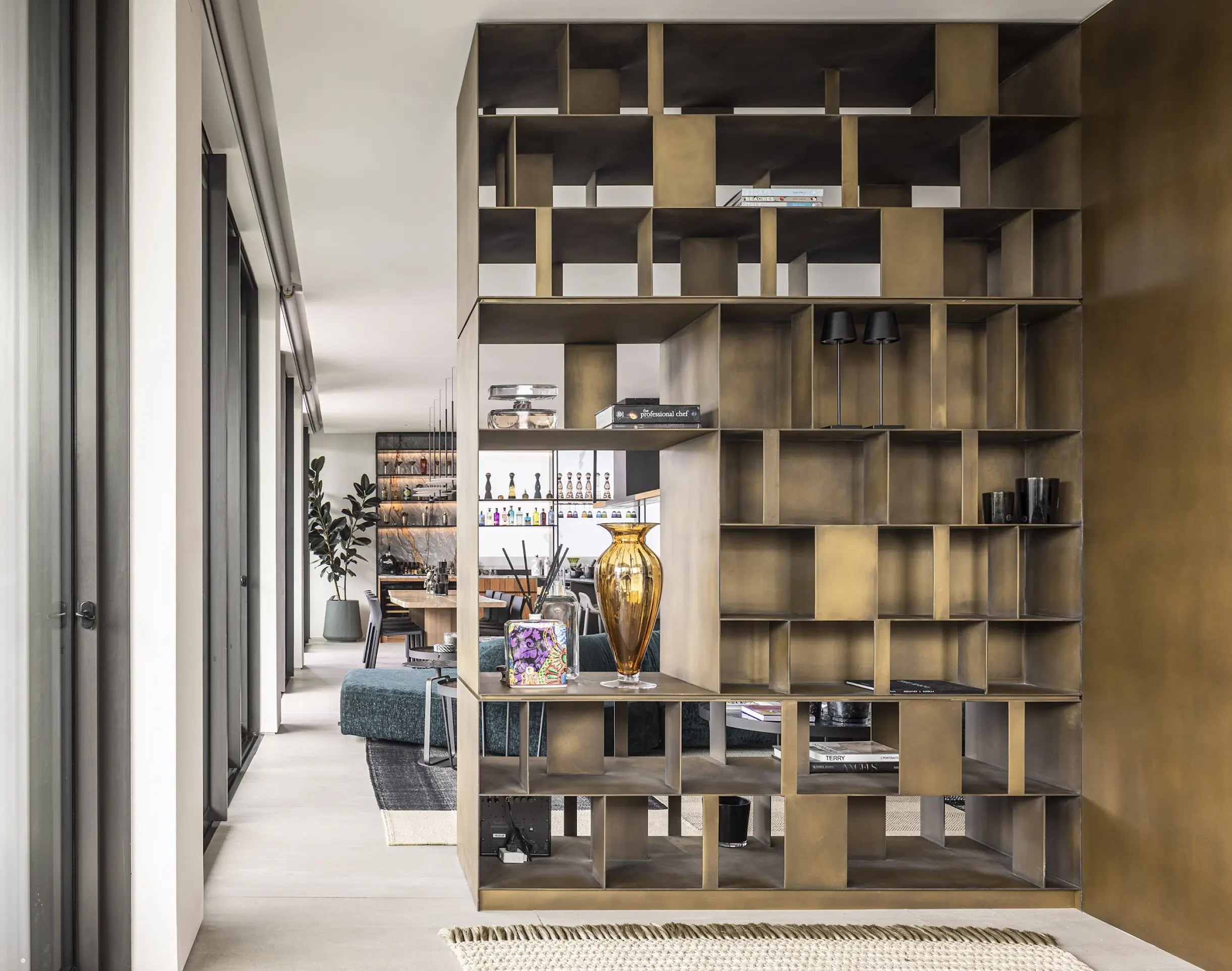
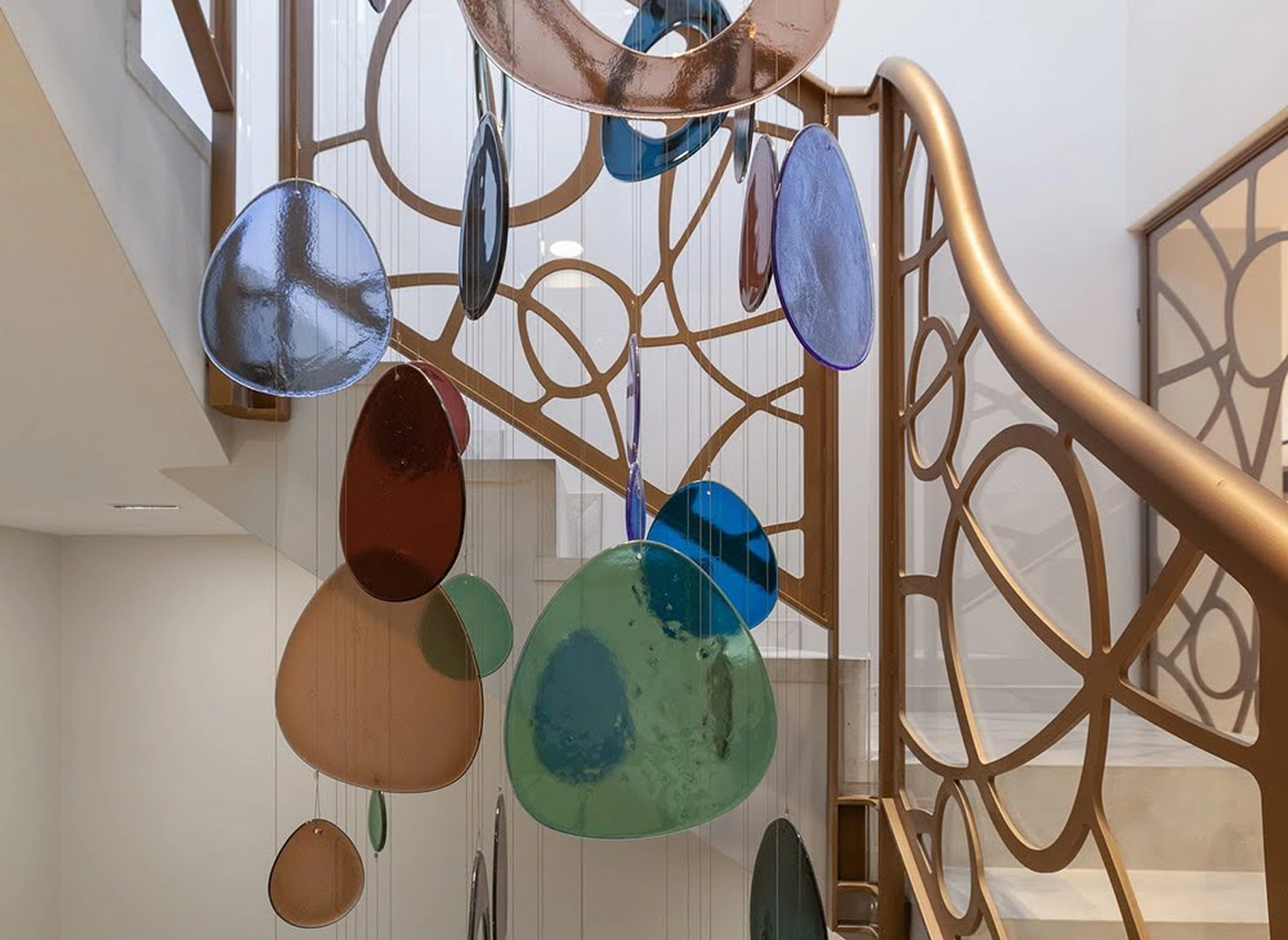
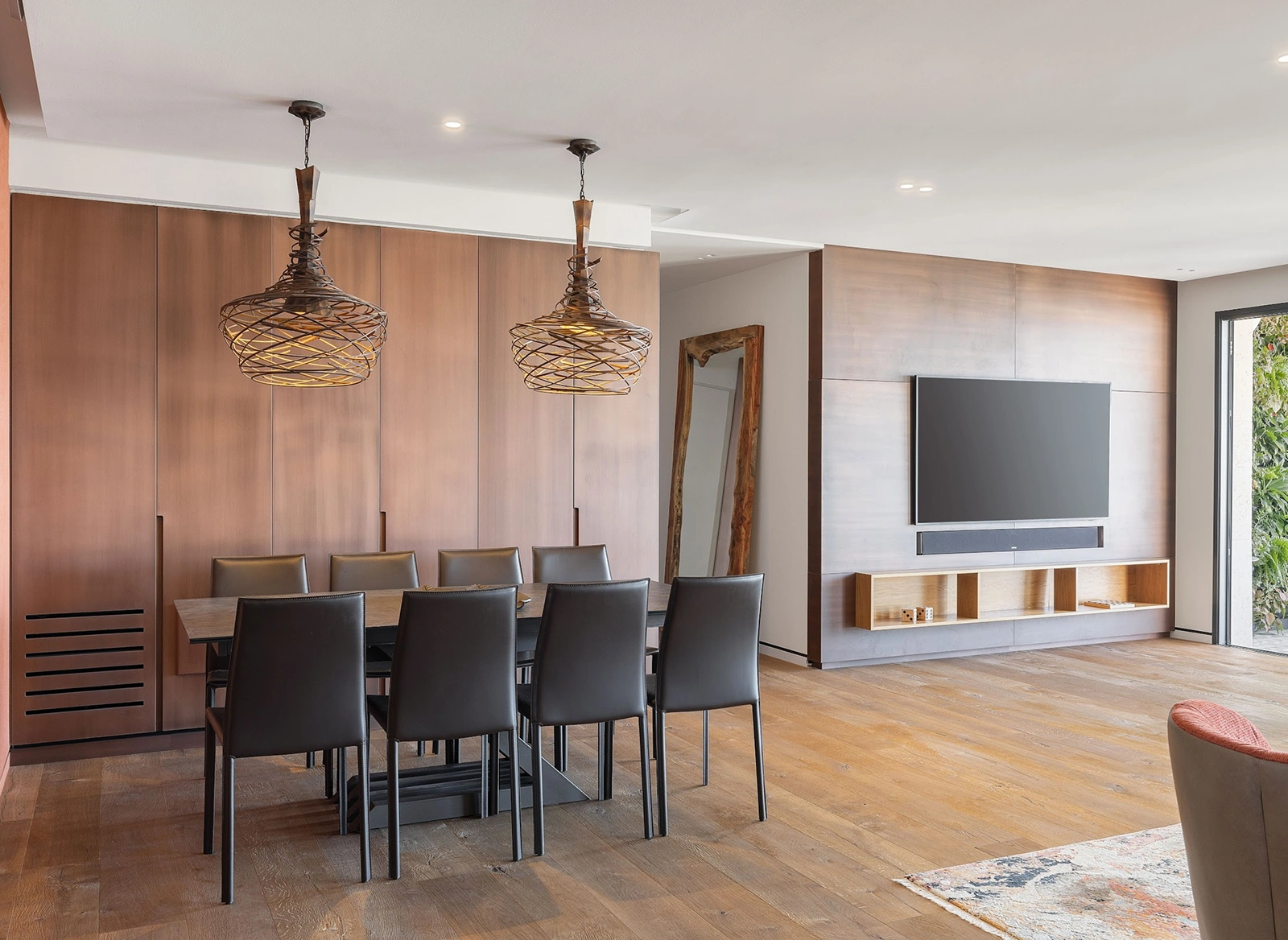
It can be reviewed for doors, frames, portals, staircases, handrails, balustrades, furniture, coffee tables, lighting elements, cabinetry, metal fronts, wall panels, architectural details, facades, and exterior metal elements. The right finish is selected according to the actual metal, the desired appearance, touch level, cleaning routine, exposure, and selected reference.
For solid metal doors, portals, frames, and entrance elements, finishing can define the entire architectural impression: darker, warmer, brighter, aged, brushed, polished, stabilized, or more textural.
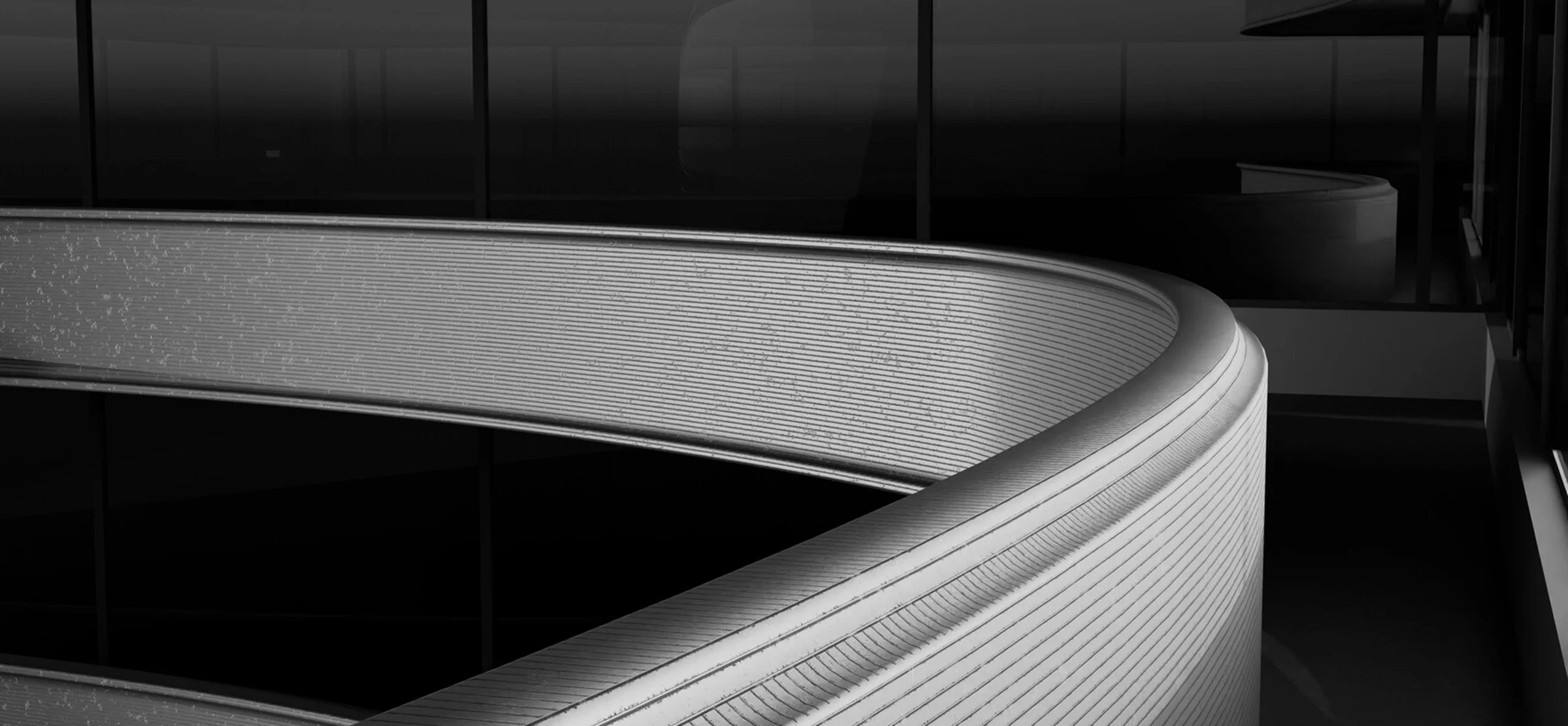
For staircases, handrails, balustrades, and public-touch details, the finish must be reviewed according to the metal, contact level, cleaning expectations, protection approach, and an ordered sample when required.
Solid metal finishing fits projects where the piece is already solid metal and the question is not how to imitate metal, but which decorative finish should be applied to the existing metal. A brass piece may need deep darkening, a coffee table may need polishing and lacquer, a frame may need precise brushing, and an architectural detail may need patina that gives it a more luxurious presence.
Modulux treats the visible surface as part of design and execution. The metal family, fabrication condition, welds and edges, surface marks, intended use, lighting, touch level, cleaning expectations, and whether a sealer, lacquer, ceramic lacquer, or another clear protective finish should be considered are reviewed.
The strongest result usually begins before the visible finish appears: preparation, selection through the finish catalogue, the Modulux digital catalogue, or an ordered sample, finish sequencing, and a clear understanding of how the metal should belong in the project.
Solid metal finishing starts with an understanding of the base material. Brass does not behave like aluminum. Bronze does not age like mild steel. Corten, zinc, copper, and prepared architectural metals each need their own review before a finish type is chosen.
The preparation stage defines what is possible. Surface marks, edges, fabrication quality, brushing direction, oxidation, patina response, stabilization, and protection are checked before production. A project-specific ordered sample can become a shared reference, but it is not a promise that every surface will behave identically.
The work starts from an existing solid metal component, so the finish develops from the real metal surface rather than from a coating meant to simulate it.
The surface can be guided toward a specific tone, reflectivity, texture, brushing character, patina, or darkening direction according to the project, the finish catalogue, the Modulux digital catalogue, or an ordered sample.
Sanding, brushing, polishing, texturing, oxidation, patina work, and stabilization depend on careful preparation and sequence, not only on the final visible pass.
The finish catalogue, the Modulux digital catalogue, or an ordered sample creates a shared reference between the architect, designer, client, and workshop around the intended finish type before production decisions are made.
Where relevant, a sealer, lacquer, or clear protective finish may be reviewed according to the metal, finish type, exposure, touch level, and expected cleaning routine.
Choosing a finish for solid metal begins with the component itself. What metal is it? How was it fabricated? Where will it be installed? Will people touch it often? Will it be cleaned frequently? Is the intent warm, dark, aged, refined, brushed, polished, textured, or visibly patinated?
From there, the practical finish path is reviewed: preparation, sanding level, brushing direction, polish level, chemical patina, oxidation, darkening, stabilization, and whether the surface should receive a sealer, lacquer, or clear protective finish.
The goal is not to force every metal to look the same. The goal is to bring the metal surface to the right appearance for the project: more luxurious, more precise, deeper, or more artistic, with enough control for the finish to suit the element itself.
They are decorative finishes applied to the visible surface of existing or already fabricated solid metal pieces. The work starts from the actual metal substrate and develops tone, sheen, texture, brushing, patina, darkening, polishing, and protection approach according to the project.
Approved public copy can refer to copper, brass, bronze, mild steel, aluminum, zinc, and Corten. Stainless steel, specialty alloys, or other metals require separate confirmation before they are used in public copy or specification.
The finish type can include controlled sanding, brushing, polishing, texturing, chemical patina, oxidation, darkening, aging, stabilization, and sealer, lacquer, ceramic lacquer, or another clear protective finish where the selected system calls for it.
Exterior, facade, handrail, high-touch, and public-space elements require review before recommendation. Suitability depends on the metal, preparation, finish type, protection approach, maintenance expectations, exposure conditions, and an ordered sample when required.
Cleaning and maintenance expectations should be confirmed before production. General maintenance language can refer to a soft cloth and non-abrasive, neutral cleaning materials unless the approved system states otherwise.
Talk to Modulux about solid metal finishing. Send the metal type, element type, dimensions, use conditions, exposure, touch level, and the finish type you are considering, and the team will review the right working method for the surface.
WhatsApp us